

Gin Cello: What It Is, What It Means, and Why It’s Growing in Popularity
In the evolving world of modern spirits, drinkers are increasingly drawn to products that offer flavour, balance, and versatility without overwhelming strength. One term that has been appearing more frequently in searches, menus, and conversations is Gin Cello.
At first glance, Gin Cello may seem unfamiliar or even confusing. Is it gin? Is it a liqueur? Is it related to limoncello? And why does it appear under so many different spellings?
This article explains exactly what Gin Cello is, what people mean when they use the term, how it relates to Ginocello, and why this style of drink is becoming a popular choice in England and beyond.
What Is Gin Cello?
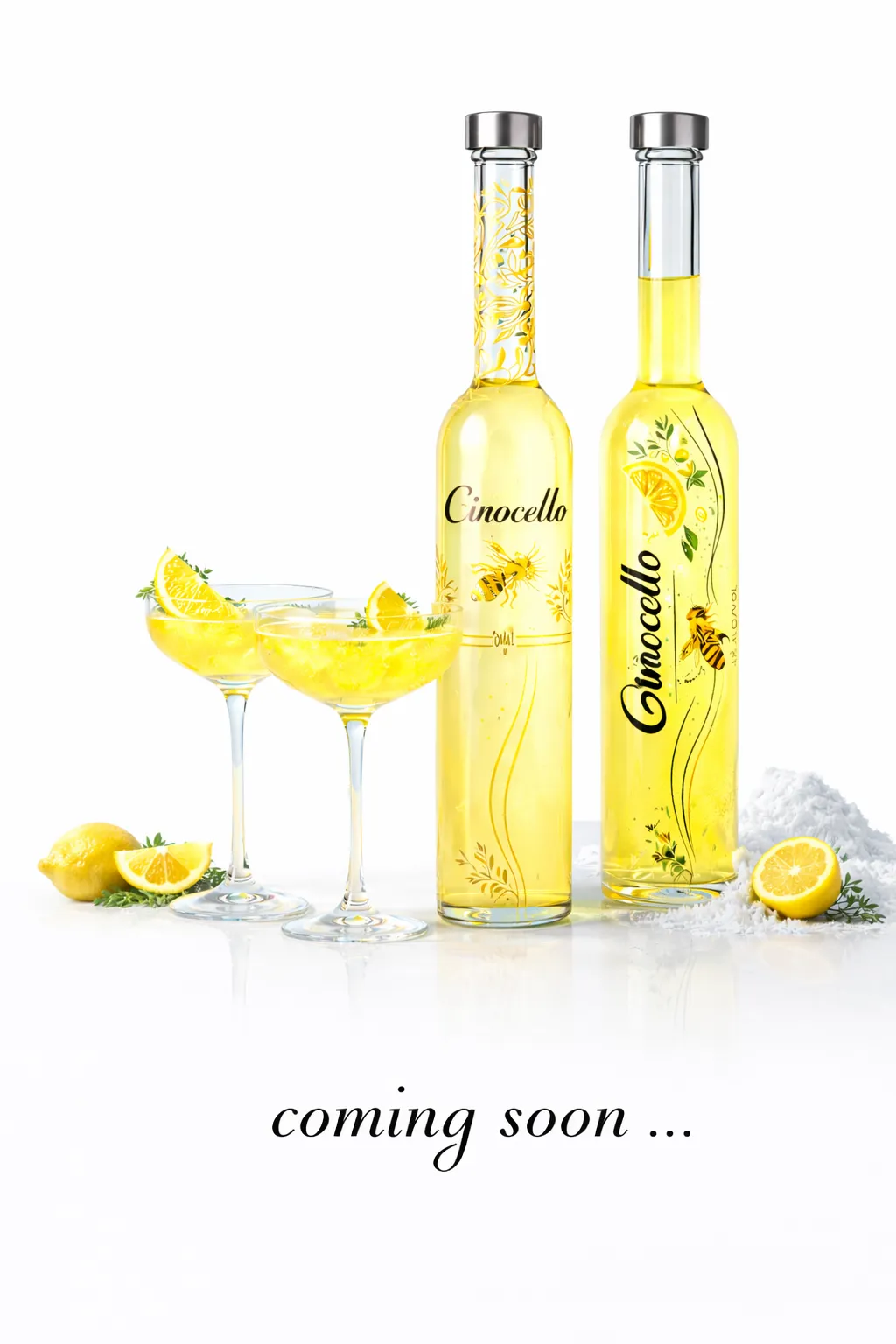
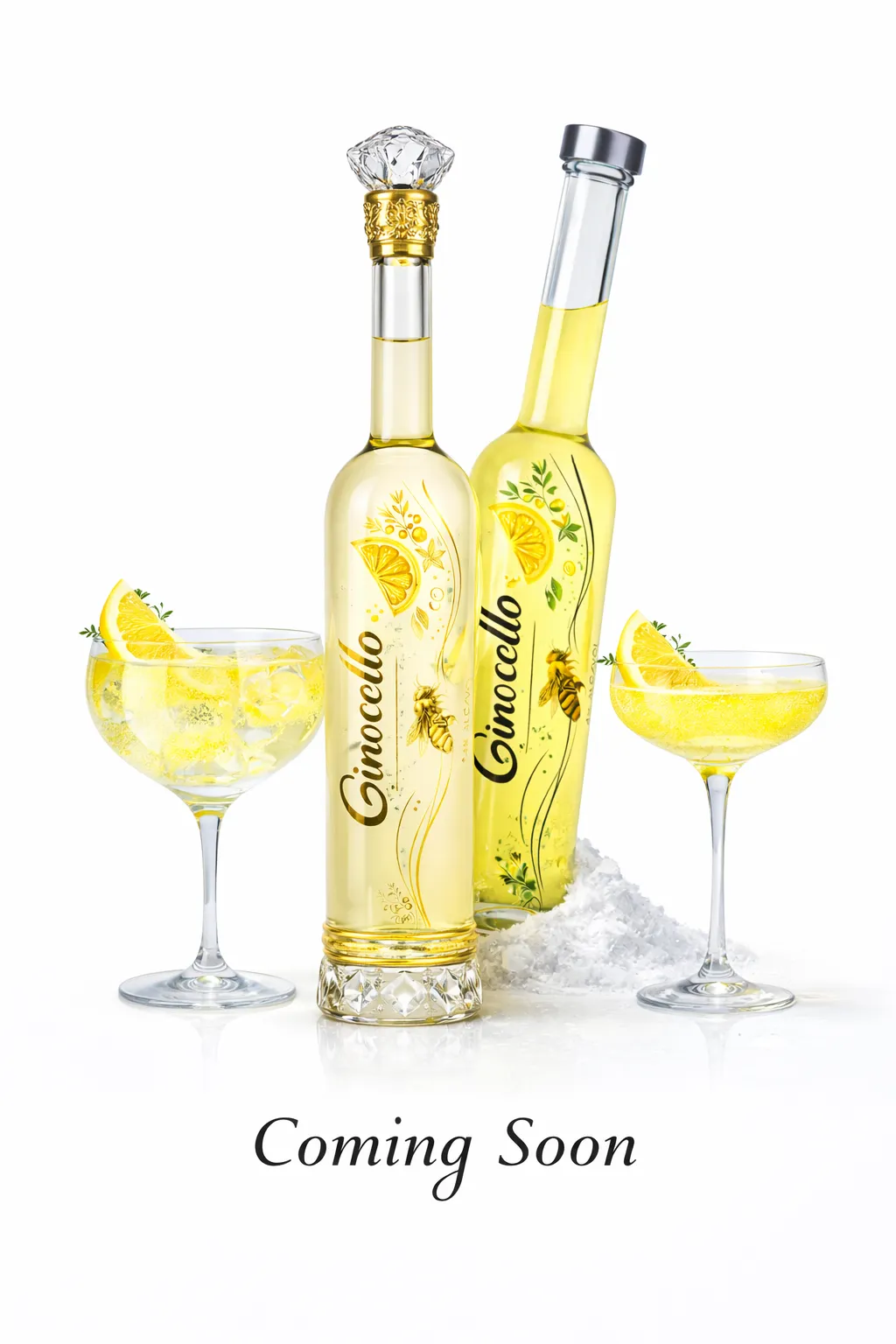
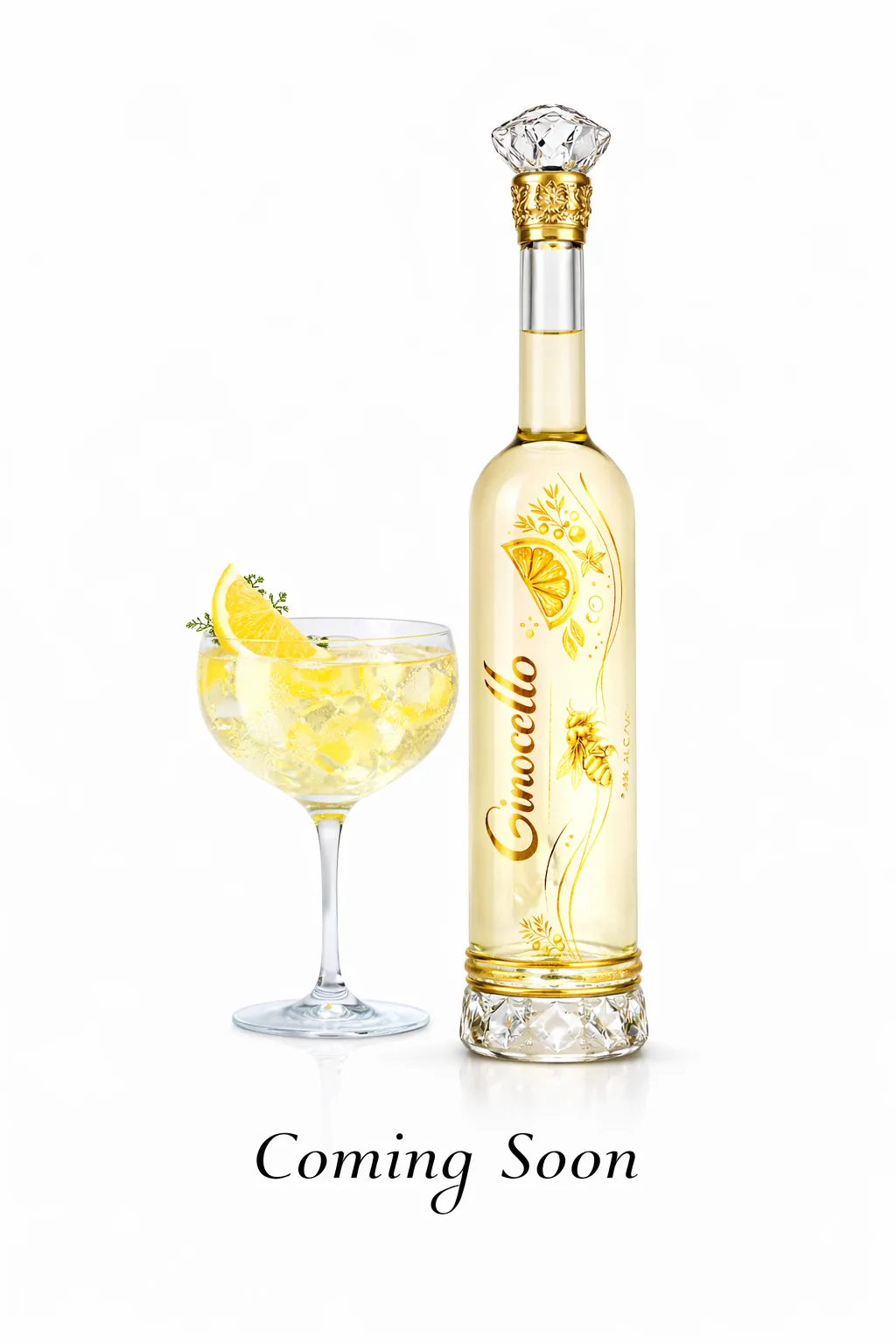
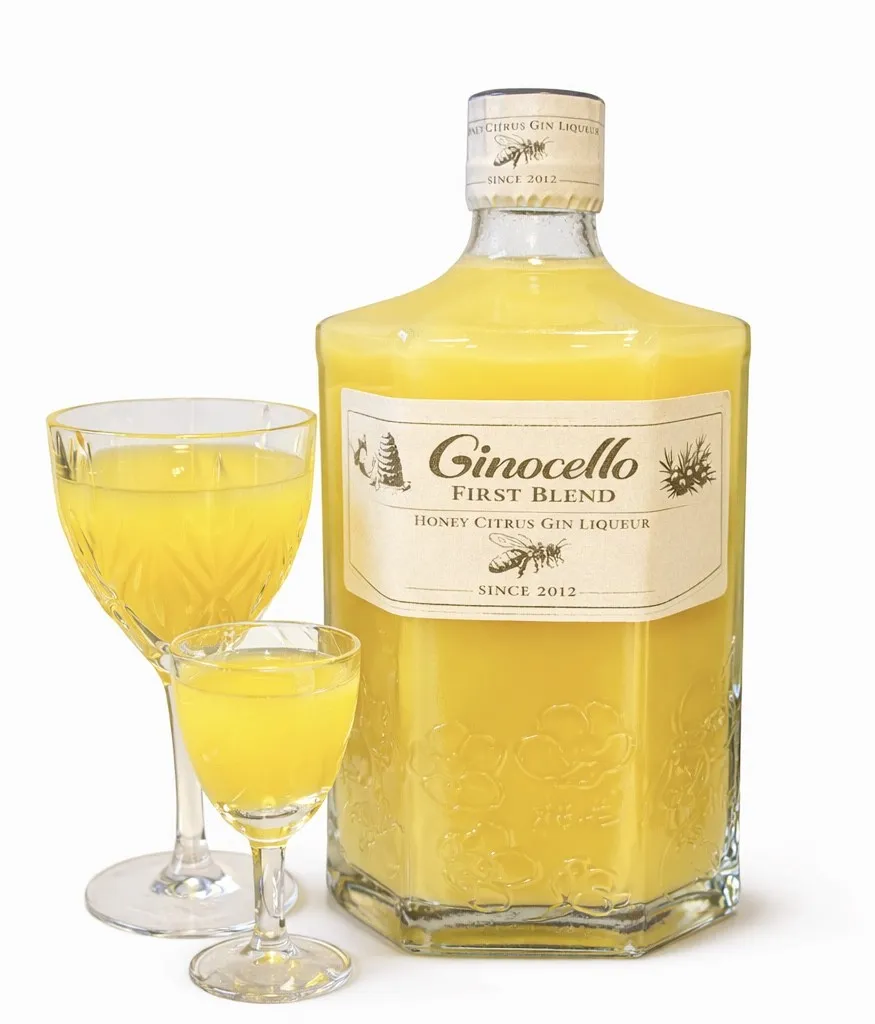
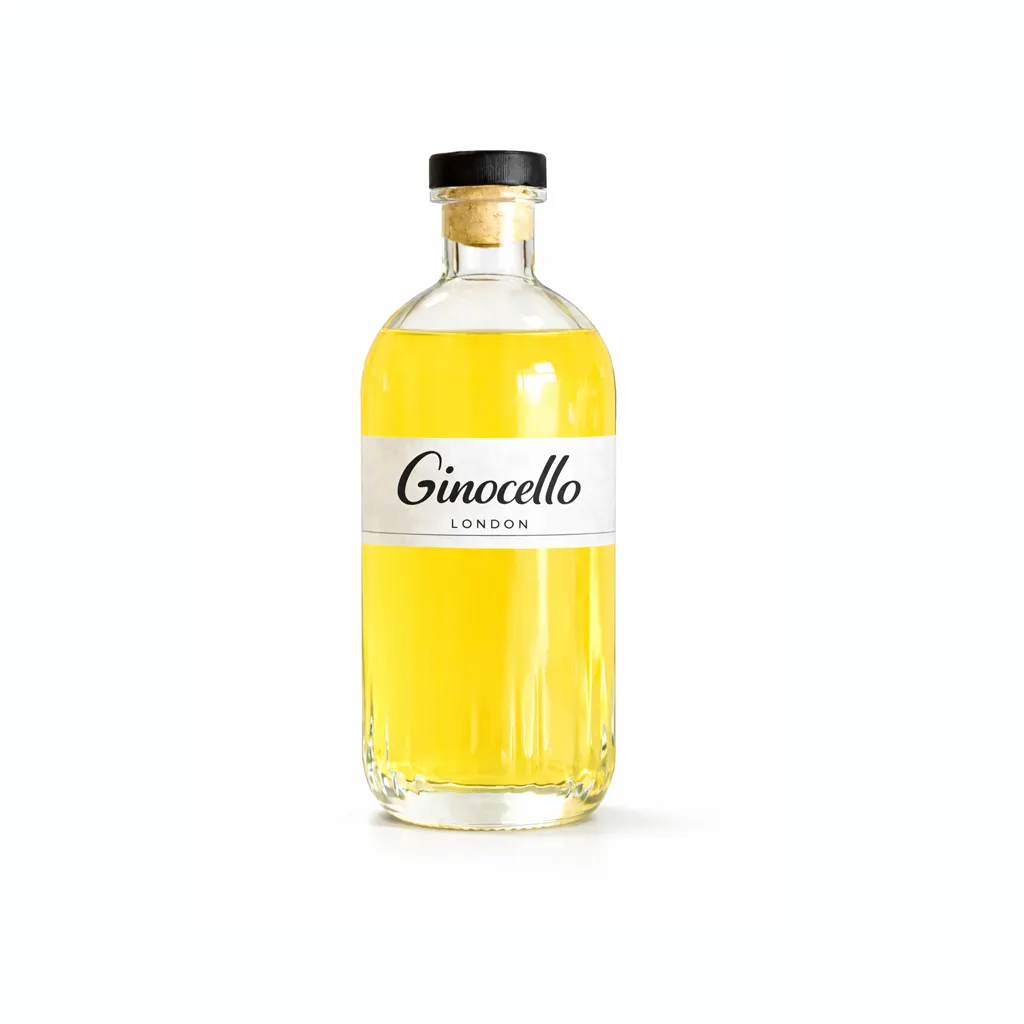
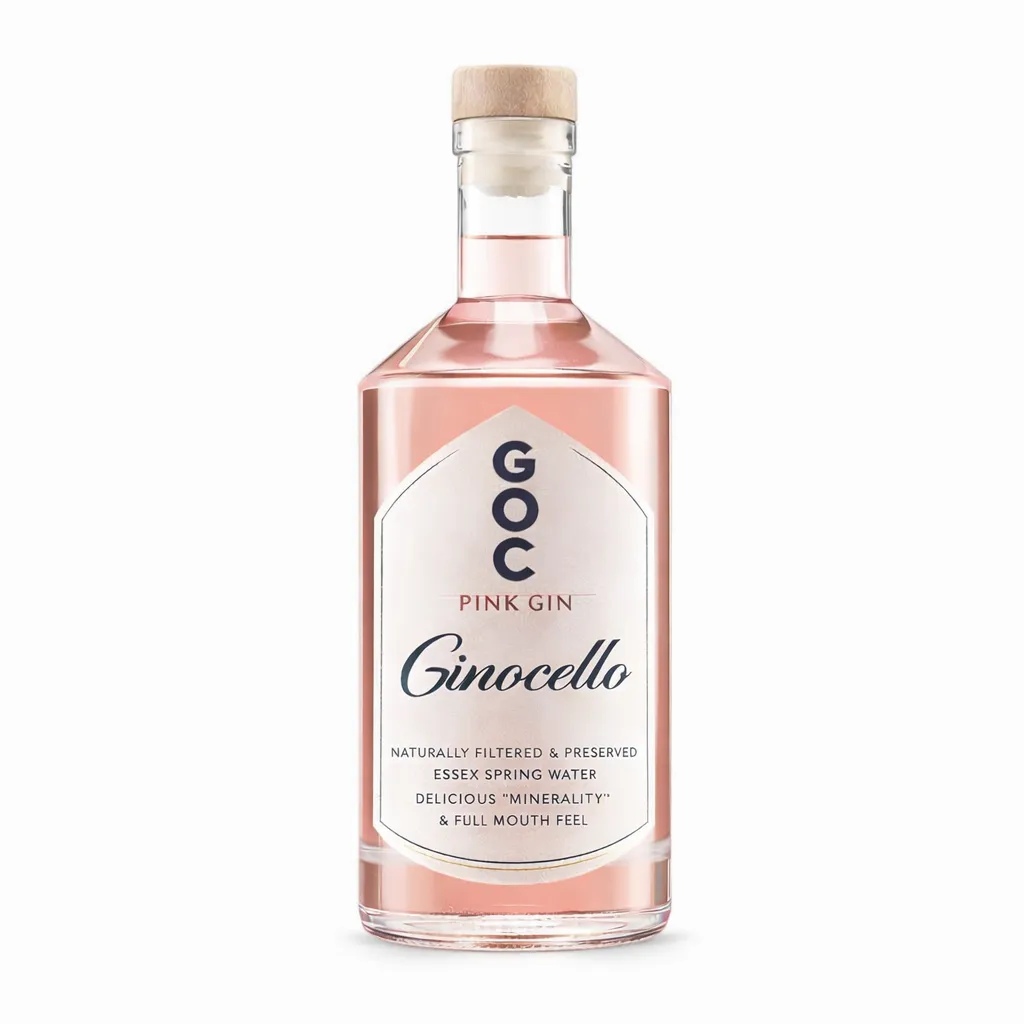
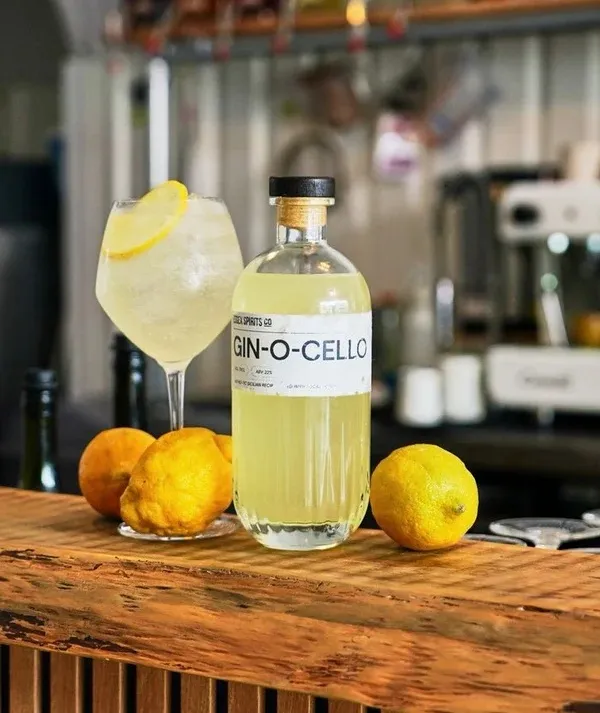
Gin Cello is a commonly used spelling and search term for Ginocello, a gin-based citrus liqueur.
Rather than being a completely separate drink, Gin Cello refers to a style of spirit that blends:
-
The botanical structure of gin
-
Bright citrus flavours (typically lemon and orange)
-
Gentle sweetness
-
A lower alcohol content than traditional gin
The result is a smooth, aromatic drink that sits between gin, flavoured liqueurs, and aperitif-style spirits.
In simple terms, Gin Cello is Ginocello, just written differently.
Why Do People Call It Gin Cello?
The name Gin Cello comes primarily from spoken language.
When the word Ginocello is spoken aloud, it naturally sounds like:
-
Gin Cello
-
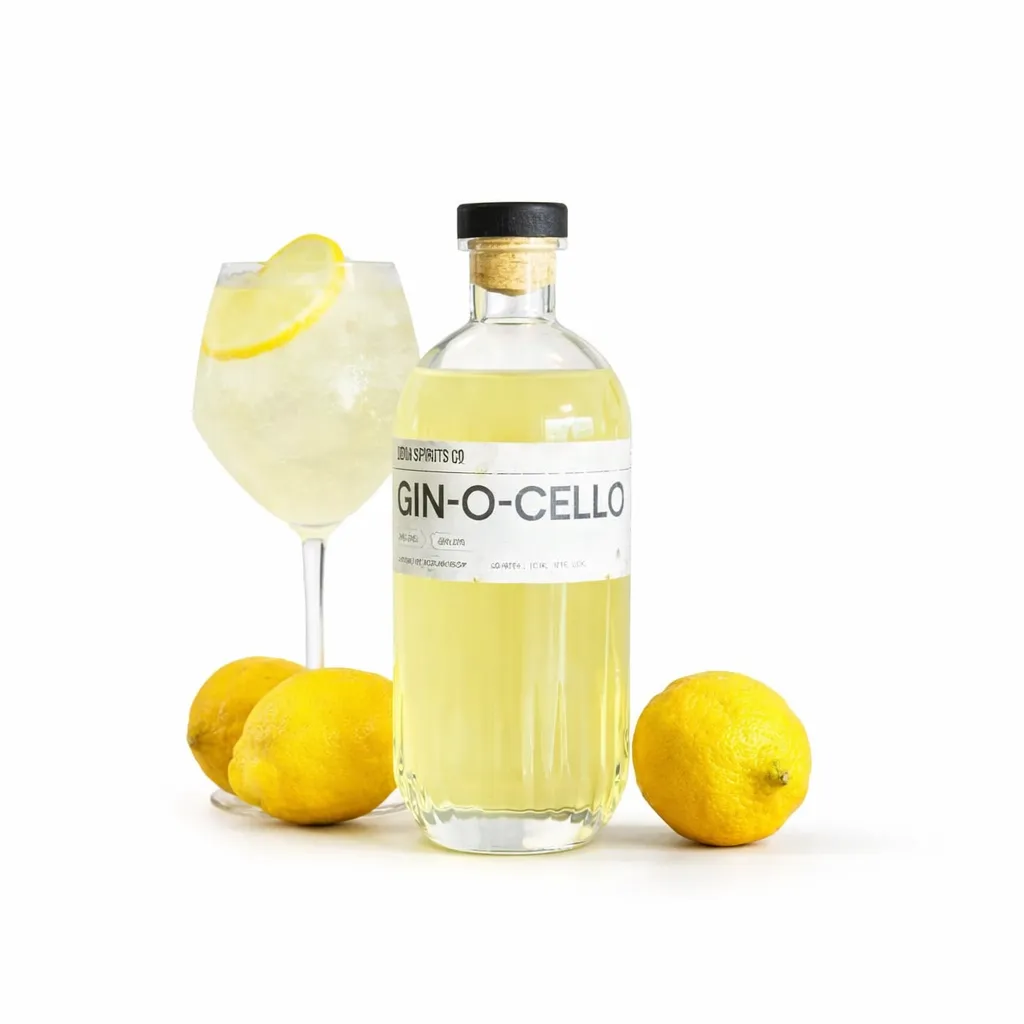
Gin-O-Cello
-
Gin on cello
Because many people first hear the name rather than see it written, they often search for Gin Cello online. Over time, this spelling has become a recognised and commonly used variation.
Importantly, Gin Cello is not a different category or product. It is simply an alternative spelling that points to the same drink.
Gin Cello vs Ginocello: Is There a Difference?
There is no difference in the drink itself.
| Term | Meaning |
|---|---|
| Ginocello | The primary and correct product name |
| Gin Cello | A spaced spelling based on pronunciation |
| Gin-O-Cello | A phonetic version |
| Gincello | A simplified spelling |
| Ginoncello / Ginorcello | Common misspellings |
All of these terms refer to the same gin-based citrus liqueur.
For clarity and consistency, most brands use Ginocello as the official name while recognising Gin Cello as a common search term.
What Makes Gin Cello Different from Gin?
Traditional gin is typically:
-
Dry and juniper-forward
-
Bottled at a higher strength (37.5–45% ABV)
-
Designed mainly for mixing
Gin Cello, by contrast, is designed to be:
-
Softer and smoother
-
Lower in alcohol (often around 18–25% ABV)
-
Citrus-led
-
Easy to sip or lightly mix
While gin prioritises dryness and botanical sharpness, Gin Cello focuses on balance and approachability.
Is Gin Cello the Same as Limoncello?
Despite the similarity in name, Gin Cello is not the same as limoncello.
-
Limoncello is made using neutral spirit, lemon peel, sugar, and water
-
Gin Cello includes gin botanicals, most importantly juniper
Those botanicals give Gin Cello structure and complexity, ensuring it still tastes like a gin-based spirit rather than a simple citrus liqueur.
In short:
-
Limoncello = citrus liqueur
-
Gin Cello = citrus gin liqueur
The Botanical Foundation of Gin Cello
The defining feature of Gin Cello is its botanical base. While recipes vary, many include:
-
Juniper berries
-
Coriander seed
-
Angelica root
-
Lemon and orange peel
-
Floral notes
-
Tea or spice elements
This botanical profile gives Gin Cello depth while allowing citrus flavours to remain at the forefront.
How Gin Cello Is Made
Although production methods differ between producers, the general process includes:
1. Base Spirit
A gin or British grain spirit infused with classic gin botanicals.
2. Citrus Infusion
Fresh citrus peels are macerated to extract essential oils and natural flavour.
3. Sweetening
Natural sweeteners such as honey or sugar are added to balance acidity and bitterness.
4. Resting
The spirit is rested so flavours can integrate smoothly.
5. Bottling
The finished product is bottled at a lower ABV for balance and drinkability.
The result is a refined, aromatic spirit with a smooth finish.
Alcohol Content and Drinking Style
Most Gin Cello products fall between:
-
18% and 25% ABV
This places Gin Cello:
-
Stronger than wine or prosecco
-
Lighter than traditional gin
This moderate alcohol level makes Gin Cello suitable for longer serves, social occasions, and early-evening drinking.
How to Drink Gin Cello
One of the main reasons Gin Cello is growing in popularity is its versatility.
Chilled or Over Ice
Served cold, it highlights citrus freshness and botanical notes.
Gin Cello Spritz
A popular modern serve:
-
Gin Cello
-
Sparkling wine or prosecco
-
Soda water
-
Citrus garnish
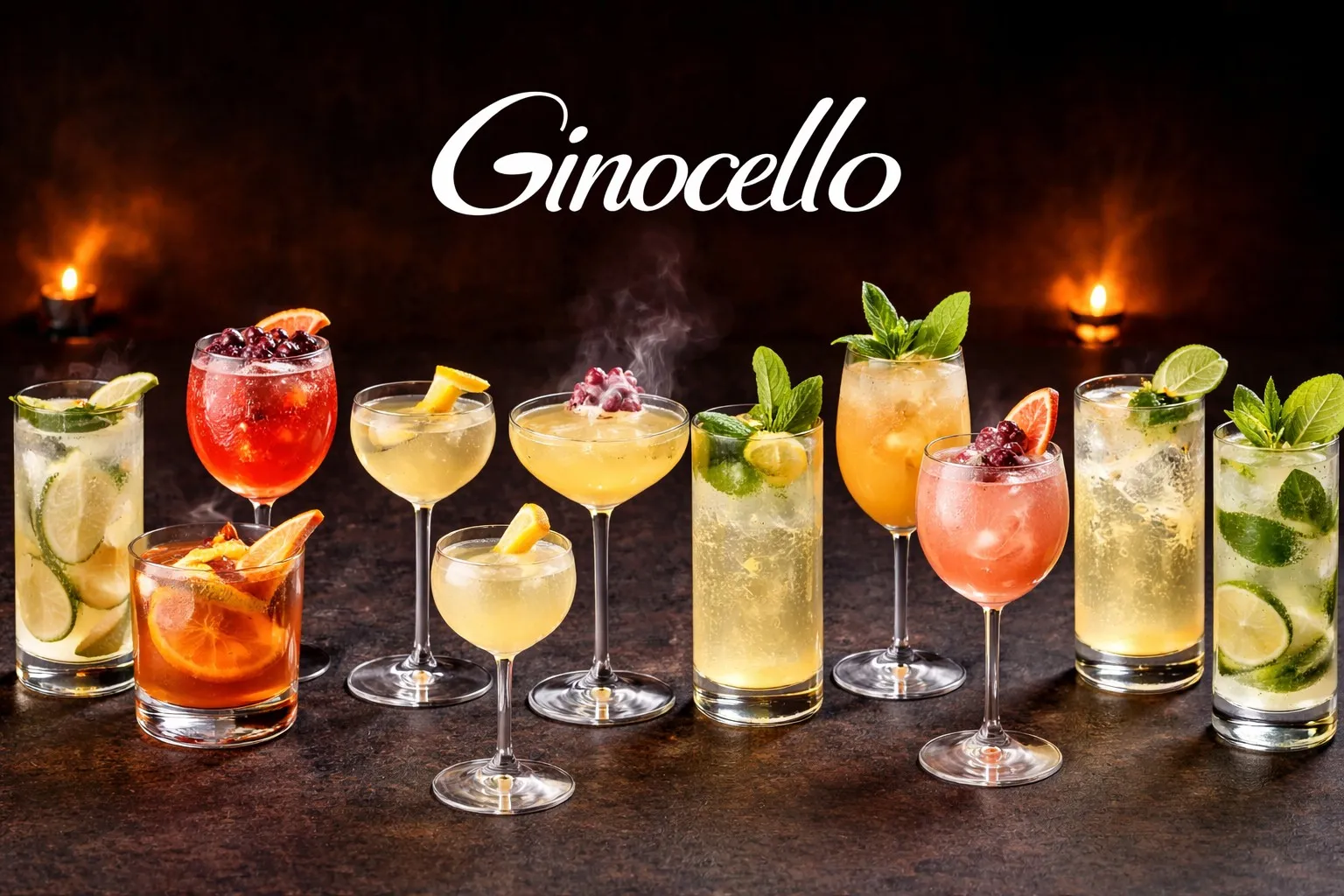
Cocktails
Gin Cello works well in:
-
Citrus sours
-
Light martini variations
-
Collins-style drinks
Food Pairing
Pairs well with:
-
Light desserts
-
Cheese boards
-
Fresh, summery dishes
Is Gin Cello an Aperitif?
Yes. Gin Cello functions very well as an aperitif-style drink.
Its citrus brightness stimulates the palate, while the botanicals add interest without heaviness. This makes it ideal before meals or as a relaxed pre-dinner drink.
Why Gin Cello Is Growing in Popularity
Several trends are driving interest in Gin Cello:
-
Demand for lower-ABV spirits
-
Preference for flavour-forward drinks
-
Growth of spritz-style serves
-
Desire for versatile, social drinks
Gin Cello fits naturally into modern drinking habits, especially in England.
Gin Cello in England
In England, consumers increasingly favour drinks that are:
-
Approachable
-
Balanced
-
Suitable for a range of occasions
Gin Cello appeals to both gin drinkers and those looking for something softer and more relaxed, making it well suited to contemporary tastes.
Branding, Search & Spelling Variations
Because Gin Cello is often discovered through conversation, spelling variations are inevitable. Clear messaging helps guide consumers to the correct product and avoid confusion.
Best practice is to:
-
Use Ginocello as the primary name
-
Acknowledge Gin Cello as a recognised variant
This approach improves clarity and search visibility.
Is Gin Cello a Premium Product?
Most Gin Cello products are positioned as premium but accessible.
Quality indicators often include:
-
Natural ingredients
-
Botanical complexity
-
Thoughtful production
-
Elegant packaging
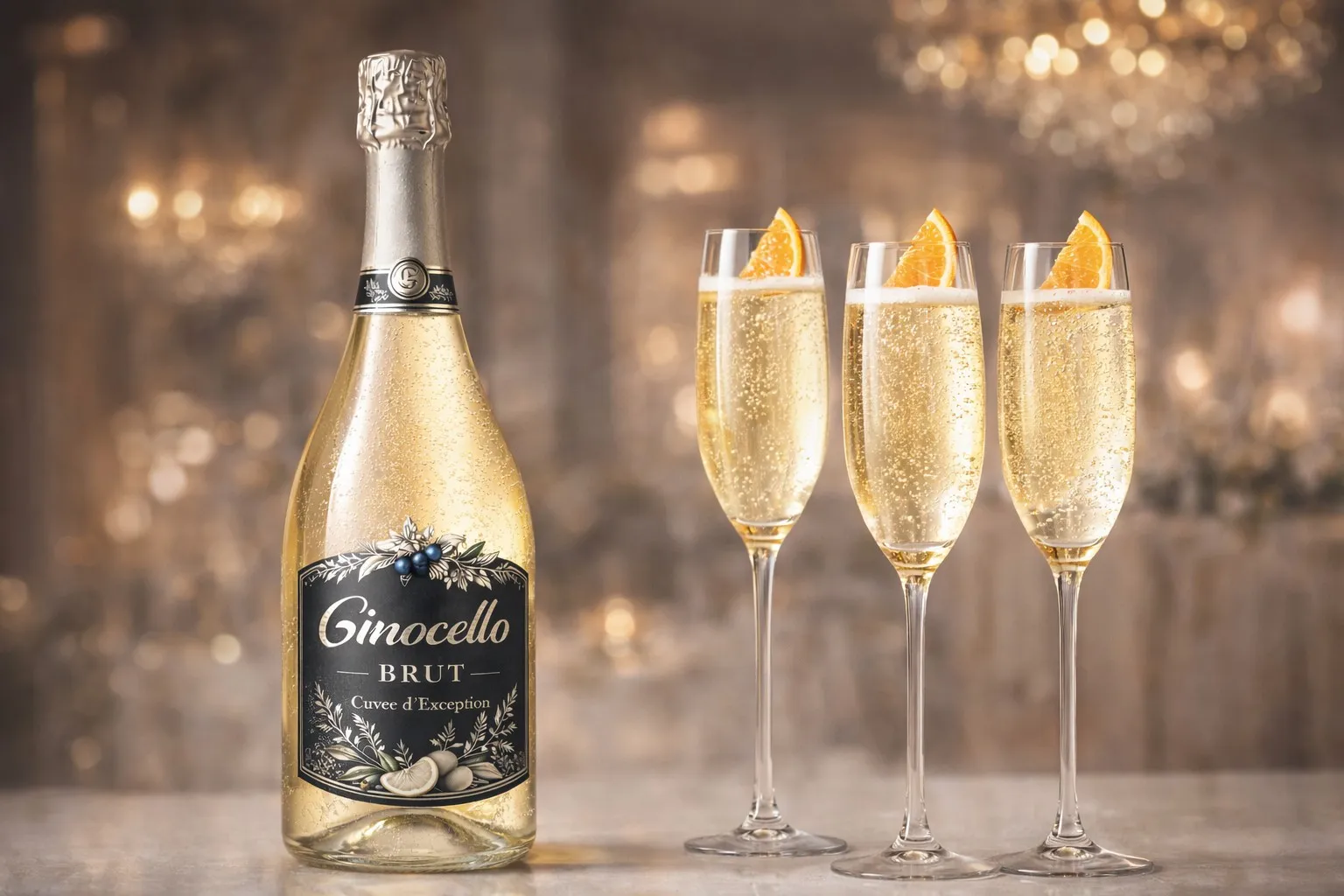
This makes Gin Cello suitable for gifting, celebrations, and hospitality settings.
The Future of Gin Cello
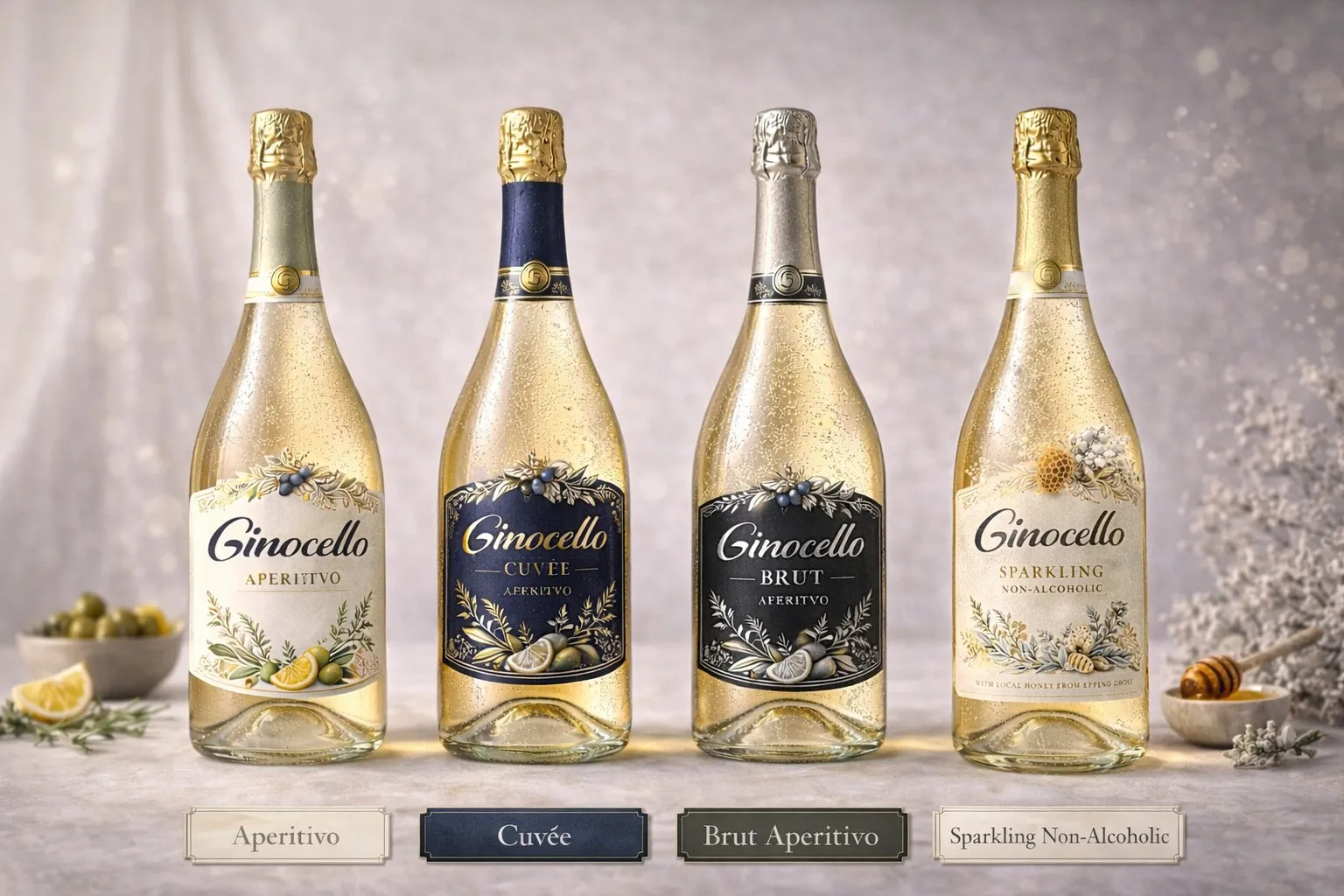
As the category matures, Gin Cello is likely to expand into:
-
Sparkling versions
-
New citrus and botanical combinations
-
Wider retail and on-trade presence
Search interest suggests Gin Cello is more than a passing trend.
Final Thoughts: What Gin Cello Really Is
To be clear:
-
Gin Cello is Ginocello
-
The difference is spelling, not substance
-
Both refer to the same gin-based citrus liqueur
Gin Cello represents a modern approach to gin drinking — lighter, brighter, and designed for enjoyment across a range of occasions.
Whether discovered on a menu, in conversation, or through search, Gin Cello offers a smooth, flavour-led alternative for today’s drinker.