
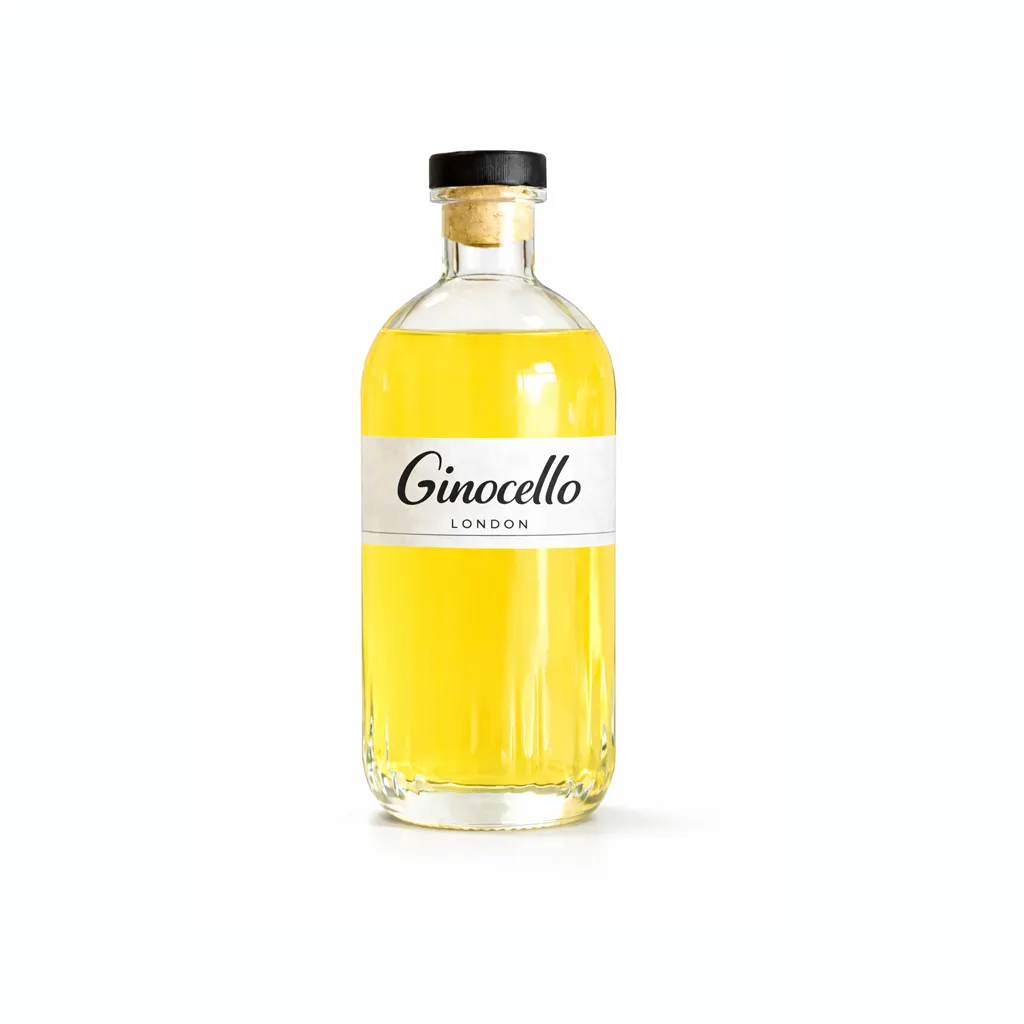
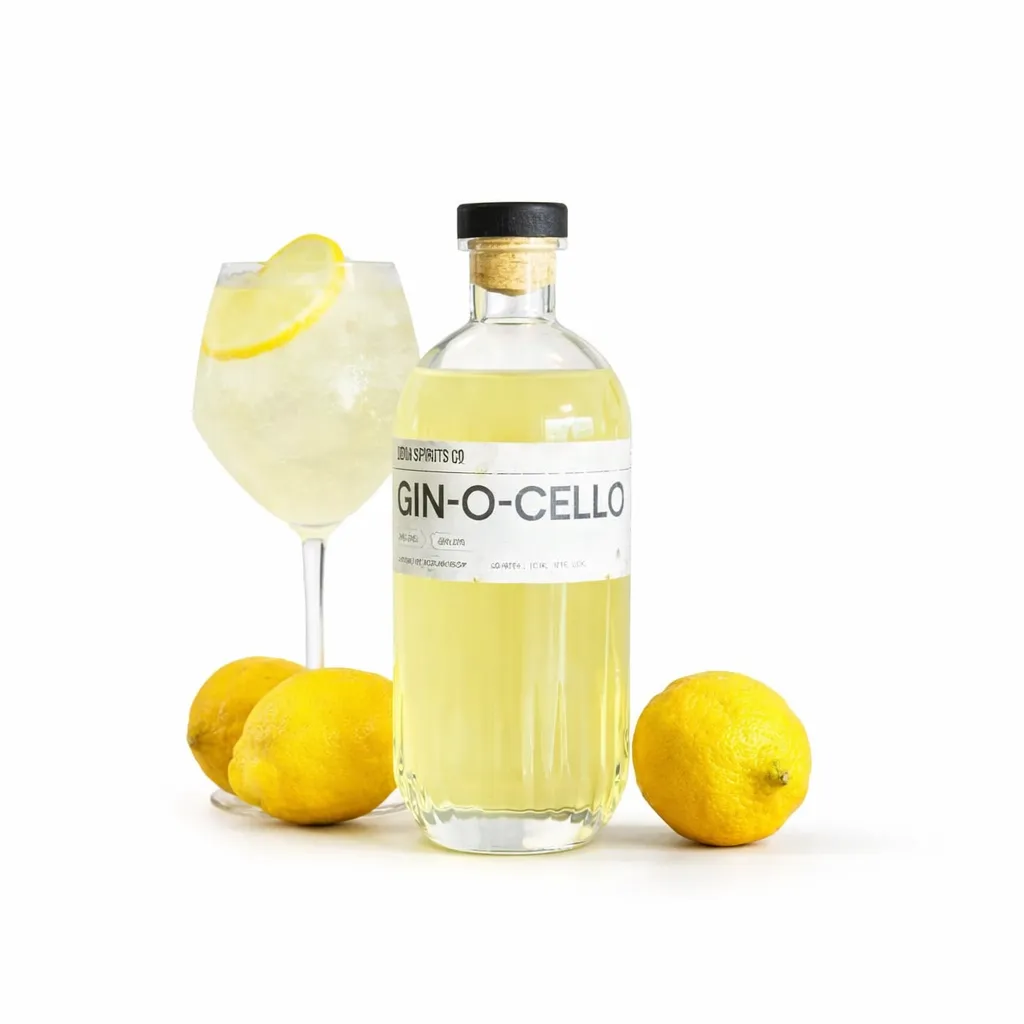
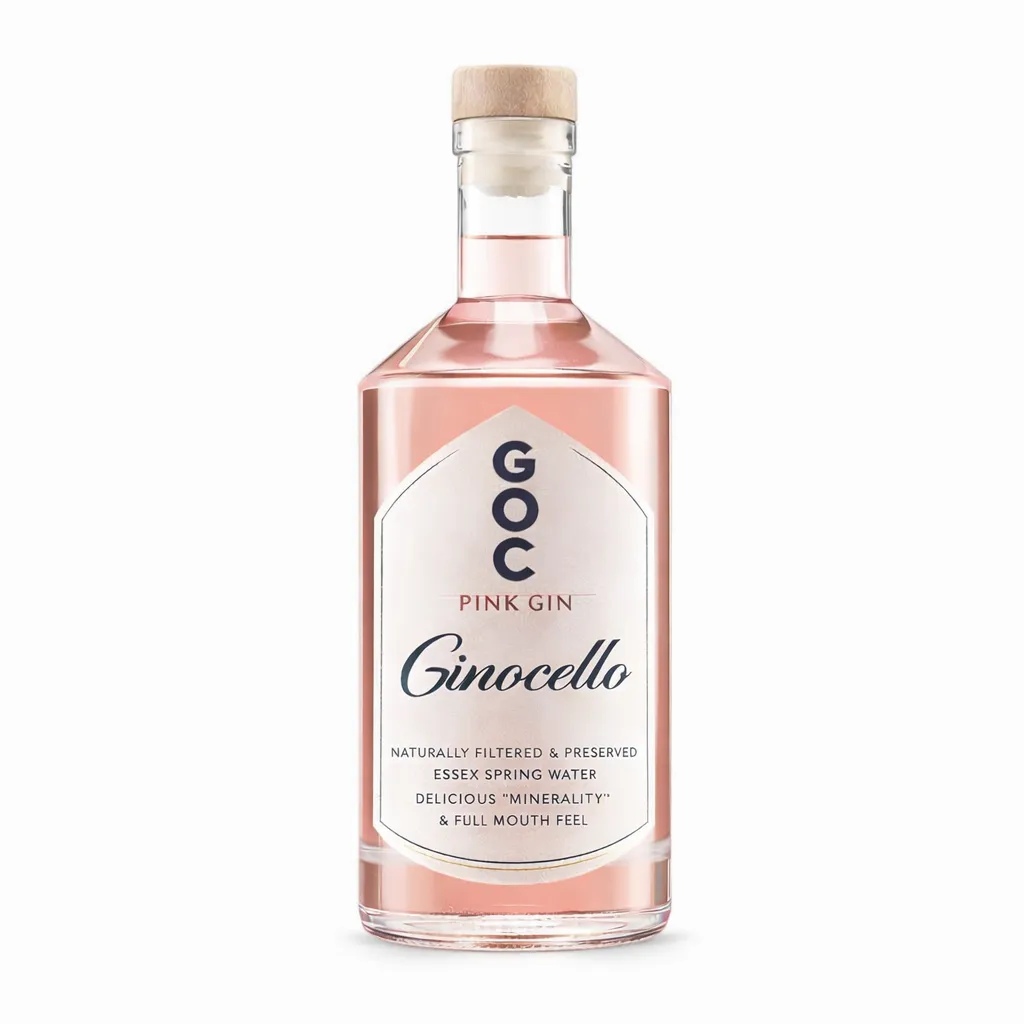

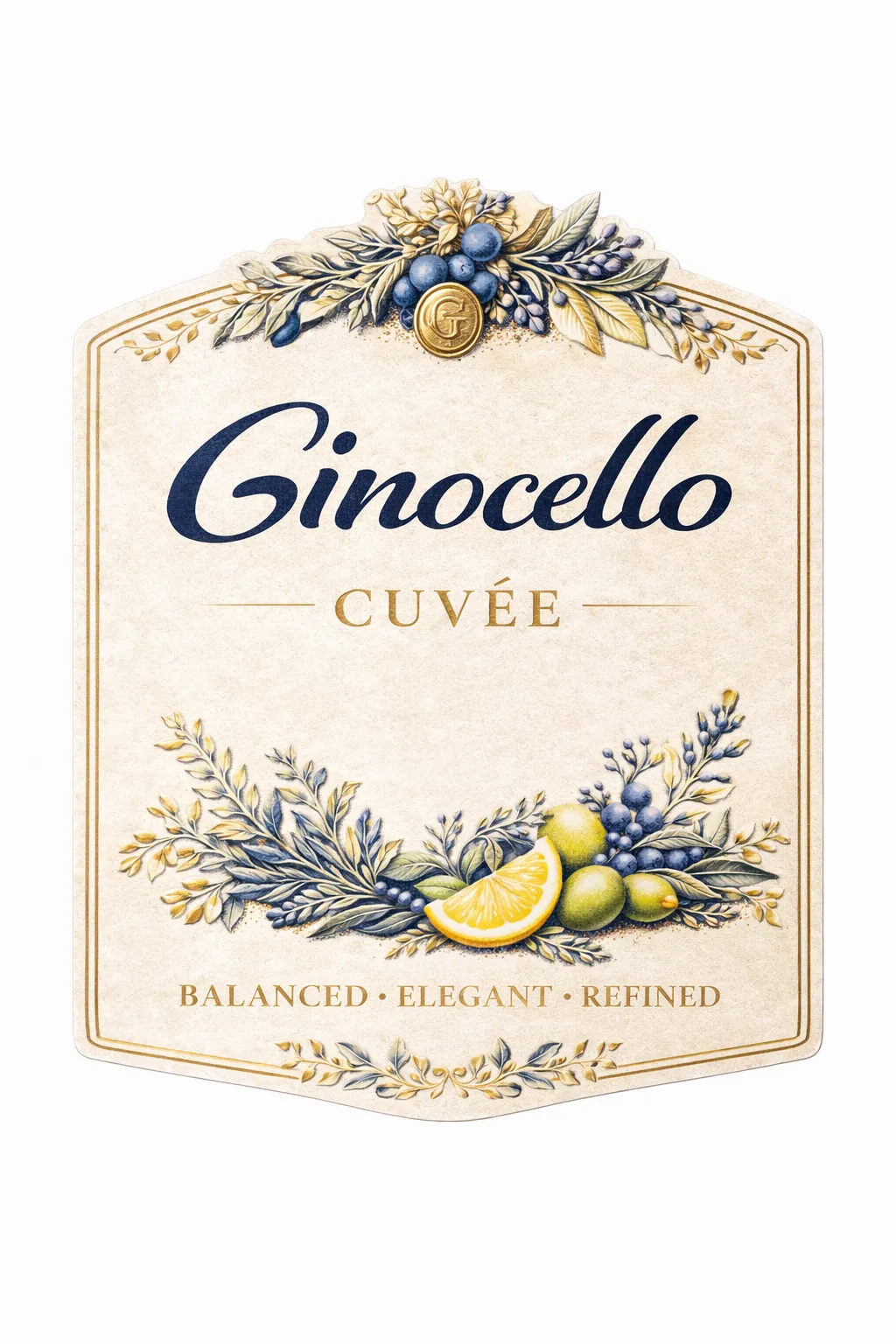
Gin Or Cello Is Ginocello: What the Name Really Means and Why It Matters
As new styles of spirits continue to emerge, consumers are encountering unfamiliar names that spark curiosity — and sometimes confusion. One phrase that appears increasingly in searches and conversations is Gin Or Cello.
People often ask:
Is Gin Or Cello the same as Ginocello?
The clear and simple answer is yes — Gin Or Cello is Ginocello.
The difference lies not in the drink itself, but in how the name is heard, interpreted, and searched online.
This article explains why Gin Or Cello and Ginocello refer to the same product, where the confusion comes from, what Ginocello actually is, how it’s made, how it’s enjoyed, and why multiple spellings such as Gin-O-Cello, Gincello, Ginoncello, and Ginorcello all point to the same modern gin liqueur.
Understanding the Phrase “Gin Or Cello”
The phrase Gin Or Cello is almost always the result of spoken language.
When the word Ginocello is spoken aloud, it can sound like:
-
Gin or cello
-
Gin on cello
-
Gin-O-Cello
In casual conversation, especially in bars, tastings, or social settings, listeners may interpret the phrase differently. When they later search for it online, they type what they remember hearing — which leads to searches for Gin Or Cello.
Crucially, Gin Or Cello is not a separate drink, brand, or category. It is simply a phonetic misunderstanding of the name Ginocello.
Gin Or Cello vs Ginocello: Is There Any Difference?
There is no difference at all.
| Term | What It Means |
|---|---|
| Ginocello | The correct and primary product name |
| Gin Or Cello | A spoken / interpreted version |
| Gin-O-Cello | A phonetic spelling |
| Gincello | A simplified spelling |
| Ginoncello | A common misspelling |
| Ginorcello | Another search variation |
All of these terms refer to the same style of drink: a gin-based citrus liqueur.
For clarity and consistency, Ginocello is generally used as the official name, while the others are recognised as alternative spellings or search terms.
What Is Ginocello?
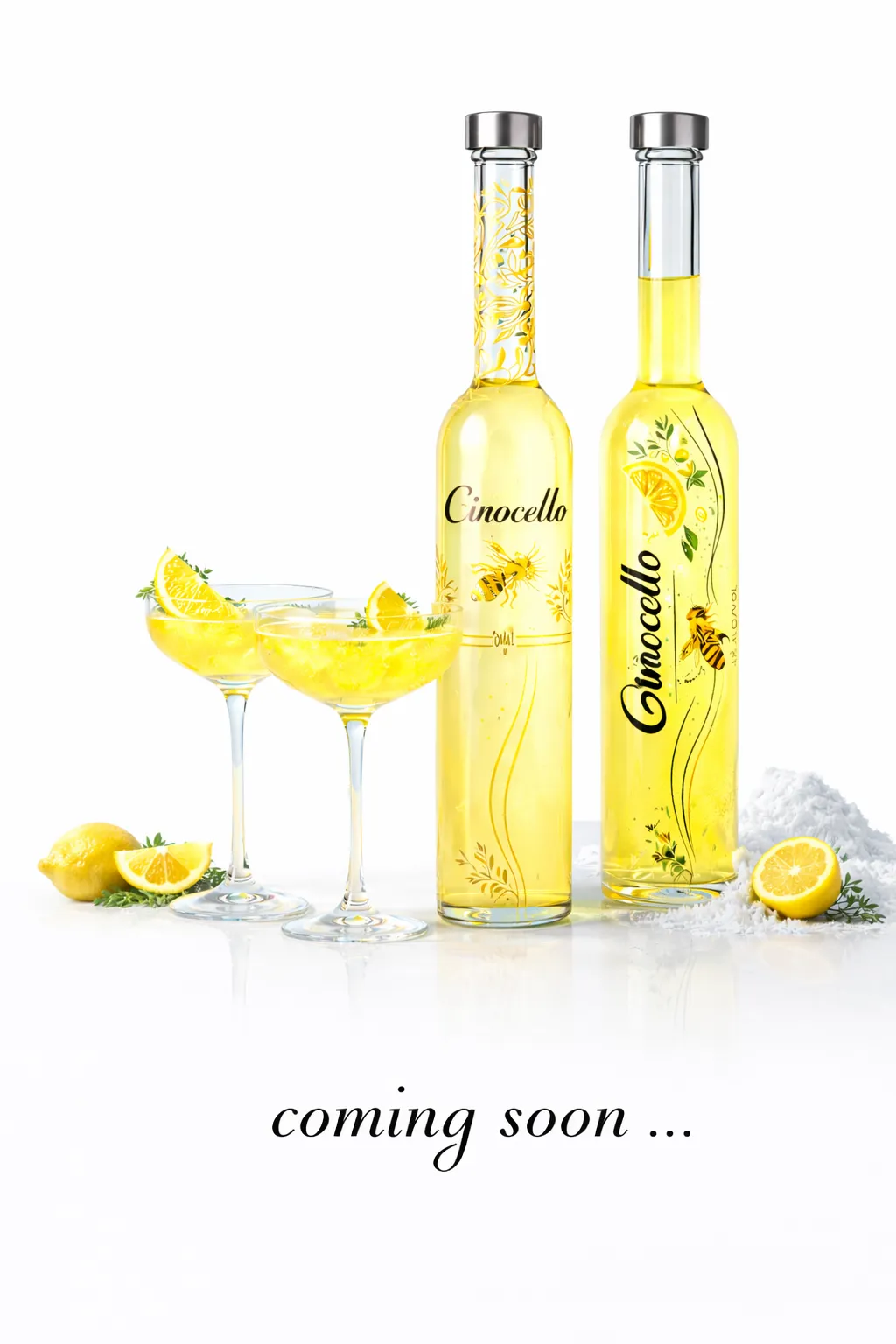
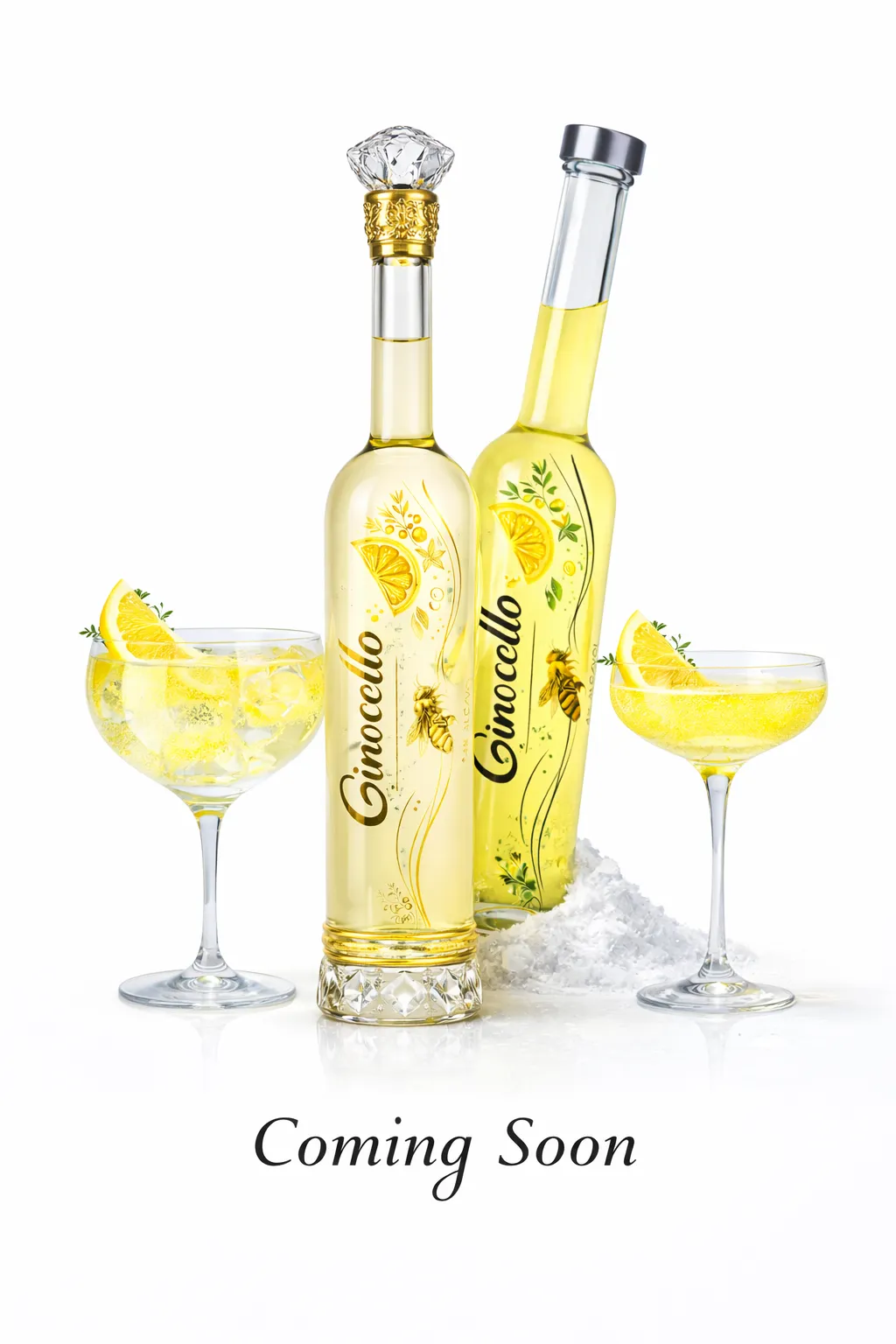
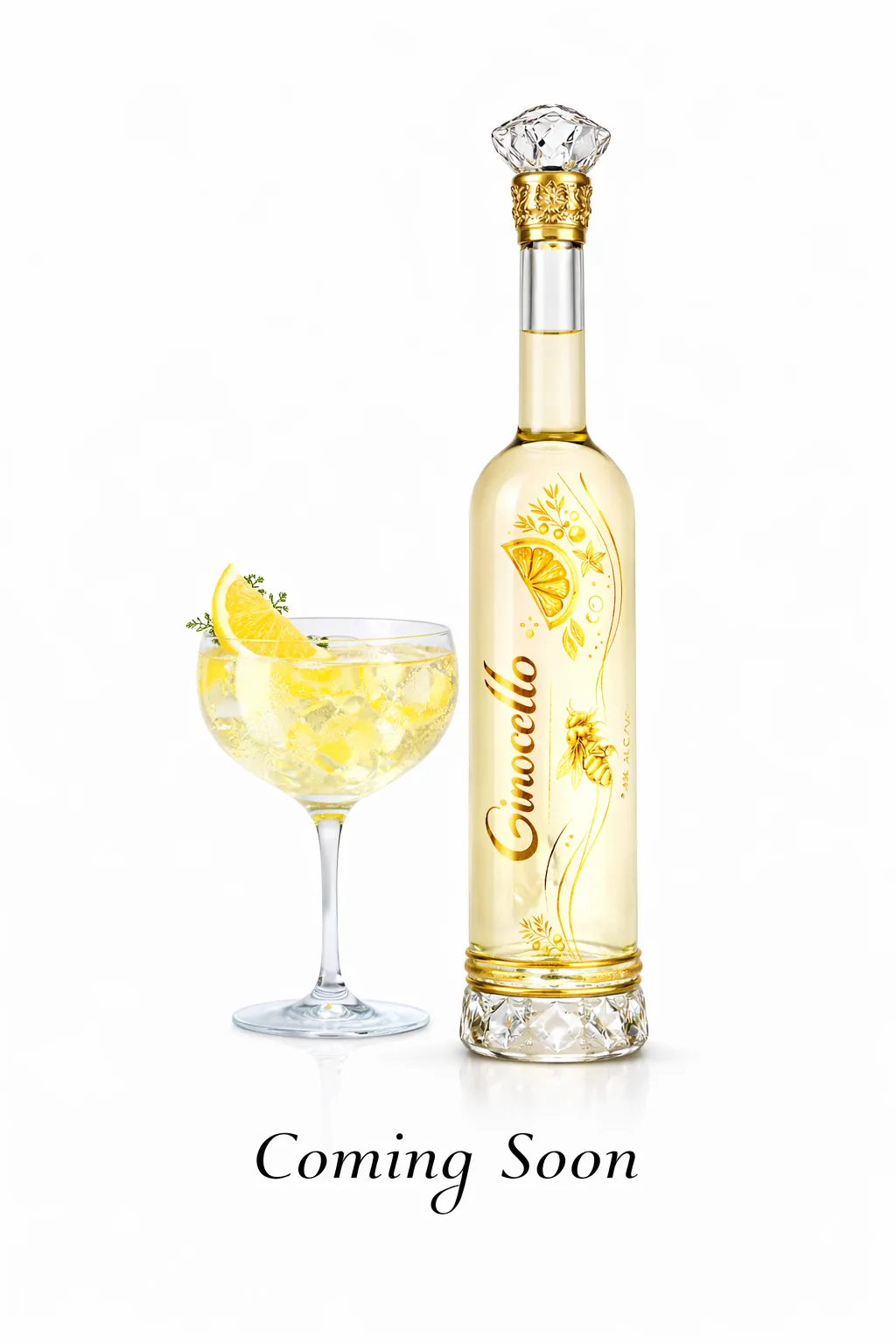
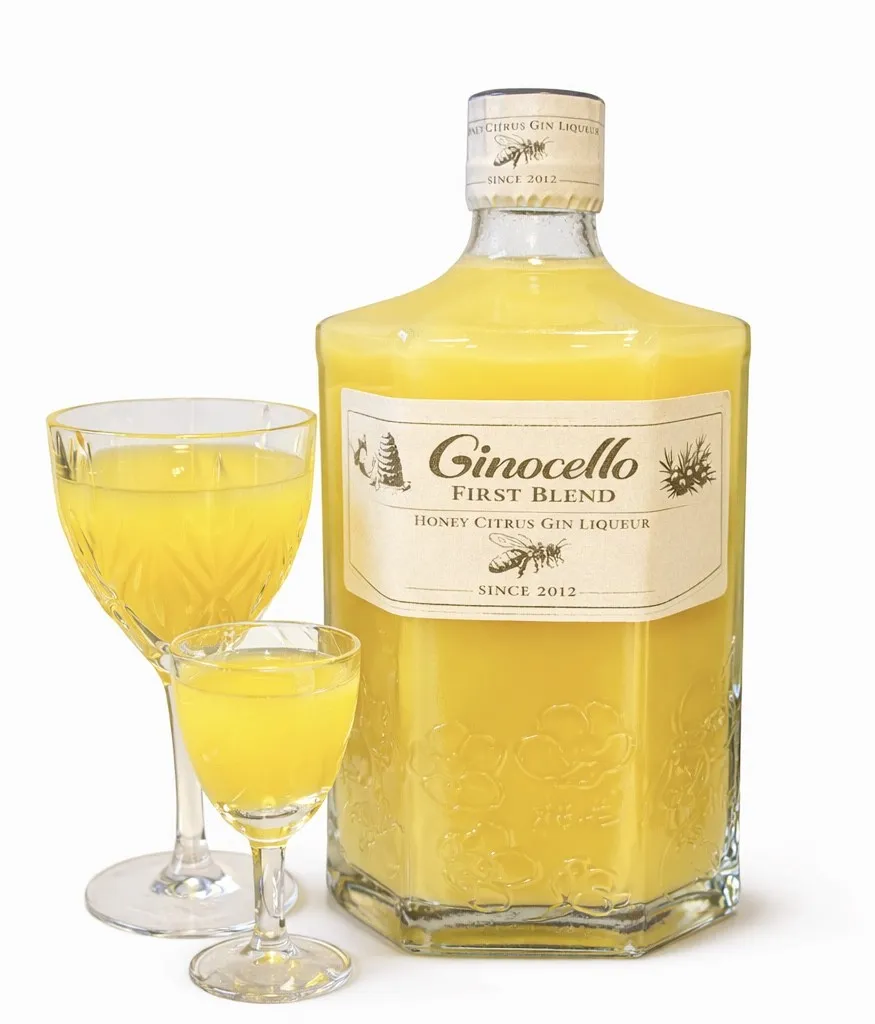
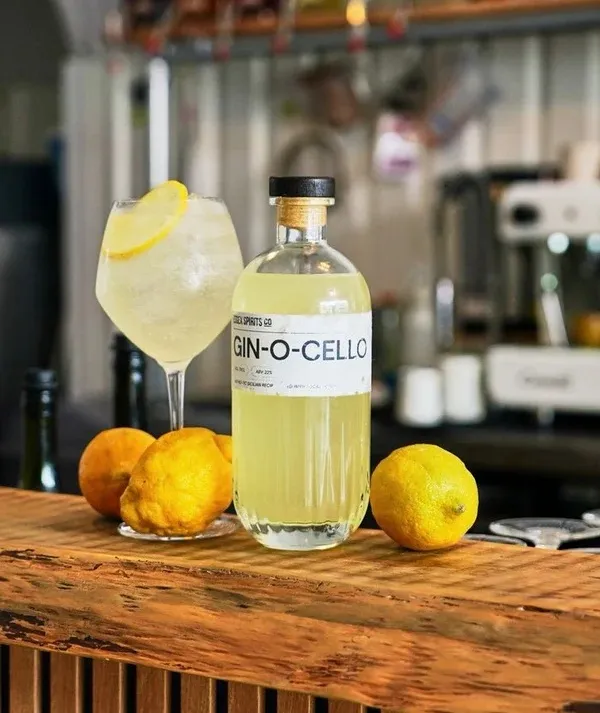
Ginocello is a gin-based liqueur that blends the botanical character of gin with the brightness of citrus and gentle sweetness.
Unlike traditional gin, which is dry and high in alcohol, Ginocello is designed to be:
-
Softer and smoother
-
Lower in alcohol
-
Citrus-forward
-
Easy to sip or mix
It sits between gin, flavoured liqueurs, and aperitif-style drinks, making it versatile and approachable.
Why Ginocello Is Not “Gin or Cello”
The phrase Gin Or Cello can sometimes suggest a choice — as if the drink is either gin or something else. This is not the case.
Ginocello is not a choice between gin and another drink. It is:
-
Gin-based
-
Citrus-infused
-
Botanically structured
The name describes a fusion, not an option. Once understood, the phrase Gin Or Cello becomes simply another way people arrive at the correct product: Ginocello.
How Ginocello Differs from Traditional Gin
Traditional gin is typically:
-
Dry
-
Juniper-led
-
Bottled at 37.5–45% ABV
Ginocello changes this balance.
Key differences include:
-
Lower alcohol content (often around 18–25% ABV)
-
Natural sweetness from honey or sugar
-
Prominent citrus notes
-
Rounder, smoother mouthfeel
This makes Ginocello appealing to both gin drinkers and those who find standard gin too strong or sharp.
Is Ginocello the Same as Limoncello?
No — despite the similarity in sound, Ginocello and limoncello are fundamentally different.
-
Limoncello is made with neutral spirit, lemon peel, sugar, and water
-
Ginocello includes gin botanicals, especially juniper
Those botanicals give Ginocello structure and complexity, ensuring it remains recognisably gin-based rather than a simple citrus liqueur.
In short:
-
Limoncello = citrus liqueur
-
Ginocello = citrus gin liqueur
The Botanical Foundation of Ginocello
The defining feature of Ginocello is its botanical profile. While recipes vary, many include:
-
Juniper berries
-
Coriander seed
-
Angelica root
-
Lemon and orange peel
-
Floral elements
-
Tea or spice notes
This botanical backbone ensures that Ginocello retains depth and balance while allowing citrus flavours to shine.
How Ginocello Is Made
Although methods differ by producer, the general process follows these steps:
1. Base Spirit Preparation
A gin or British grain spirit infused with gin botanicals is prepared.
2. Citrus Infusion
Fresh citrus peels are macerated to extract natural oils.
3. Sweetening
Honey or sugar is added to balance acidity and bitterness.
4. Resting and Blending
The spirit is rested to allow flavours to integrate smoothly.
5. Bottling
The final product is bottled at a lower ABV for balance and drinkability.
The result is a smooth, aromatic, citrus-led gin liqueur.
Alcohol Content and Style
Ginocello typically sits between:
-
18% and 25% ABV
This places it:
-
Stronger than wine or prosecco
-
Lighter than traditional gin
This moderate strength makes Ginocello suitable for longer serves, social drinking, and early-evening occasions.
How to Drink Ginocello
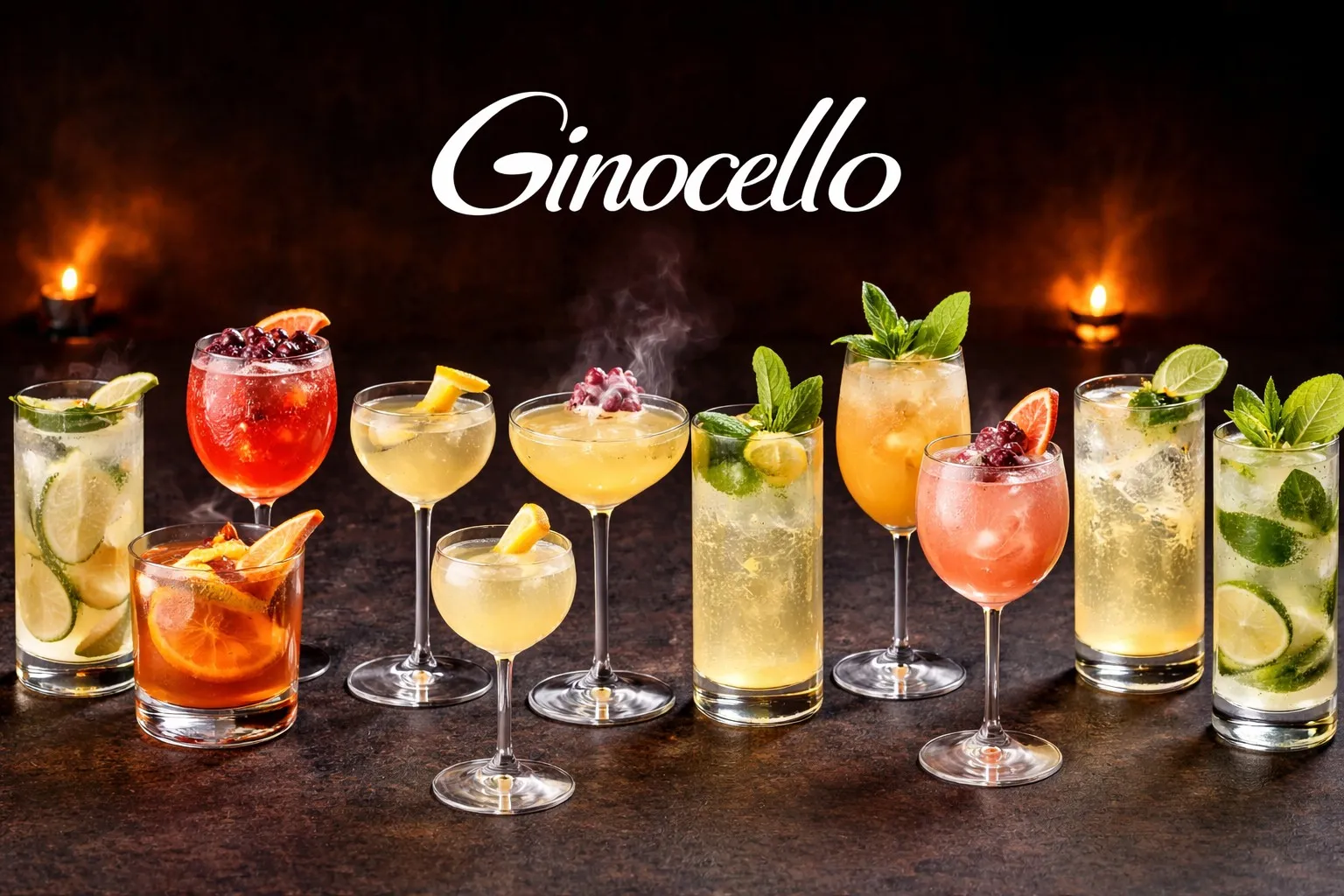
One of the reasons Ginocello is growing in popularity is its versatility.
Chilled or Over Ice
Served cold, it highlights citrus and botanical notes.
Ginocello Spritz
A popular modern serve:
-
Ginocello
-
Sparkling wine or prosecco
-
Soda water
-
Citrus garnish
Cocktails
Ginocello works well in:
-
Citrus sours
-
Light martini variations
-
Collins-style drinks
With Food
Pairs well with:
-
Light desserts
-
Cheese boards
-
Fresh, summery dishes
Is Gin Or Cello an Aperitif?
Yes — Ginocello functions very well as an aperitif-style drink.
Its citrus brightness stimulates the palate, while the botanicals add interest without heaviness. This makes it ideal before meals or as a relaxed pre-dinner drink.
Why Searches for “Gin Or Cello” Are Increasing
The rise in searches for Gin Or Cello reflects how people discover new drinks today:
-
Through conversation
-
On menus
-
Via social media
-
In bars and restaurants
Because the name is often heard before it is seen written, spelling variations are inevitable. Clear explanations help guide consumers to the correct product.
Branding and SEO: Why Saying “Gin Or Cello Is Ginocello” Matters
From a digital perspective, it is important for brands and retailers to clearly state that Gin Or Cello is Ginocello.
This helps:
-
Reduce confusion
-
Capture all relevant search traffic
-
Strengthen brand authority
-
Avoid duplicate or misleading content
Best practice is to use Ginocello as the primary name while acknowledging variants such as Gin Or Cello.
Is Ginocello a Premium Product?
Most Ginocello products are positioned as premium but approachable.
Premium indicators often include:
-
Natural ingredients
-
Carefully selected botanicals
-
Thoughtful production
-
Elegant packaging
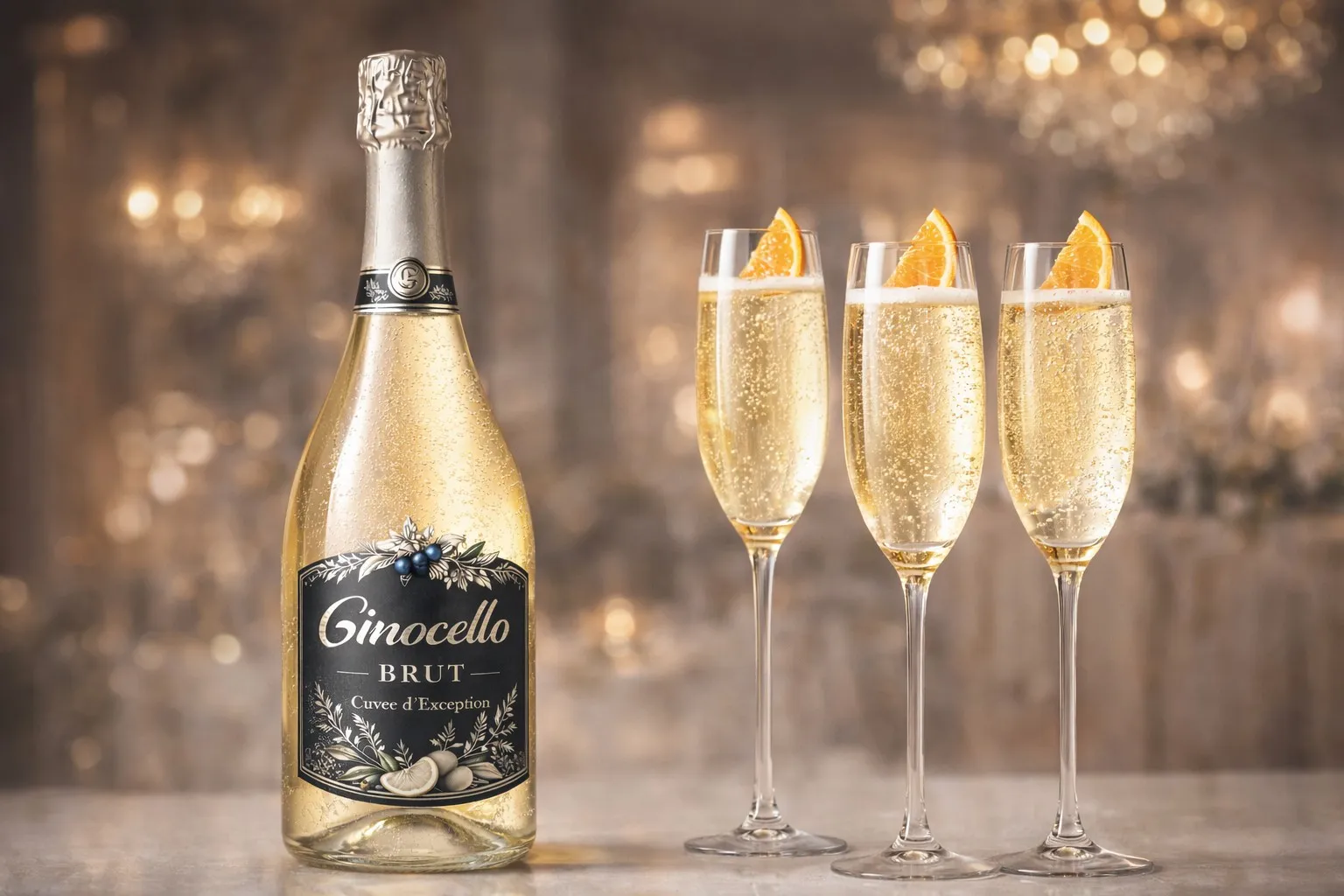
This makes Ginocello suitable for gifting, celebrations, and hospitality use.
Ginocello in England: A Growing Trend
In England, drinking preferences are shifting toward:
-
Lower-ABV spirits
-
Flavour-led drinks
-
Versatile social serves
Ginocello fits naturally into this trend, offering familiarity with a modern twist.
The Future of Ginocello
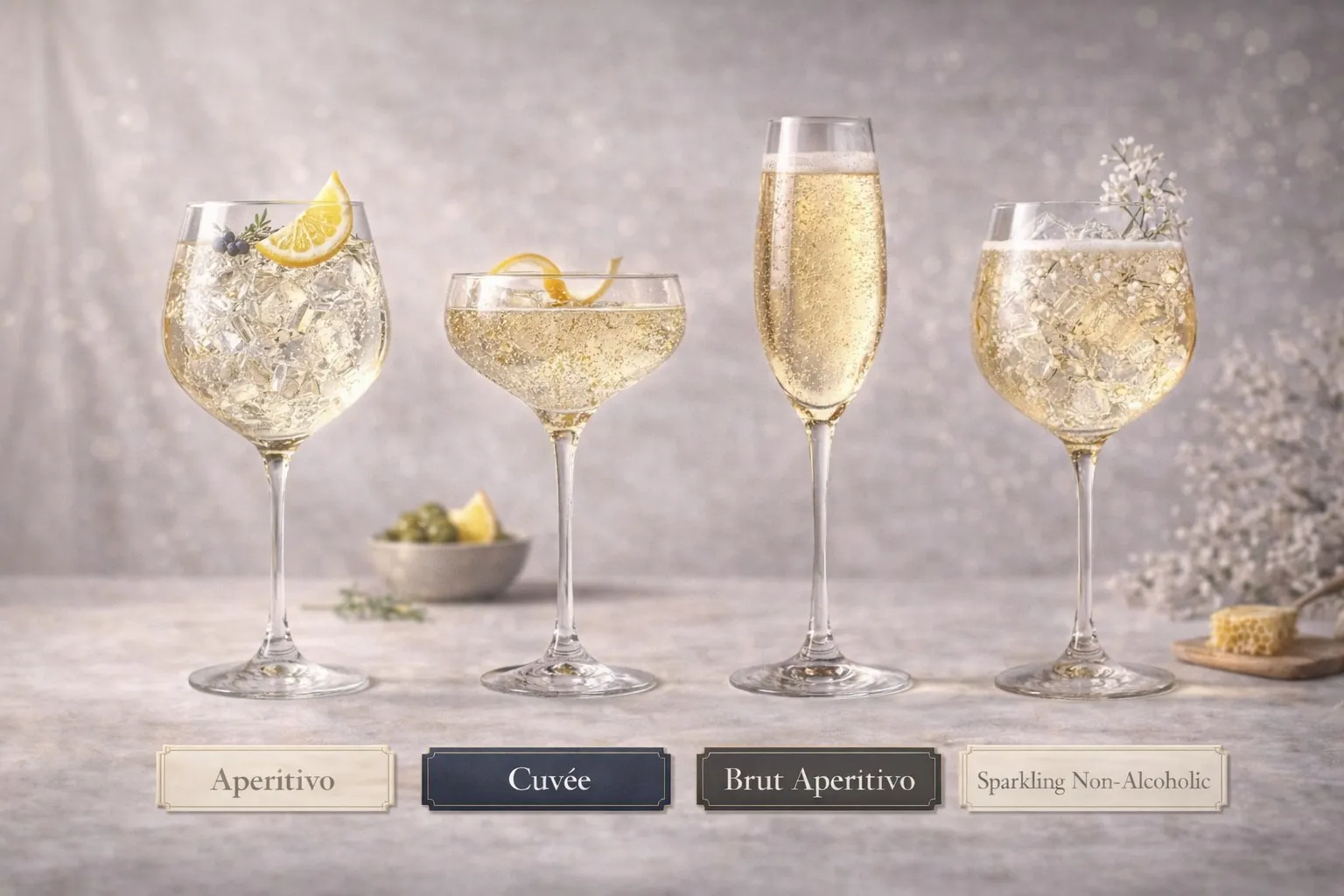
As awareness grows, Ginocello is likely to expand into:
-
Sparkling styles
-
New citrus and botanical variations
-
Wider menu presence
-
Increased retail availability
The continued appearance of searches such as Gin Or Cello suggests long-term interest rather than a passing trend.
Final Thoughts: Gin Or Cello Is Ginocello
To be absolutely clear:
-
Gin Or Cello is Ginocello
-
The difference is interpretation, not substance
-
All spelling variations refer to the same gin-based citrus liqueur
Whether discovered as Gin Or Cello, Ginocello, Gin-O-Cello, Gincello, Ginoncello, or Ginorcello, the experience remains the same: a smooth, citrus-bright gin liqueur designed for modern drinking.