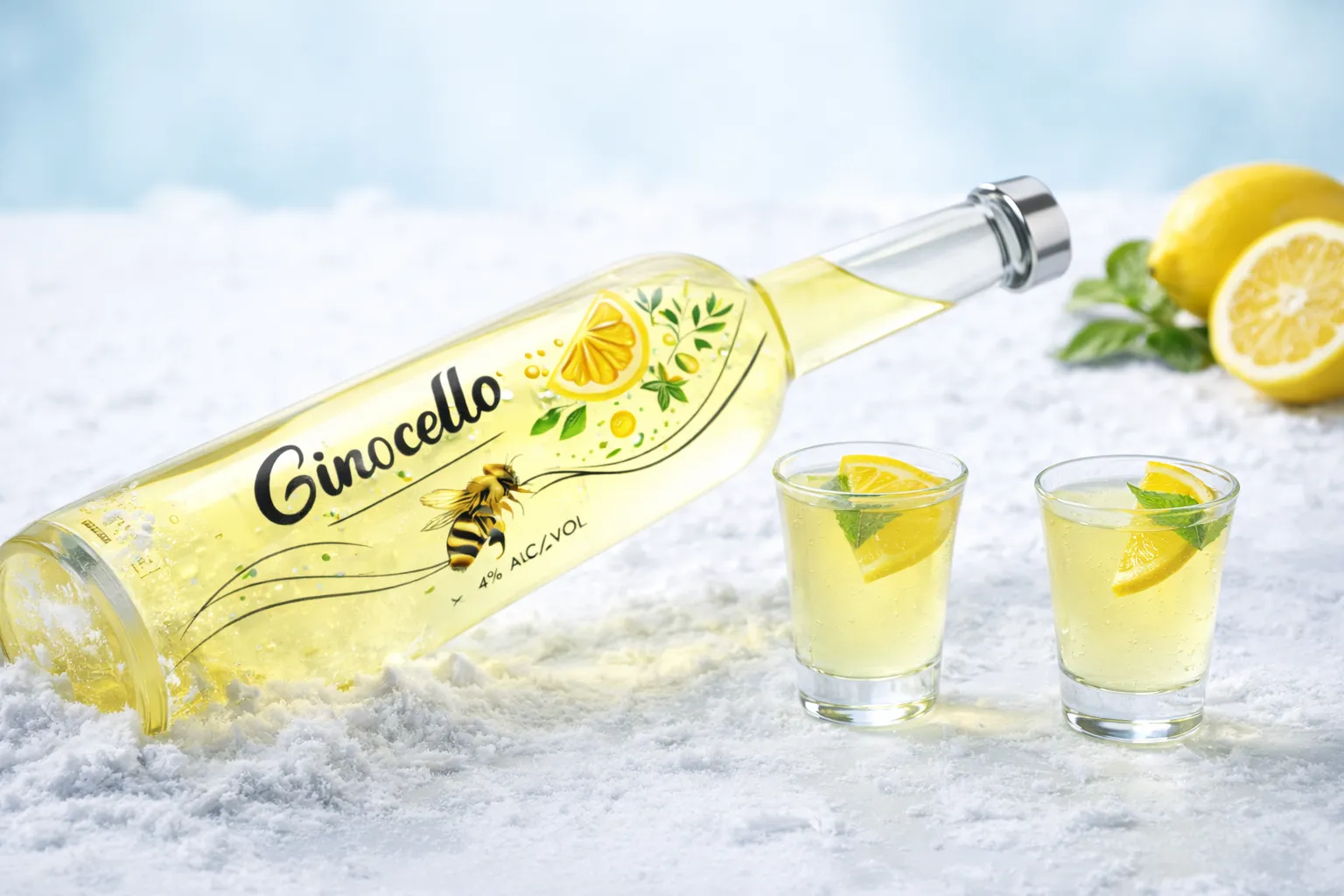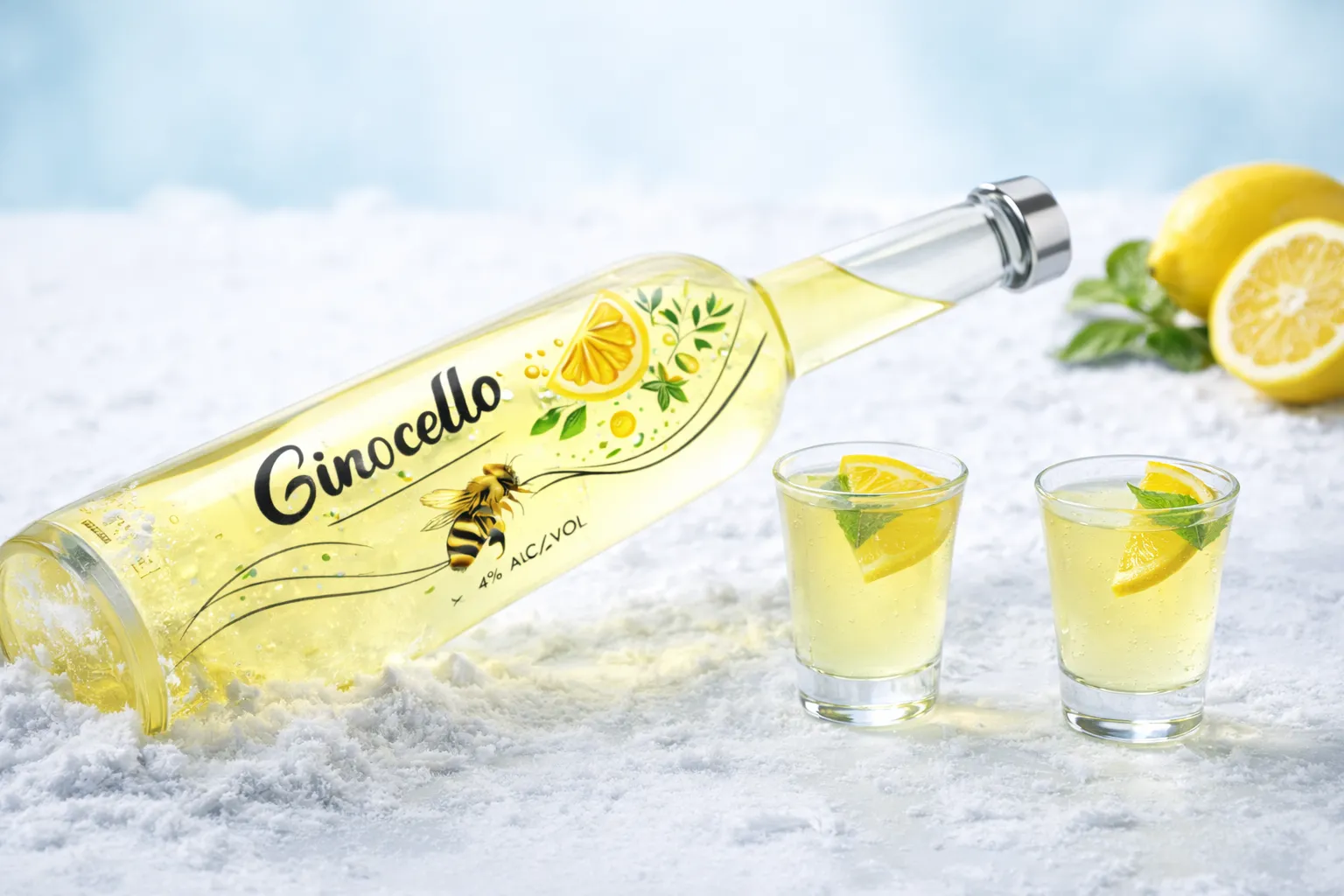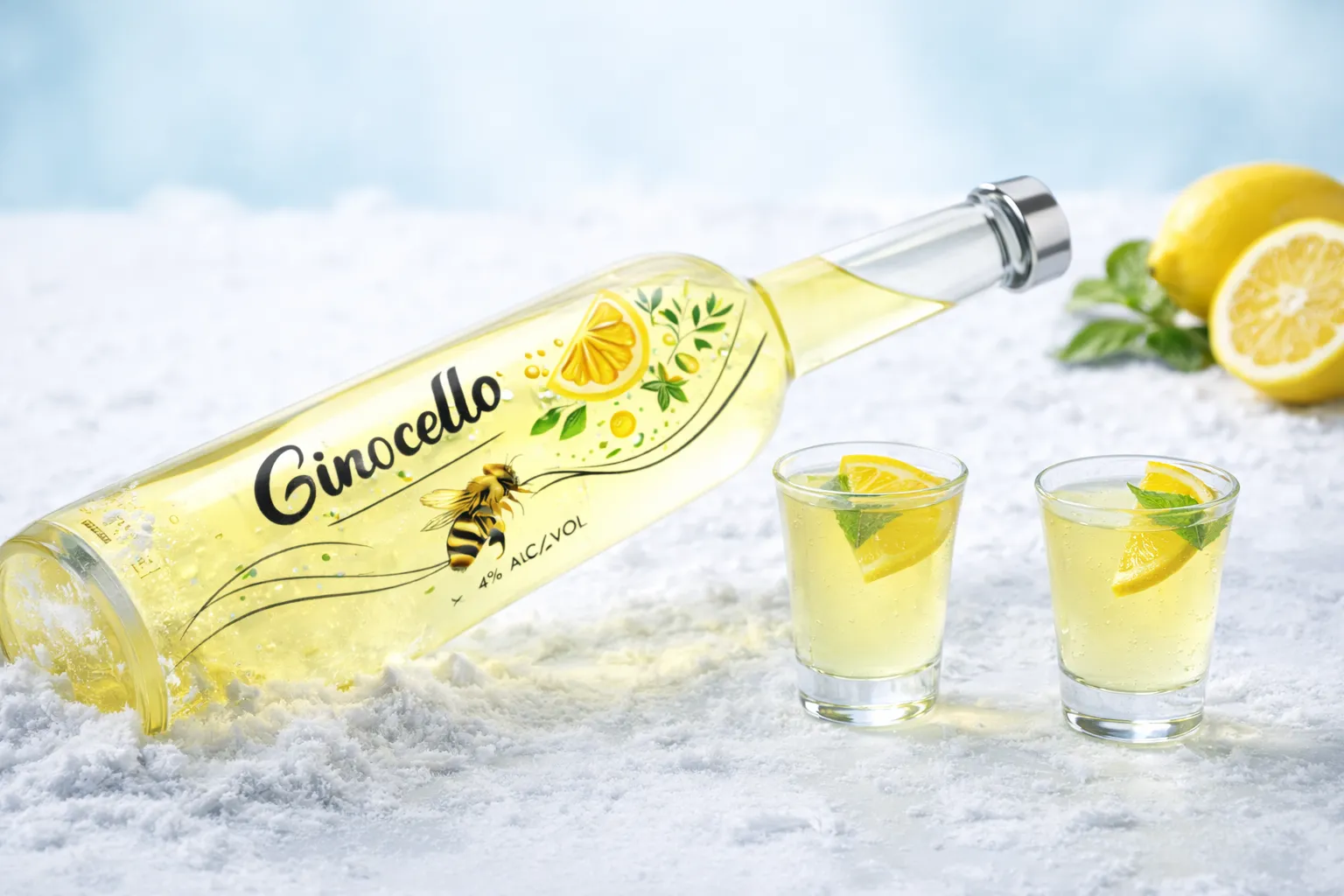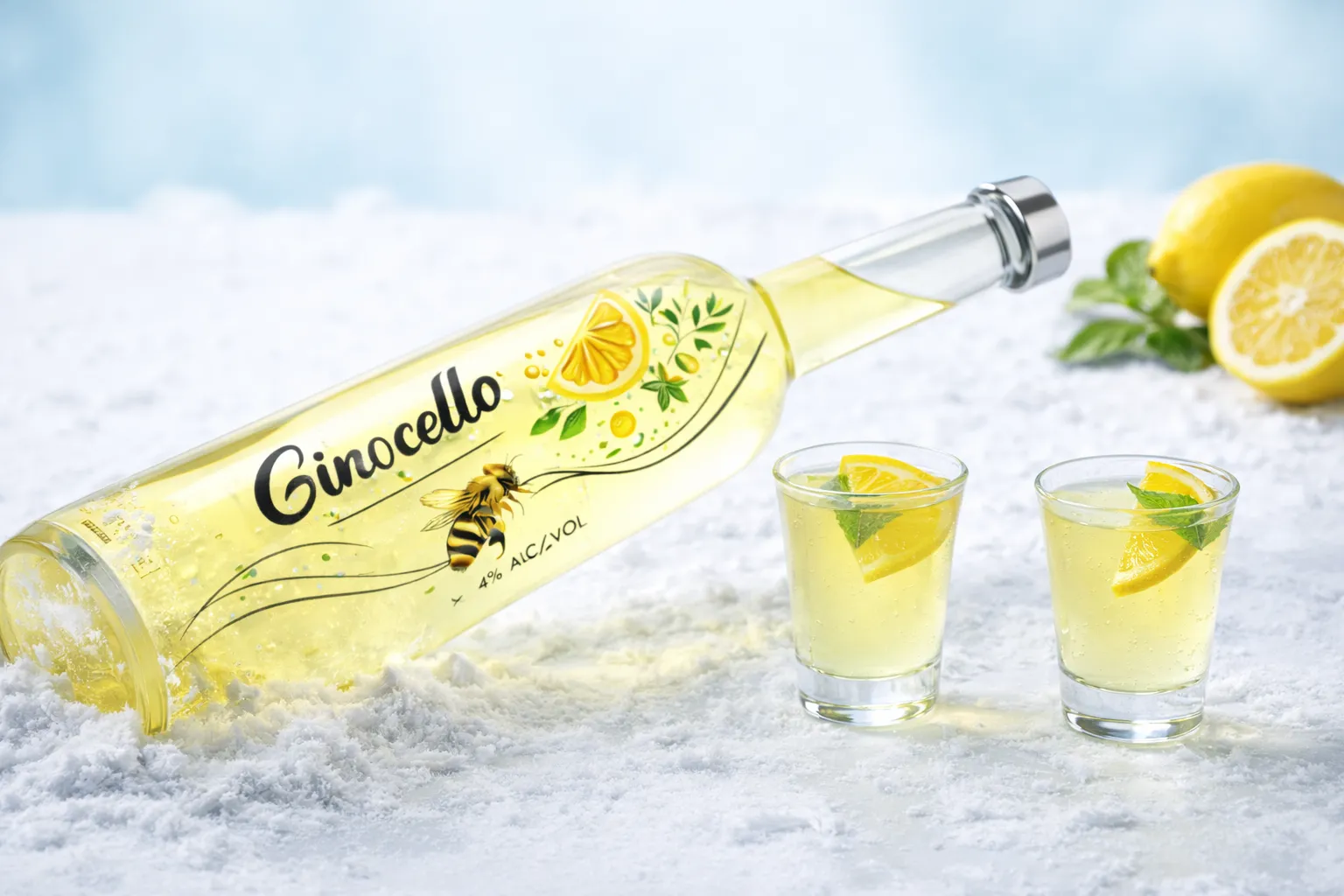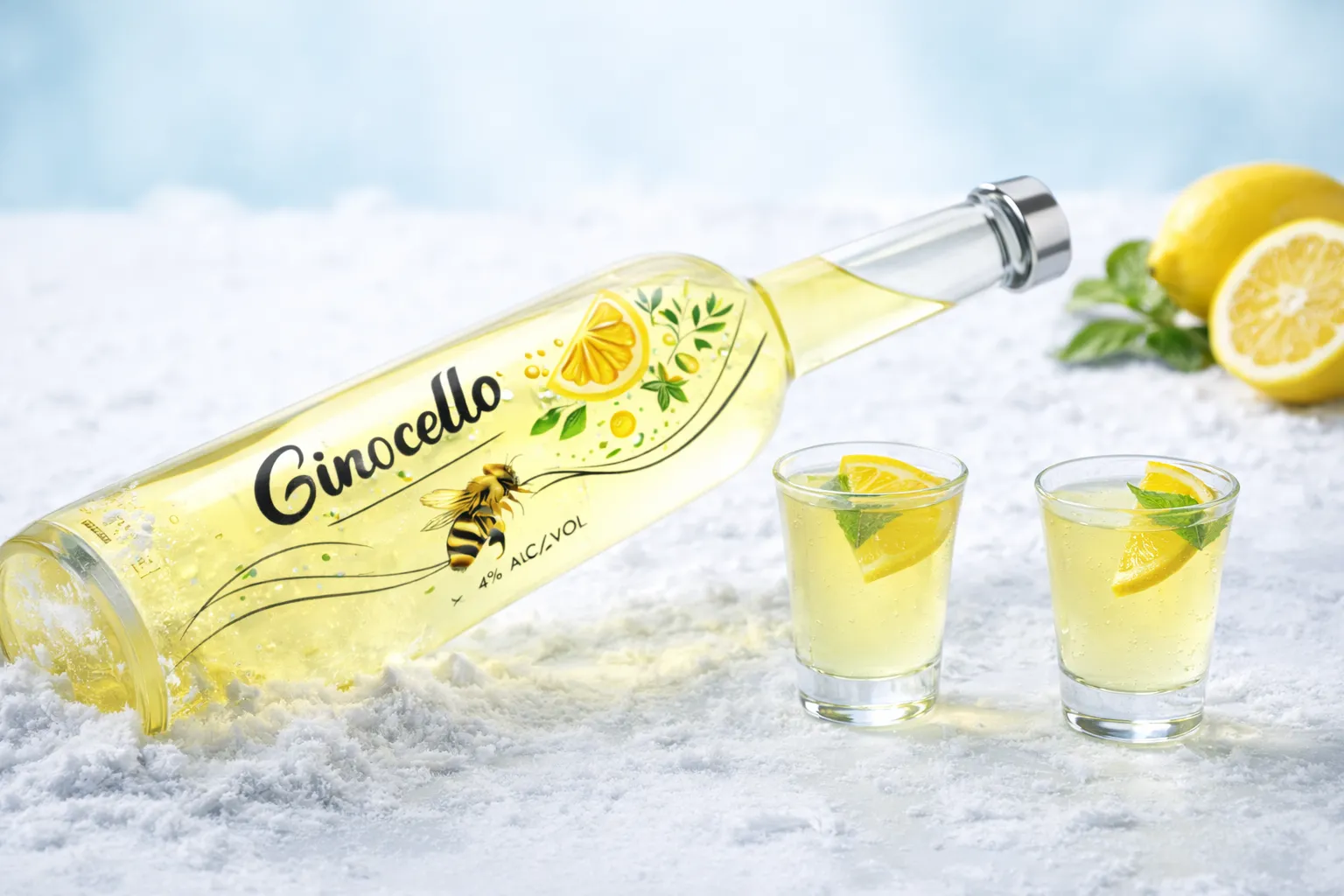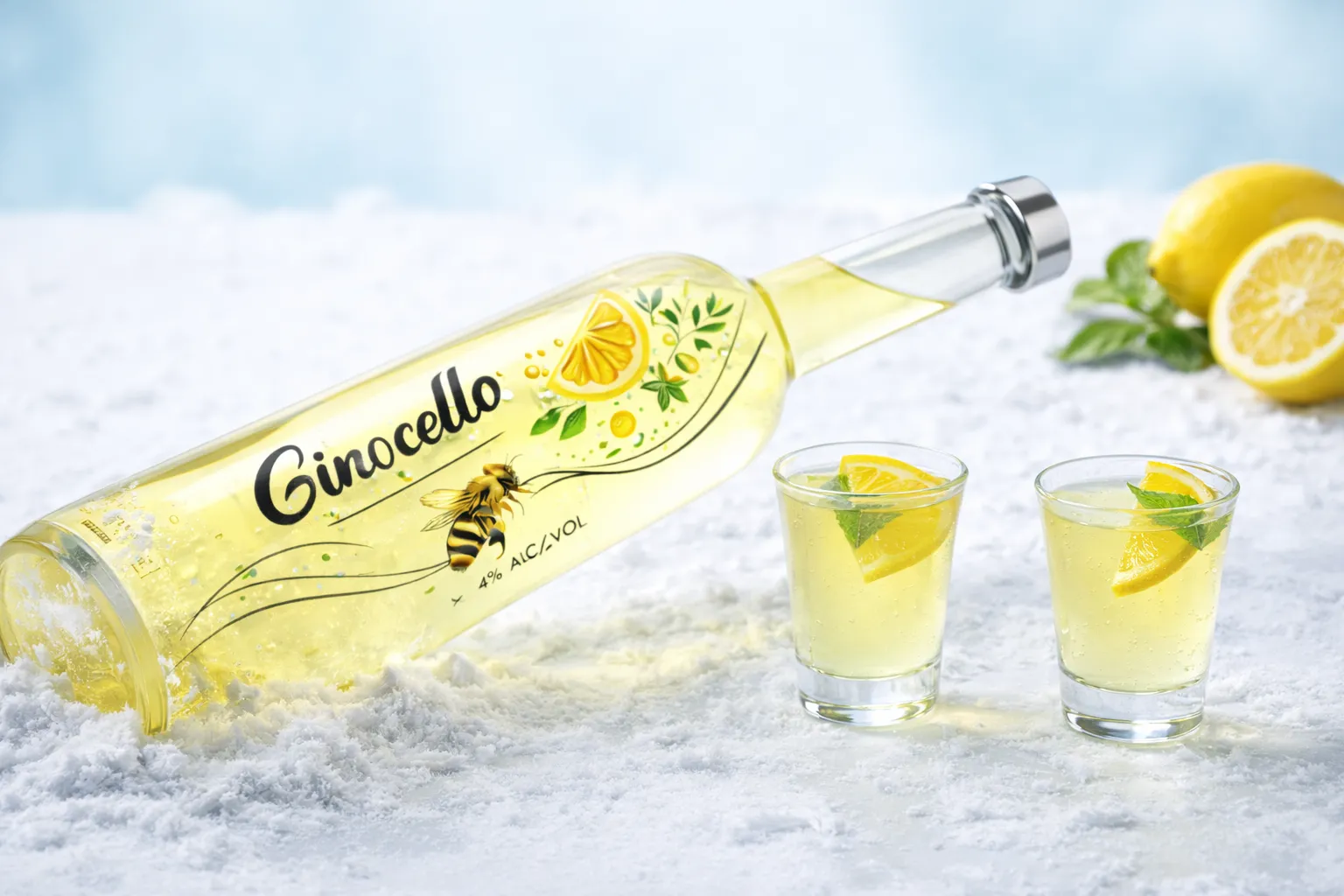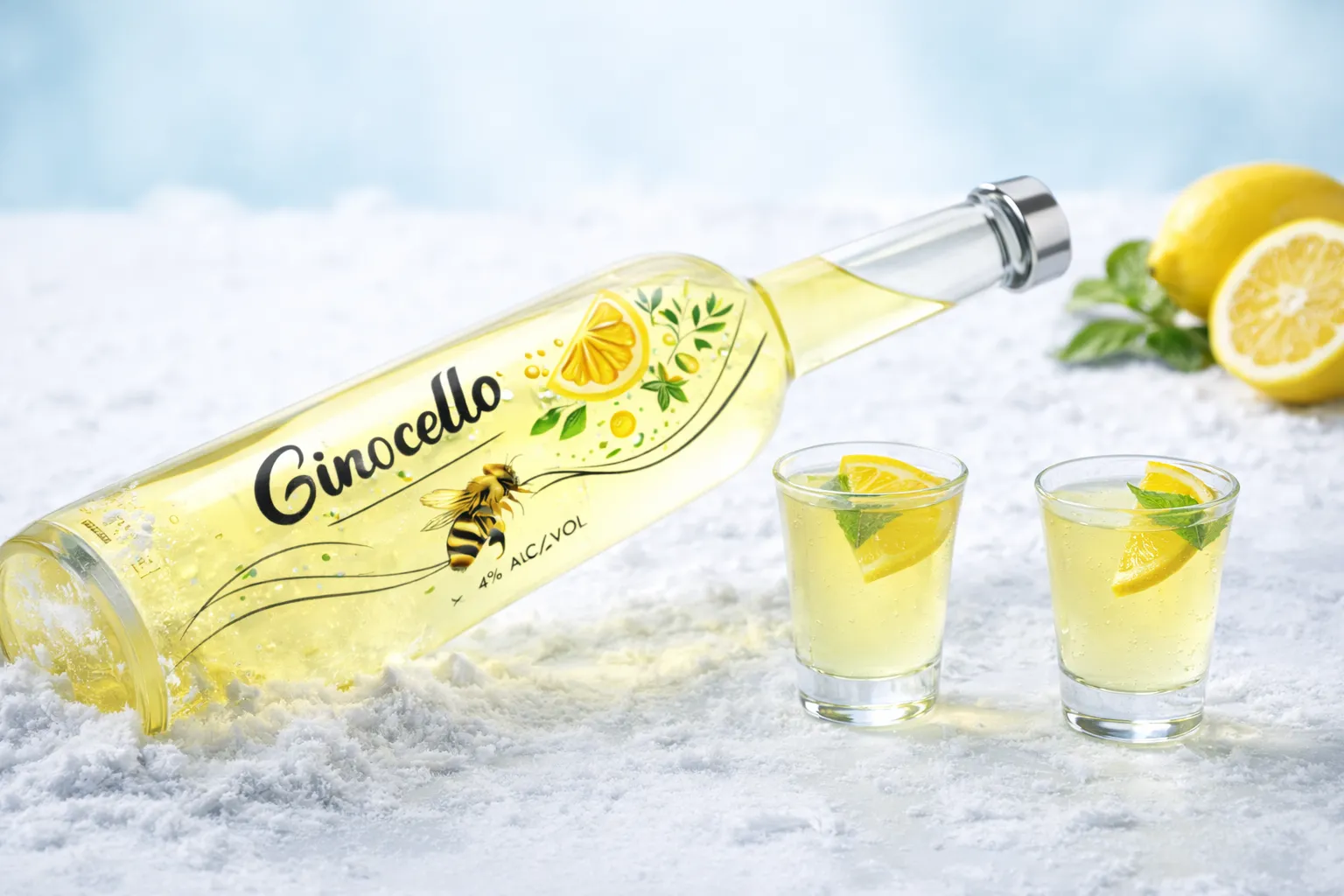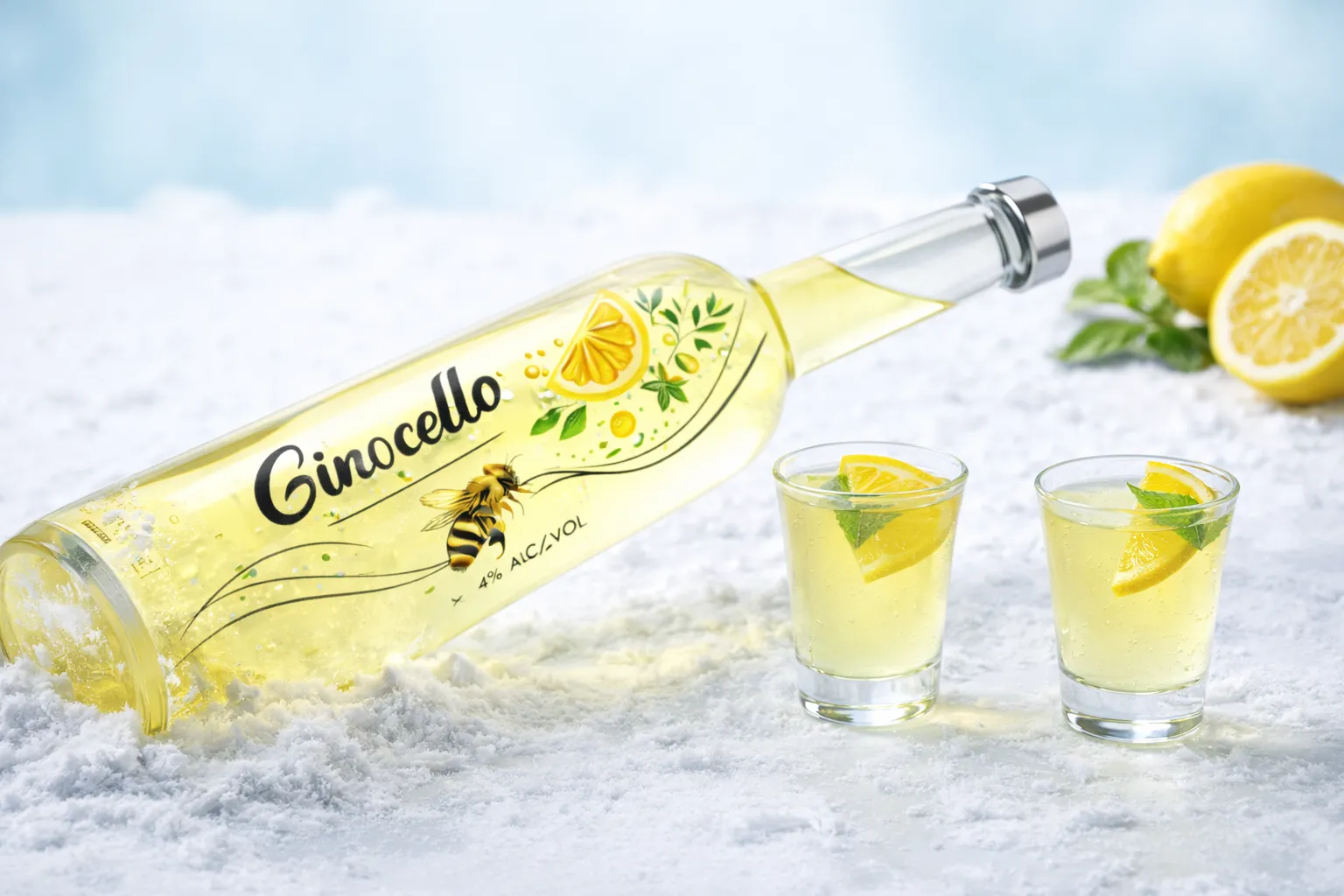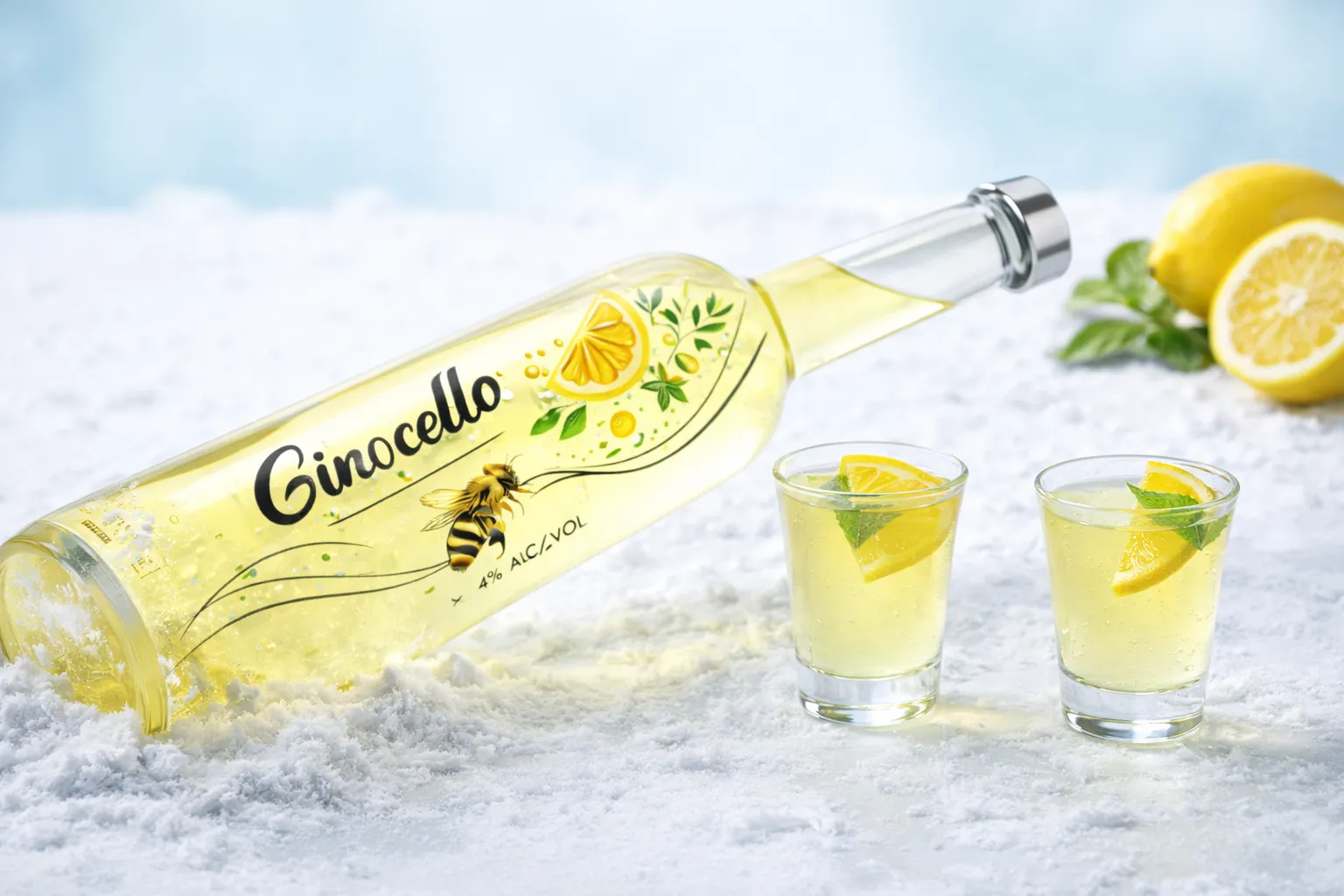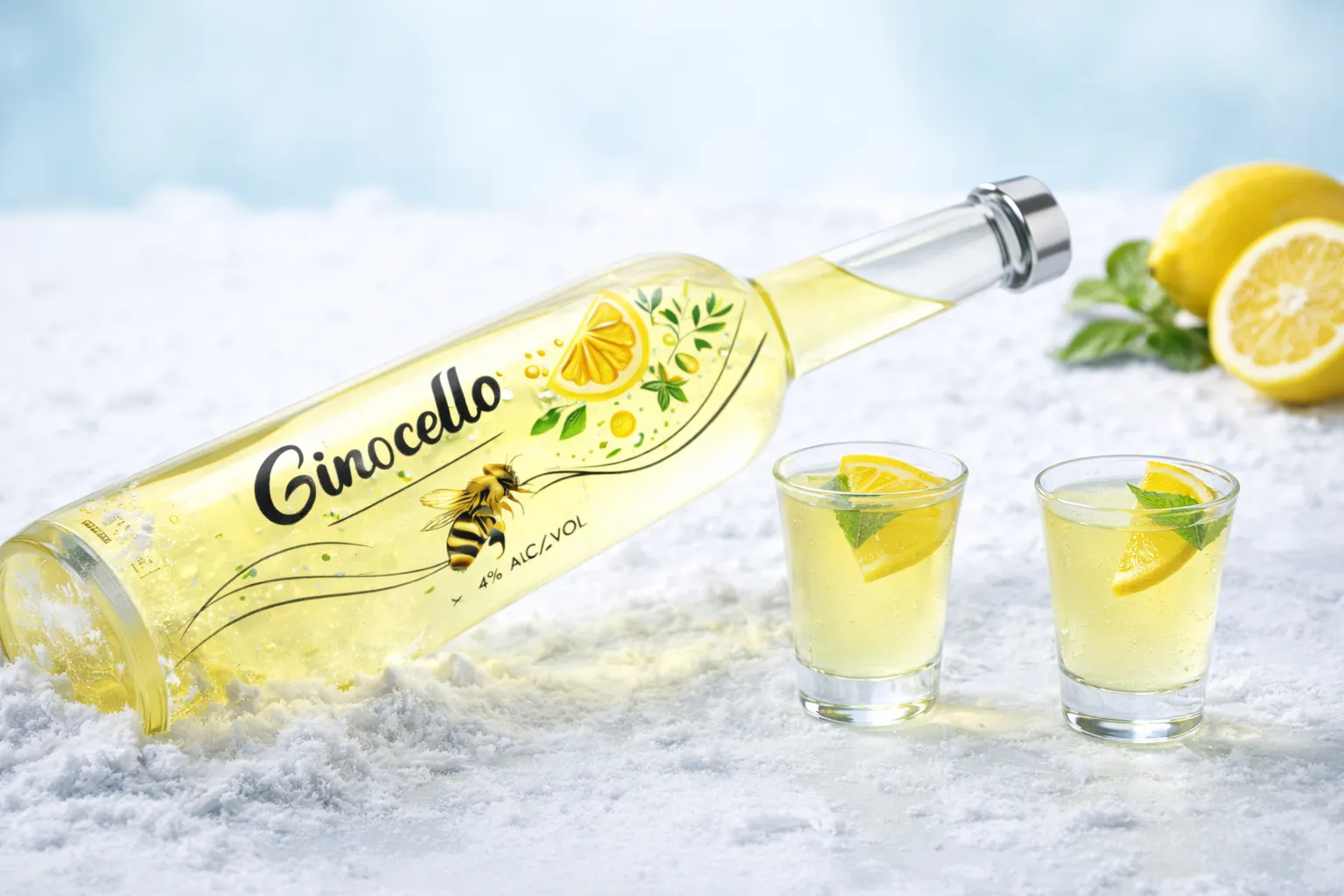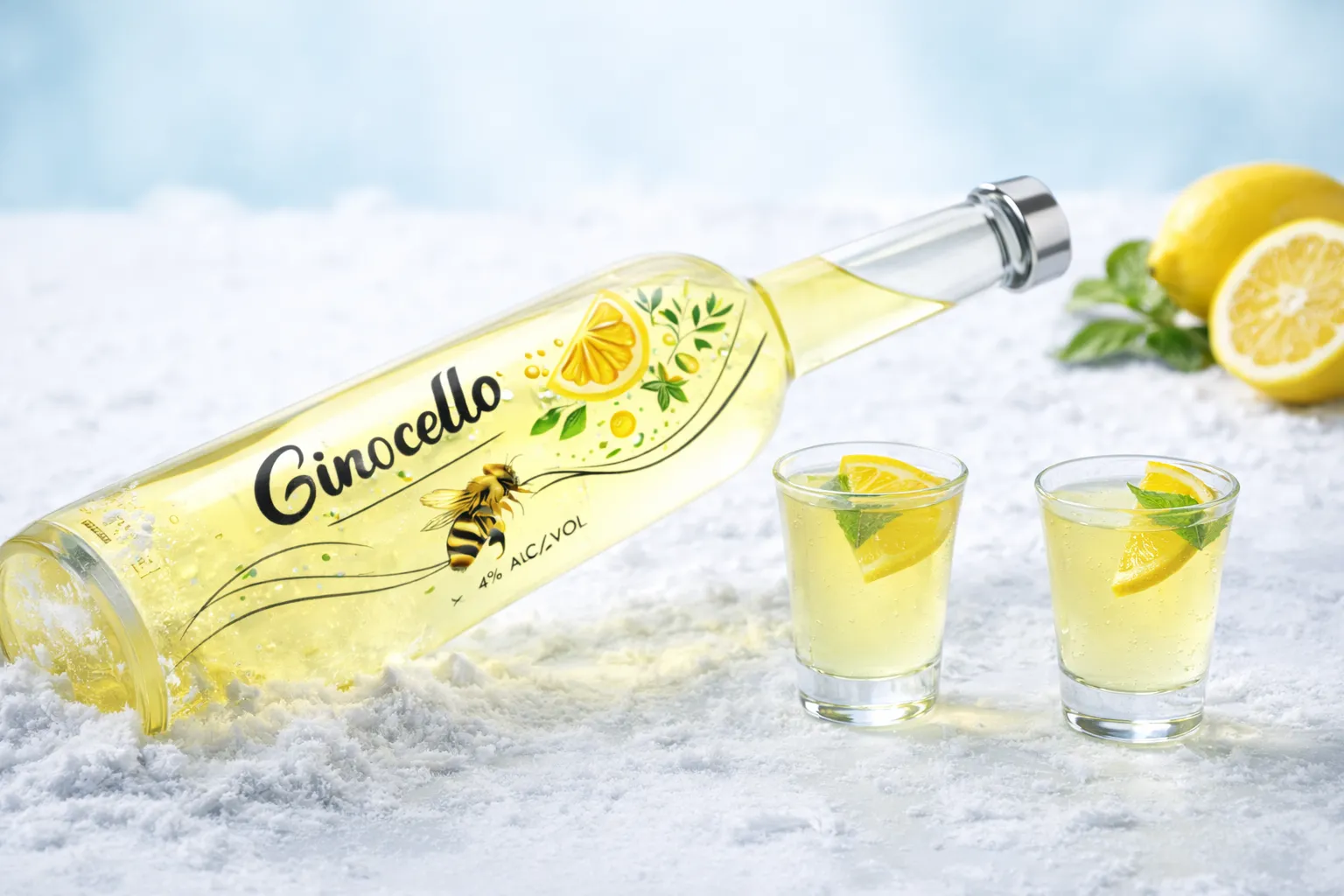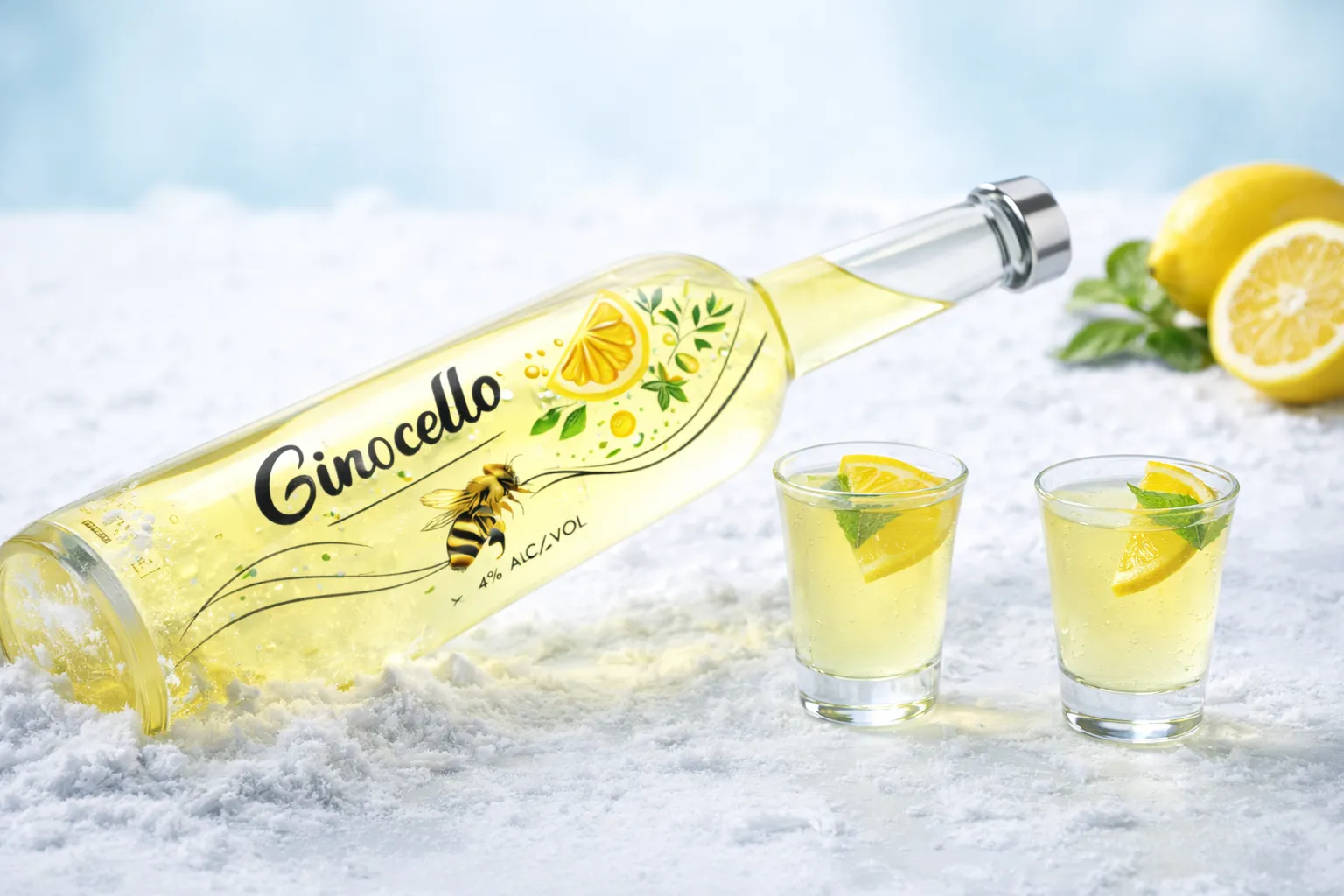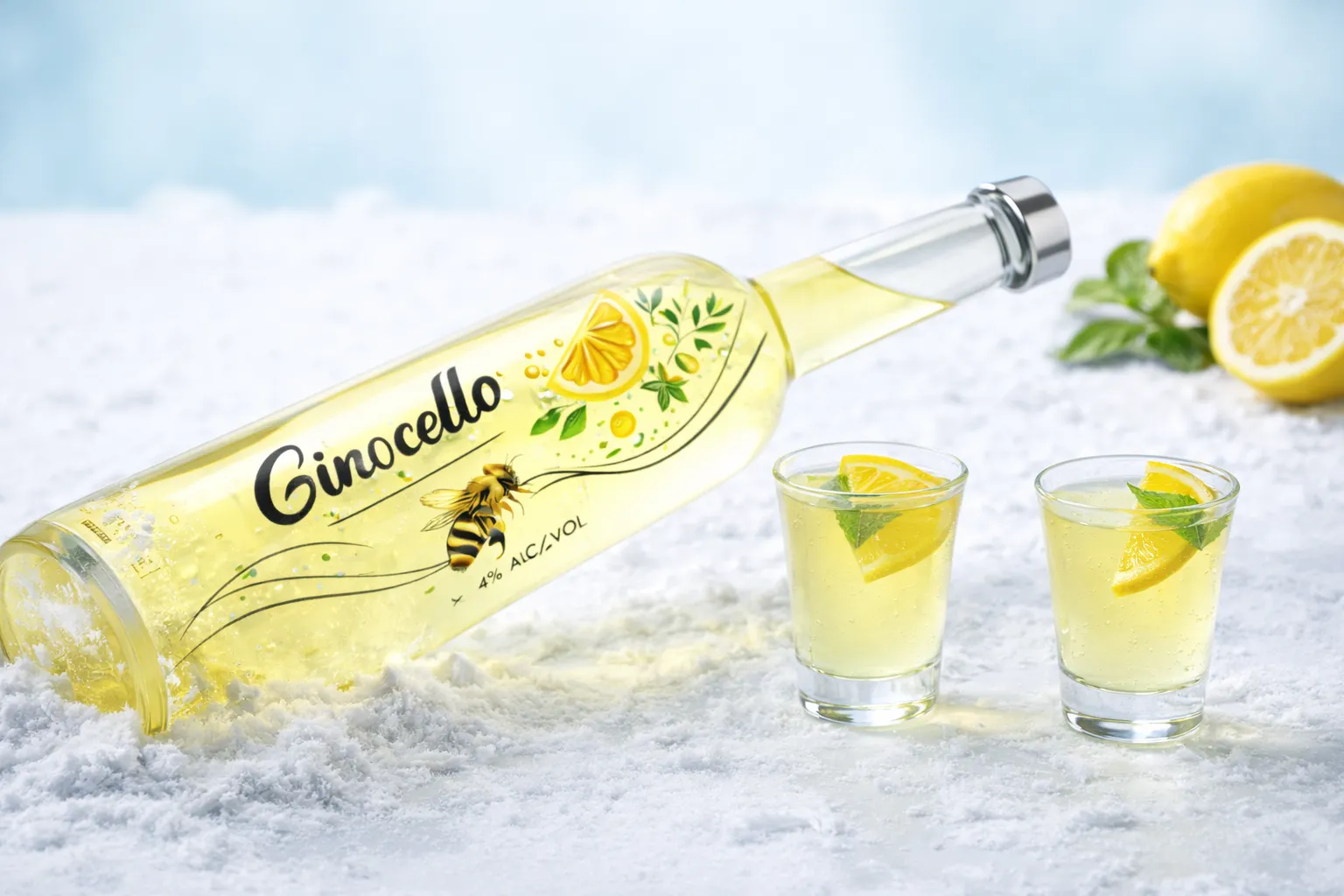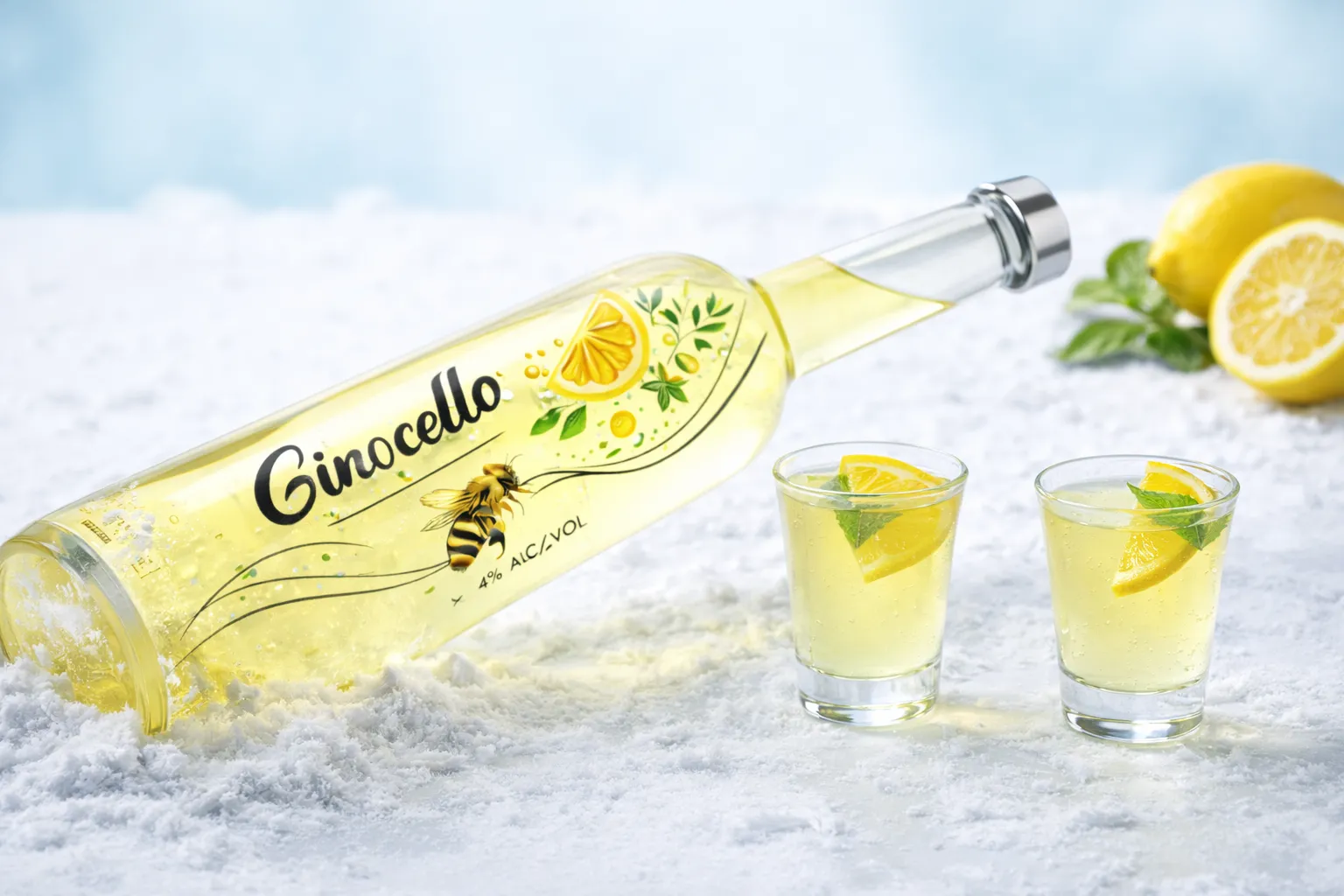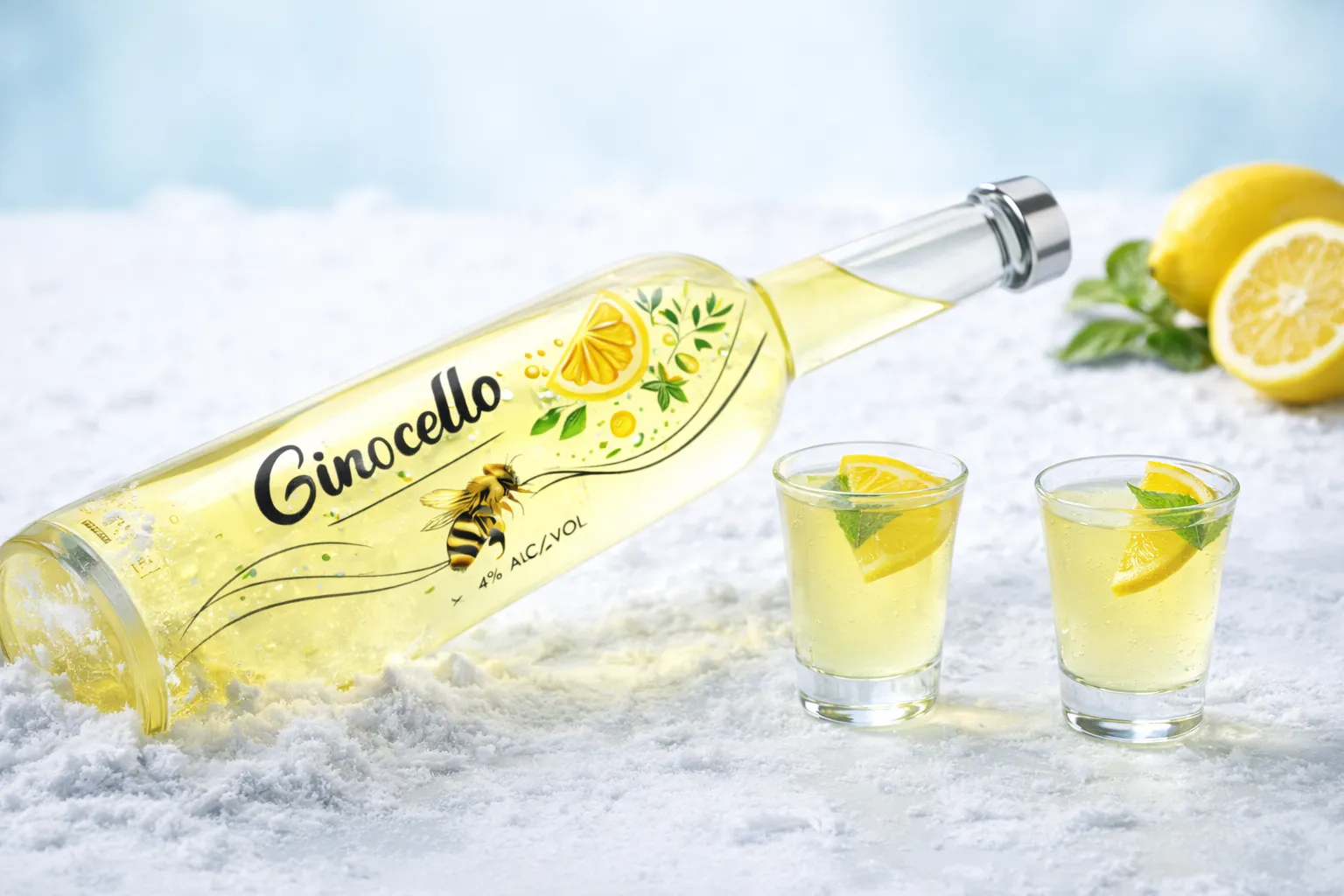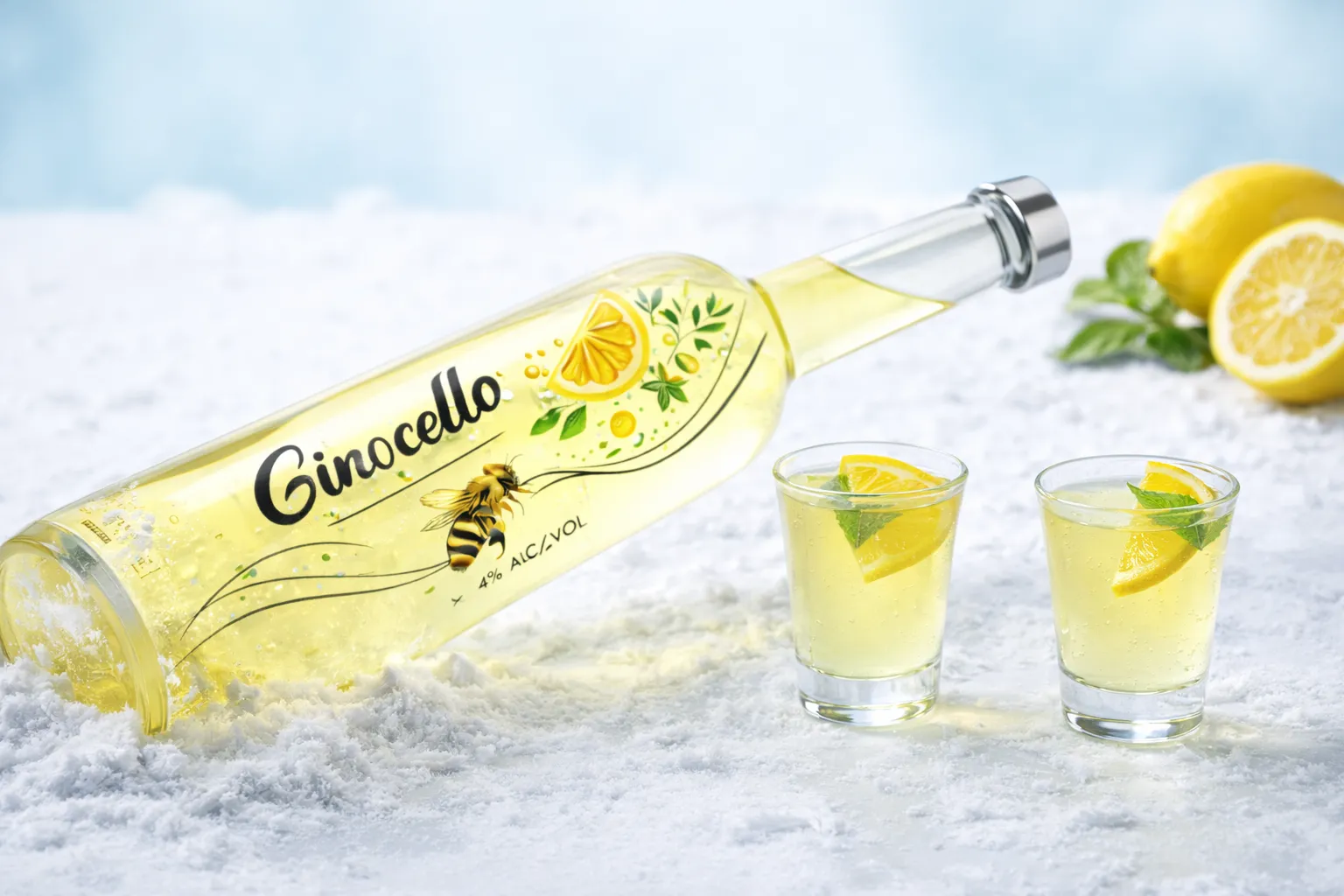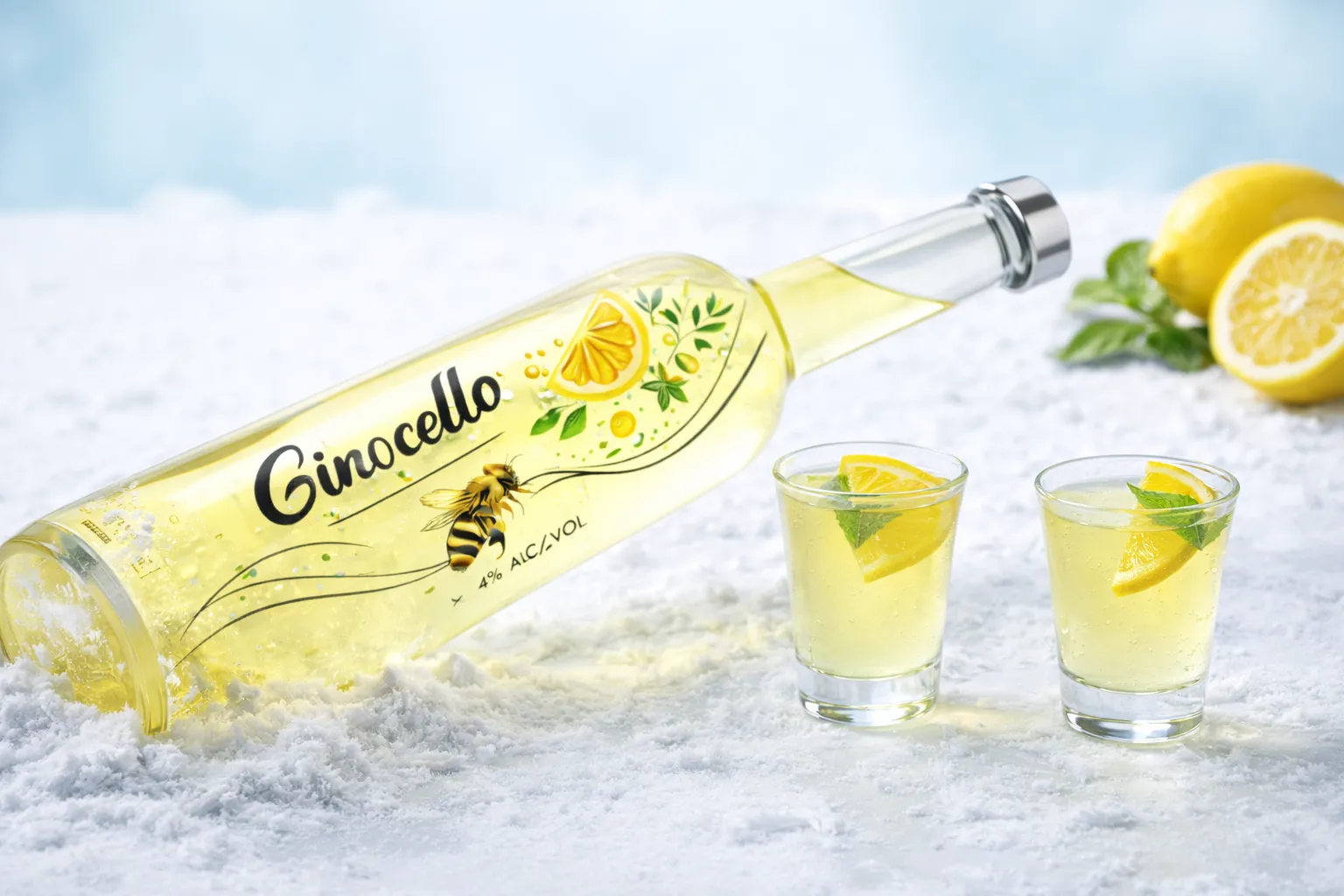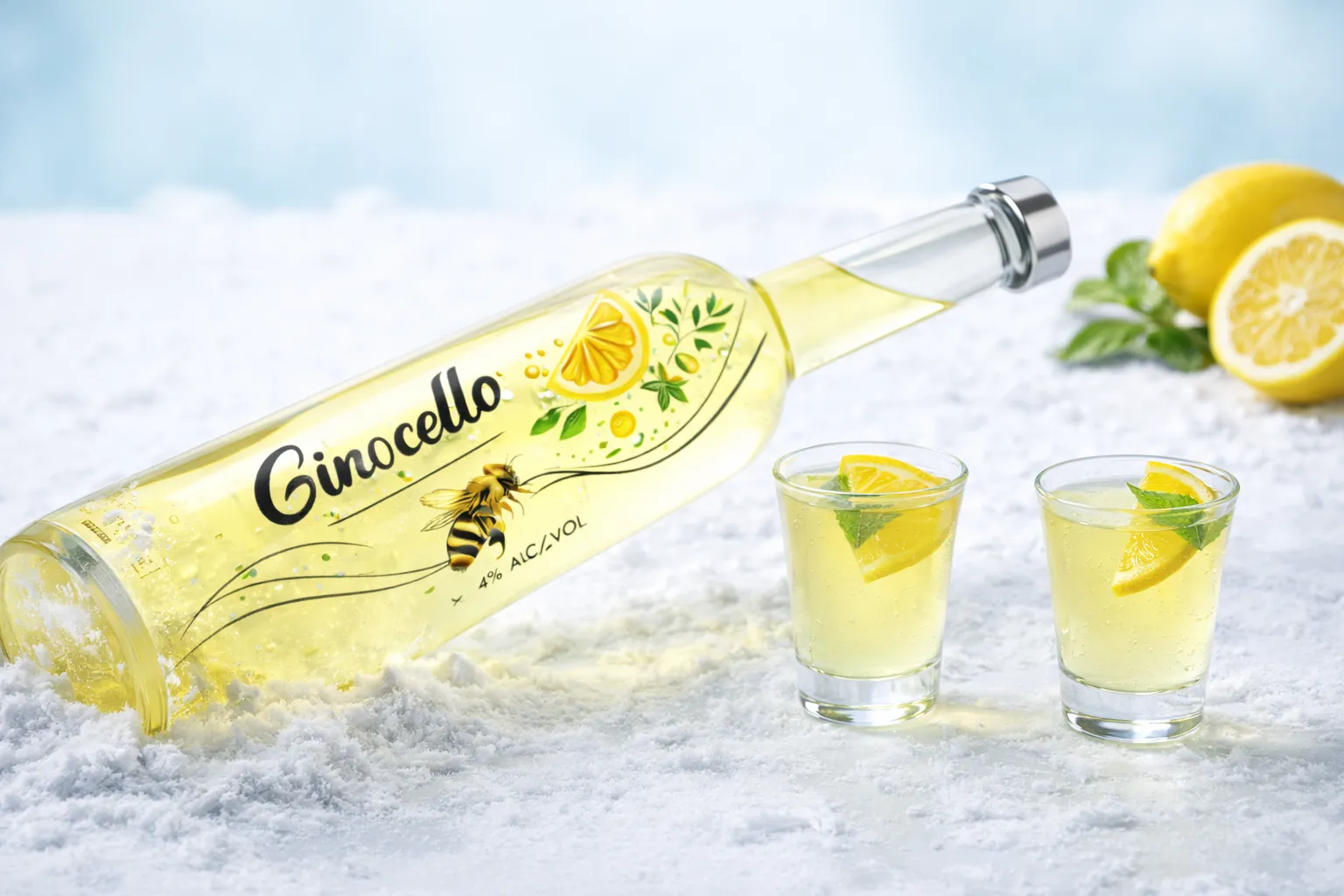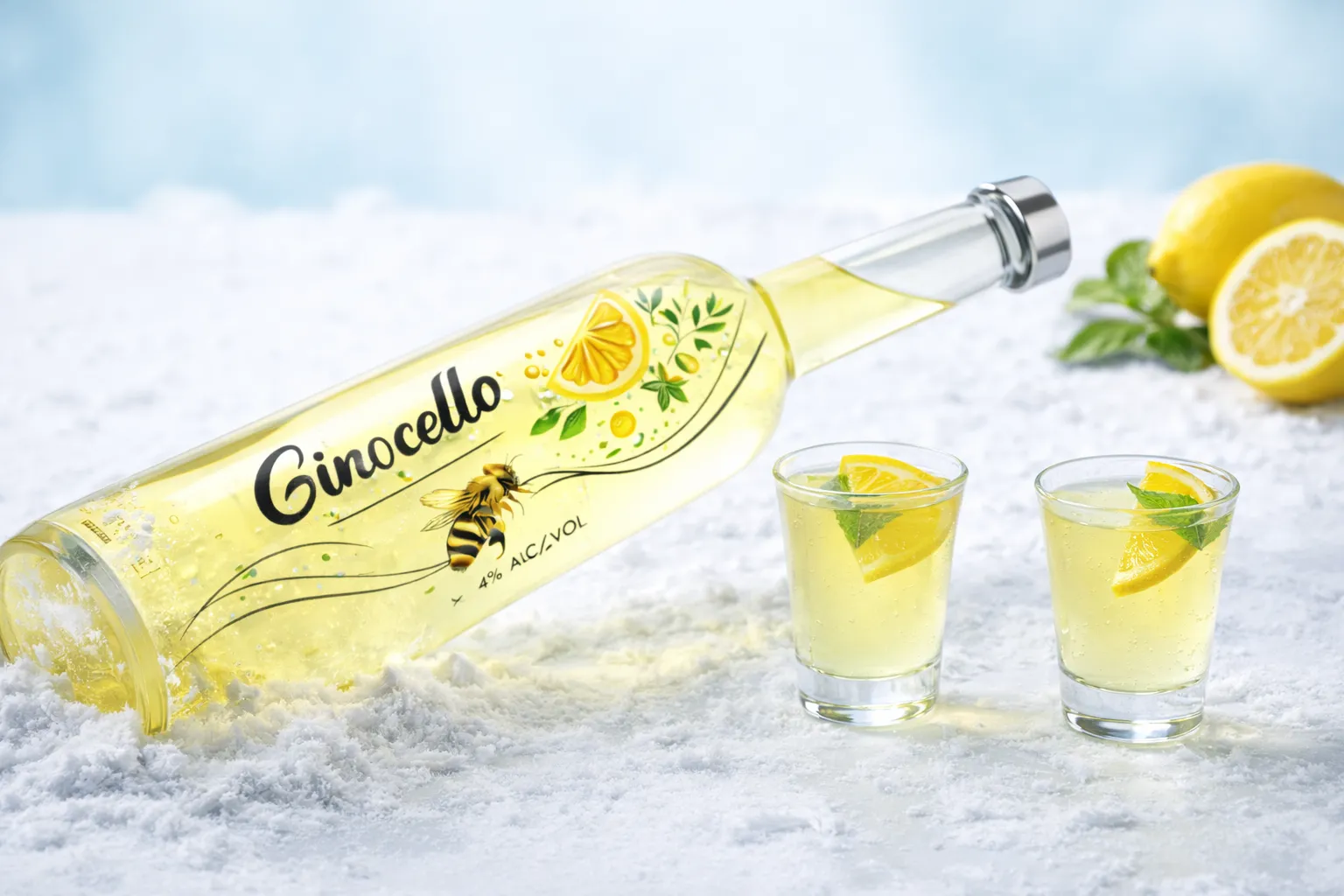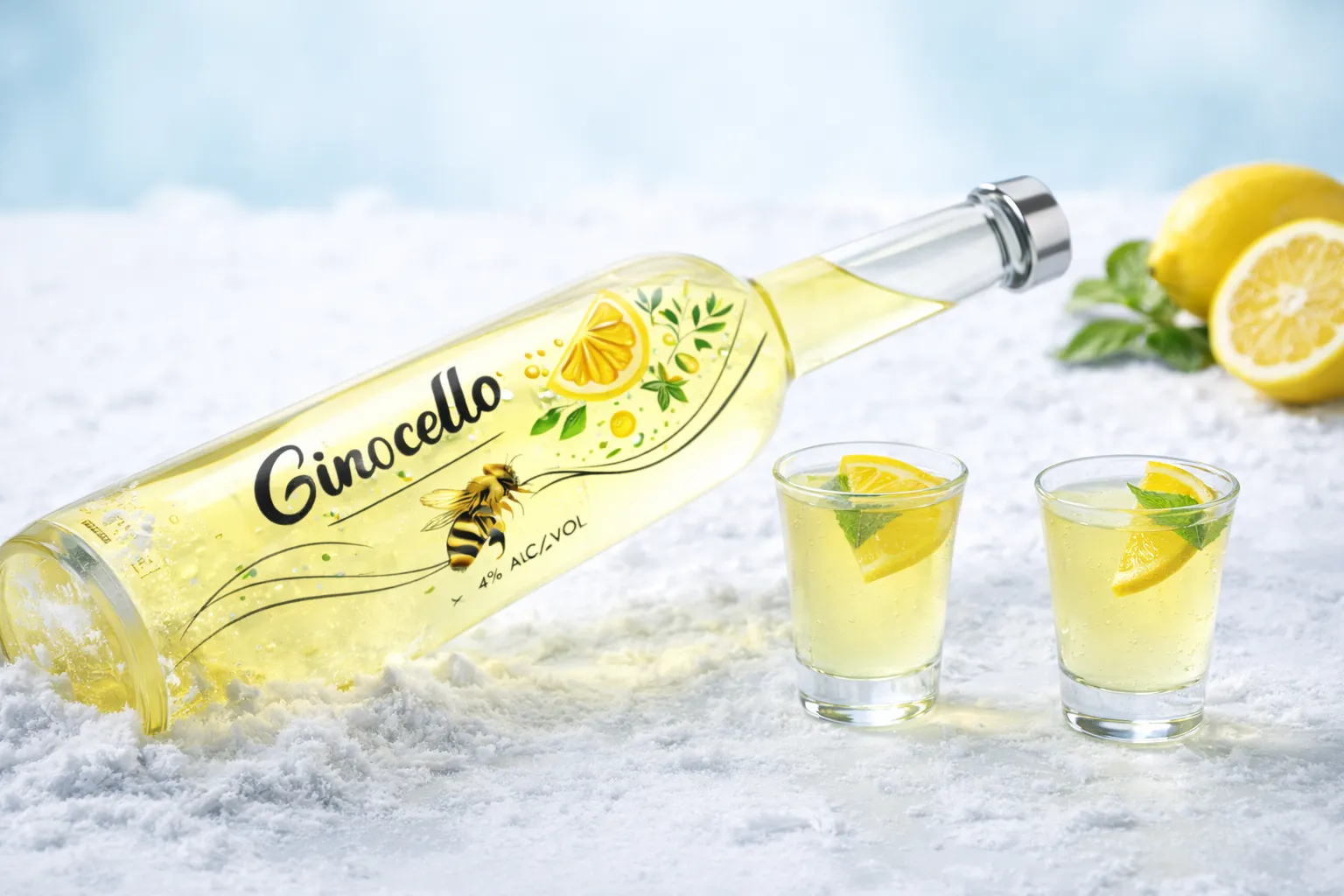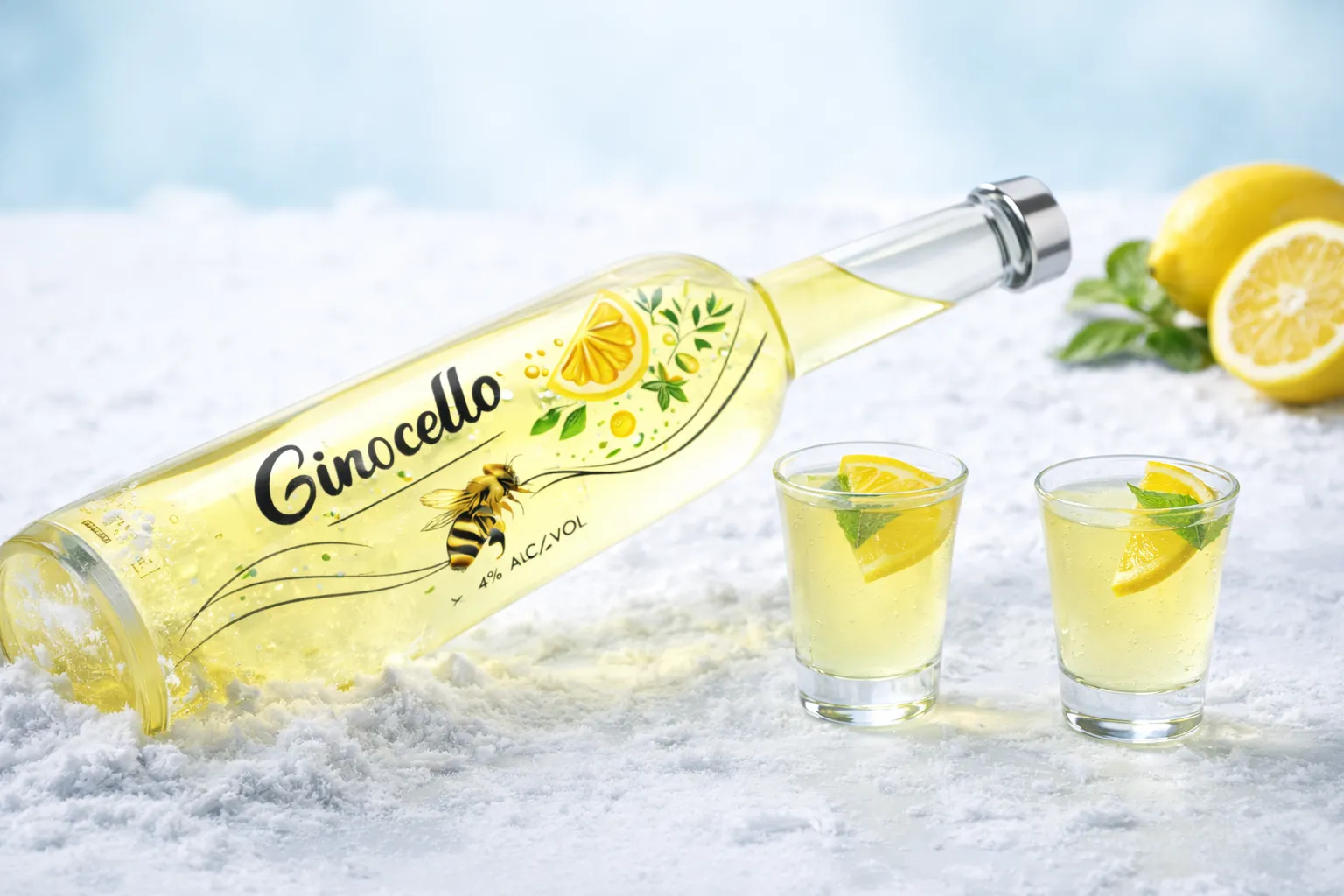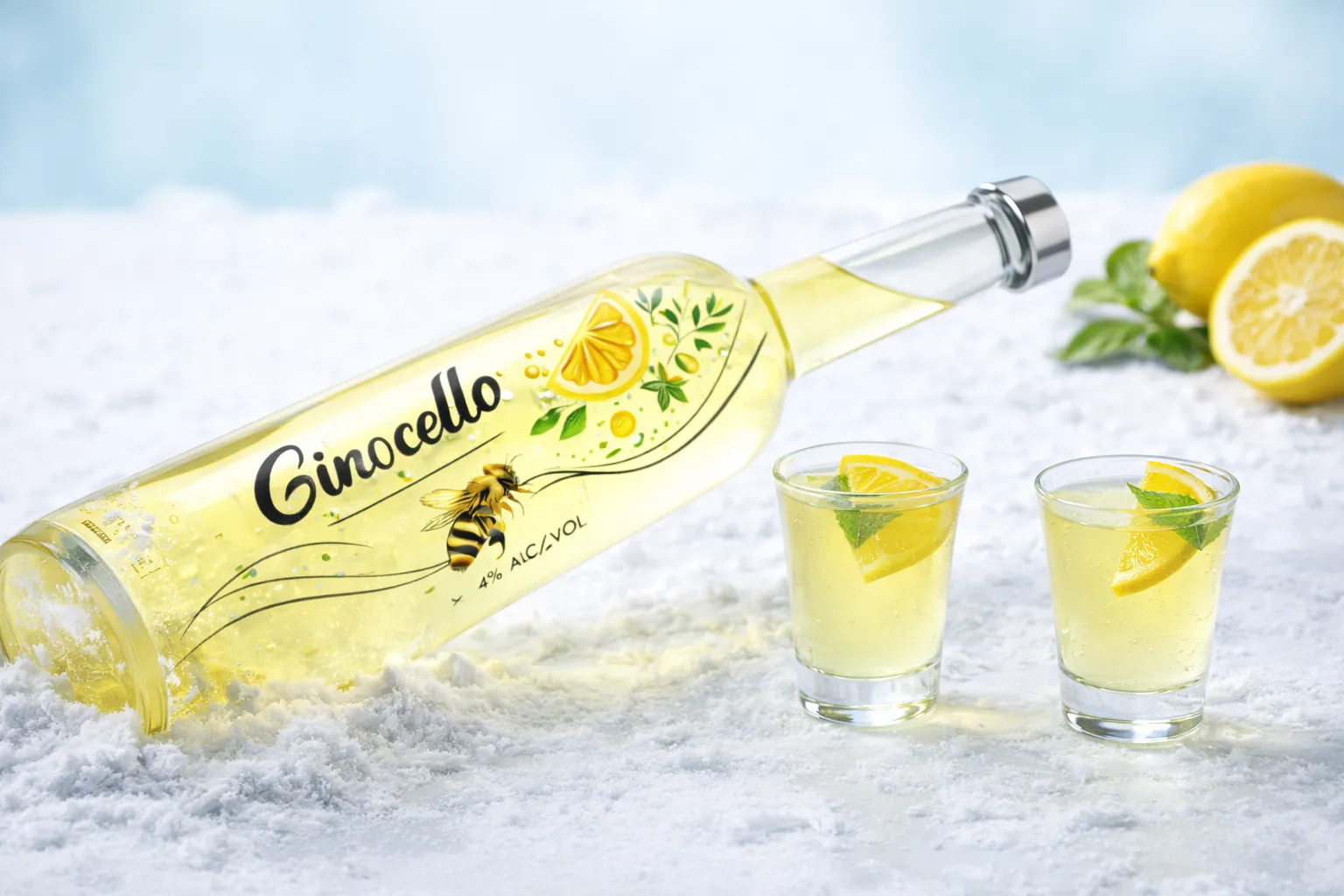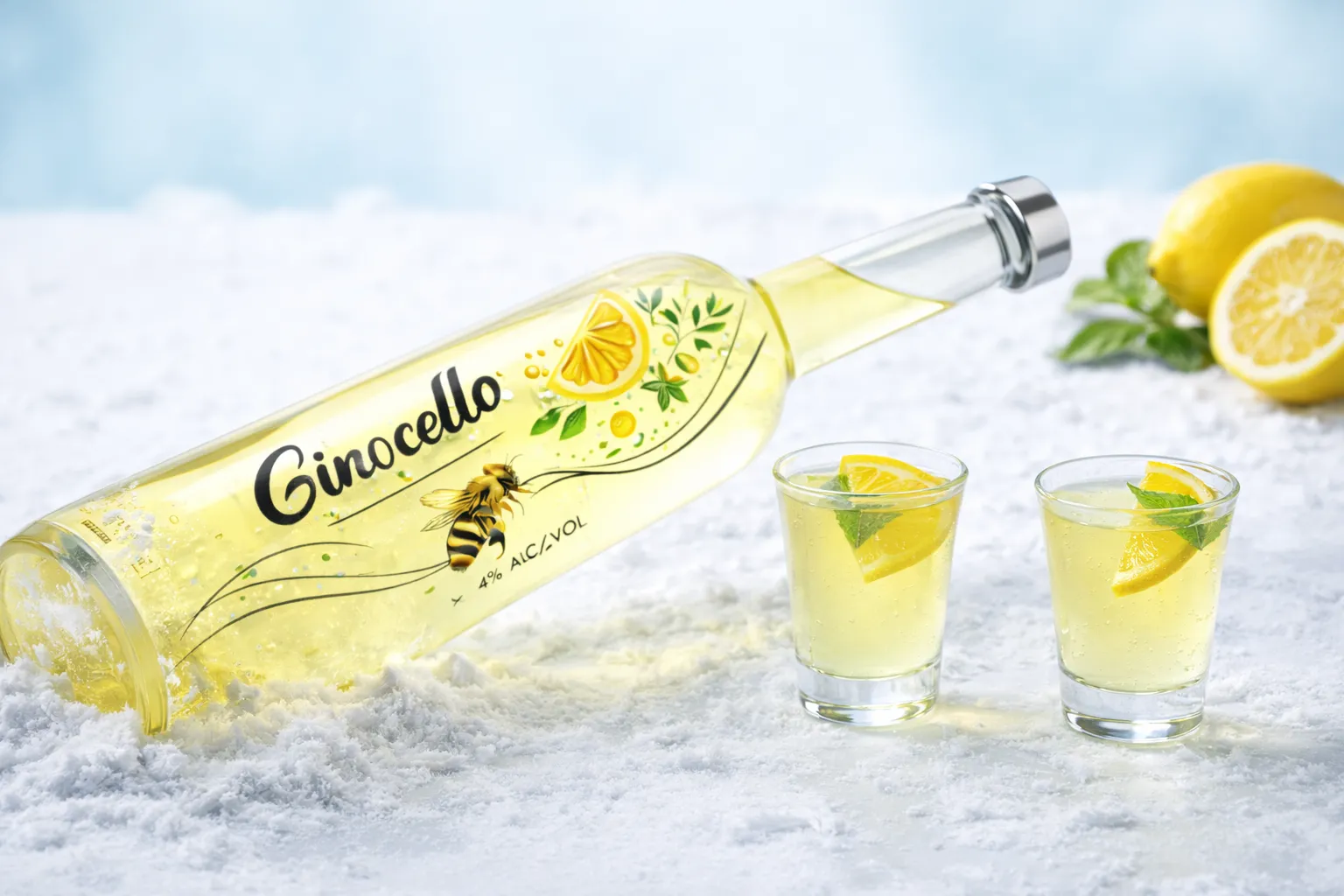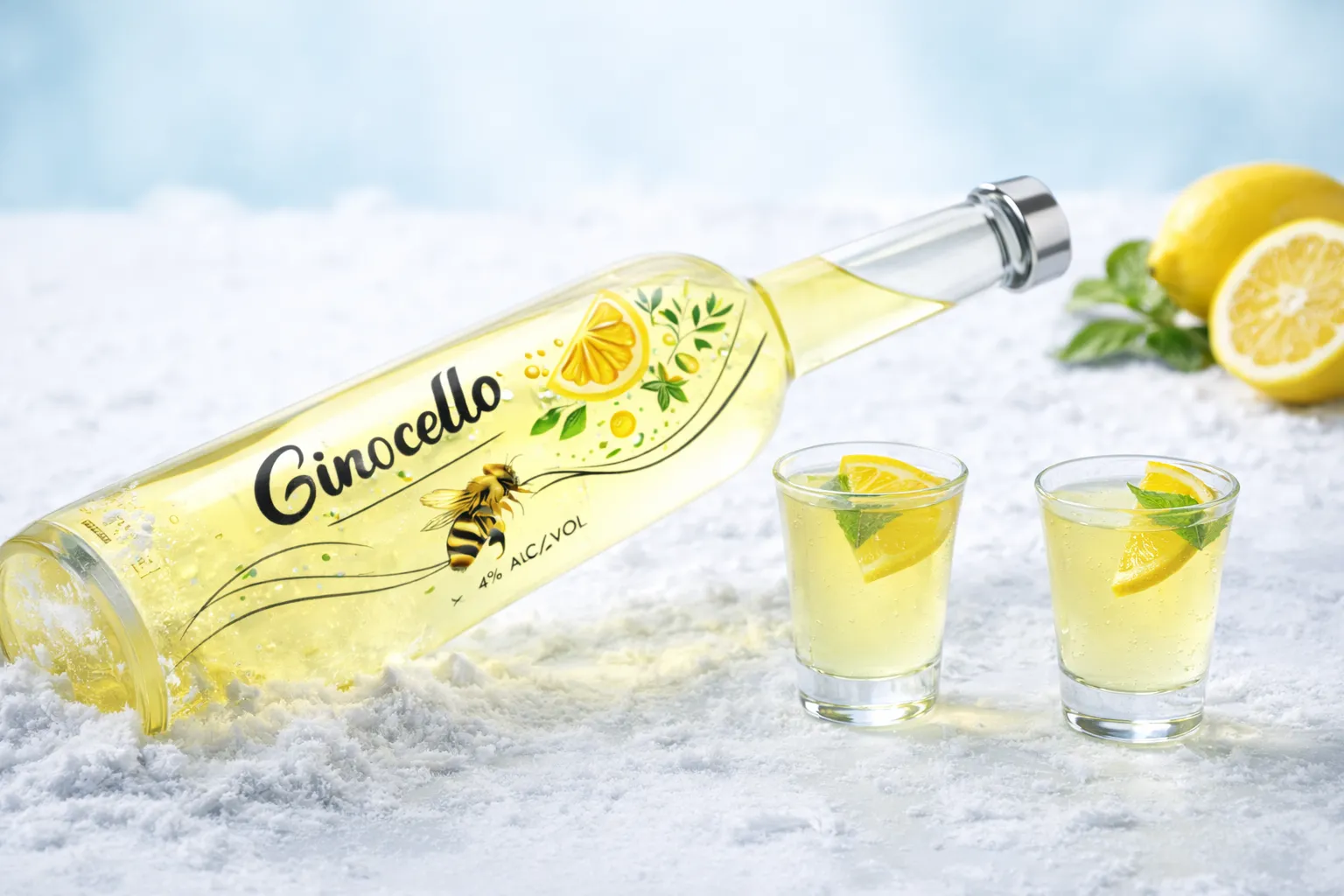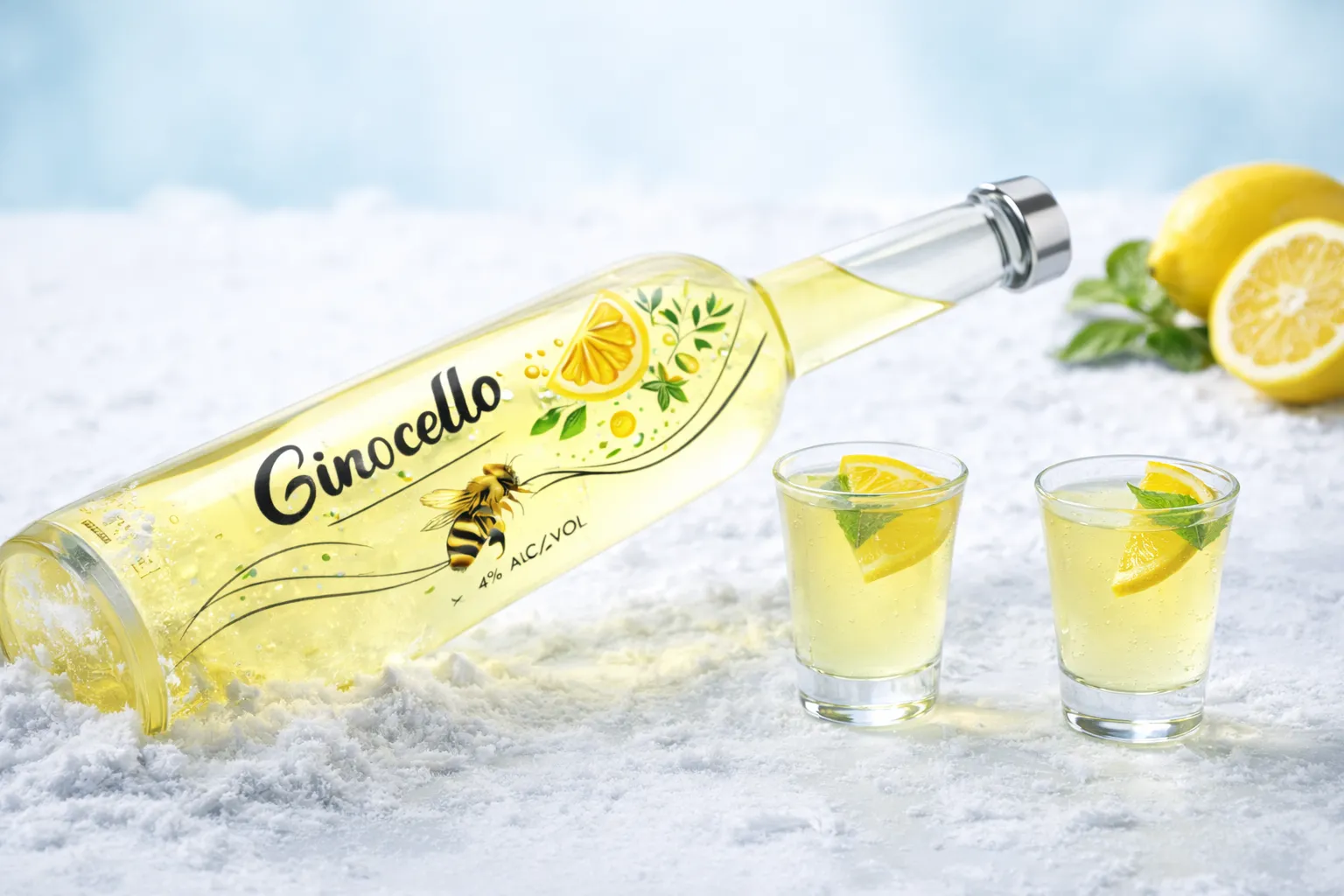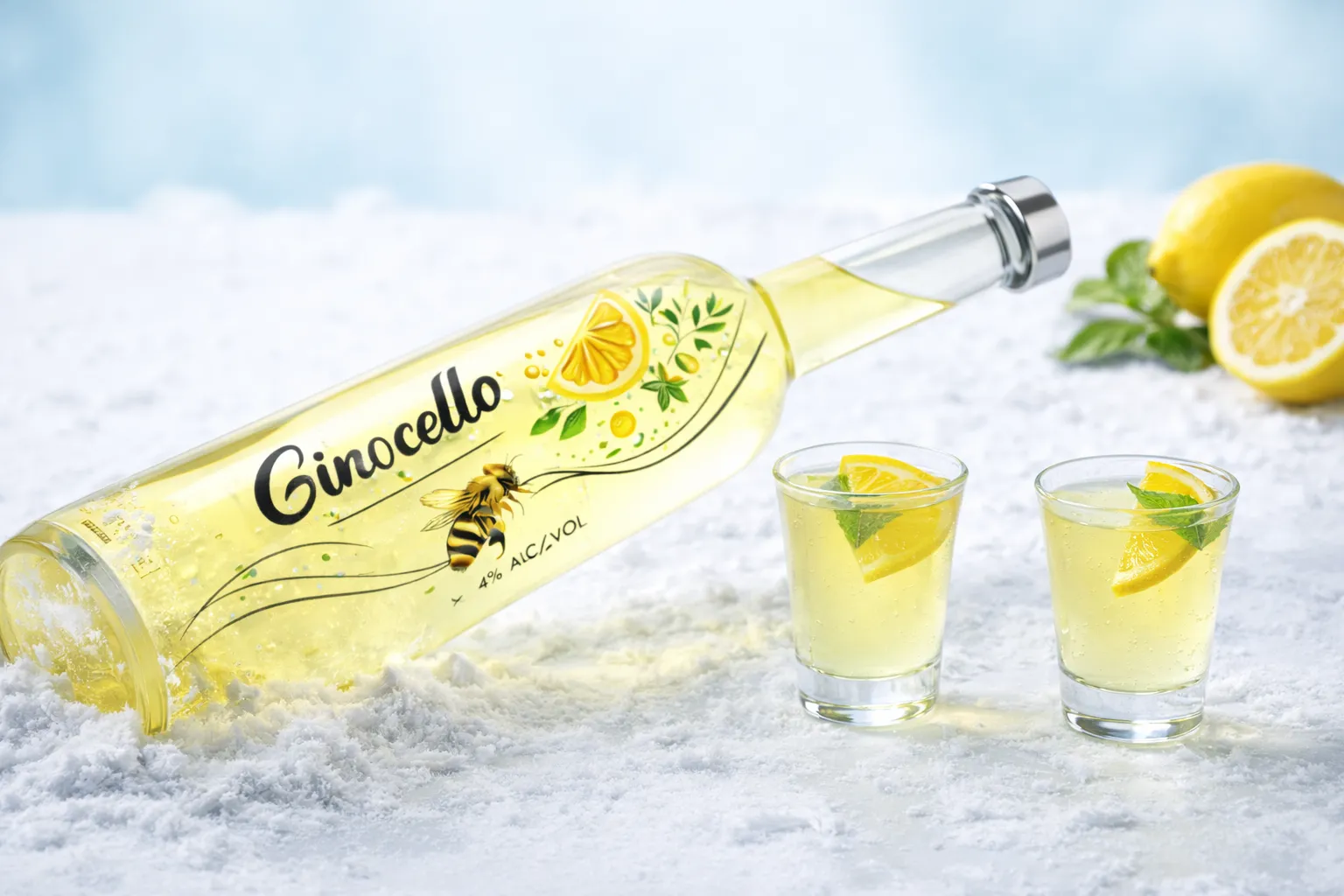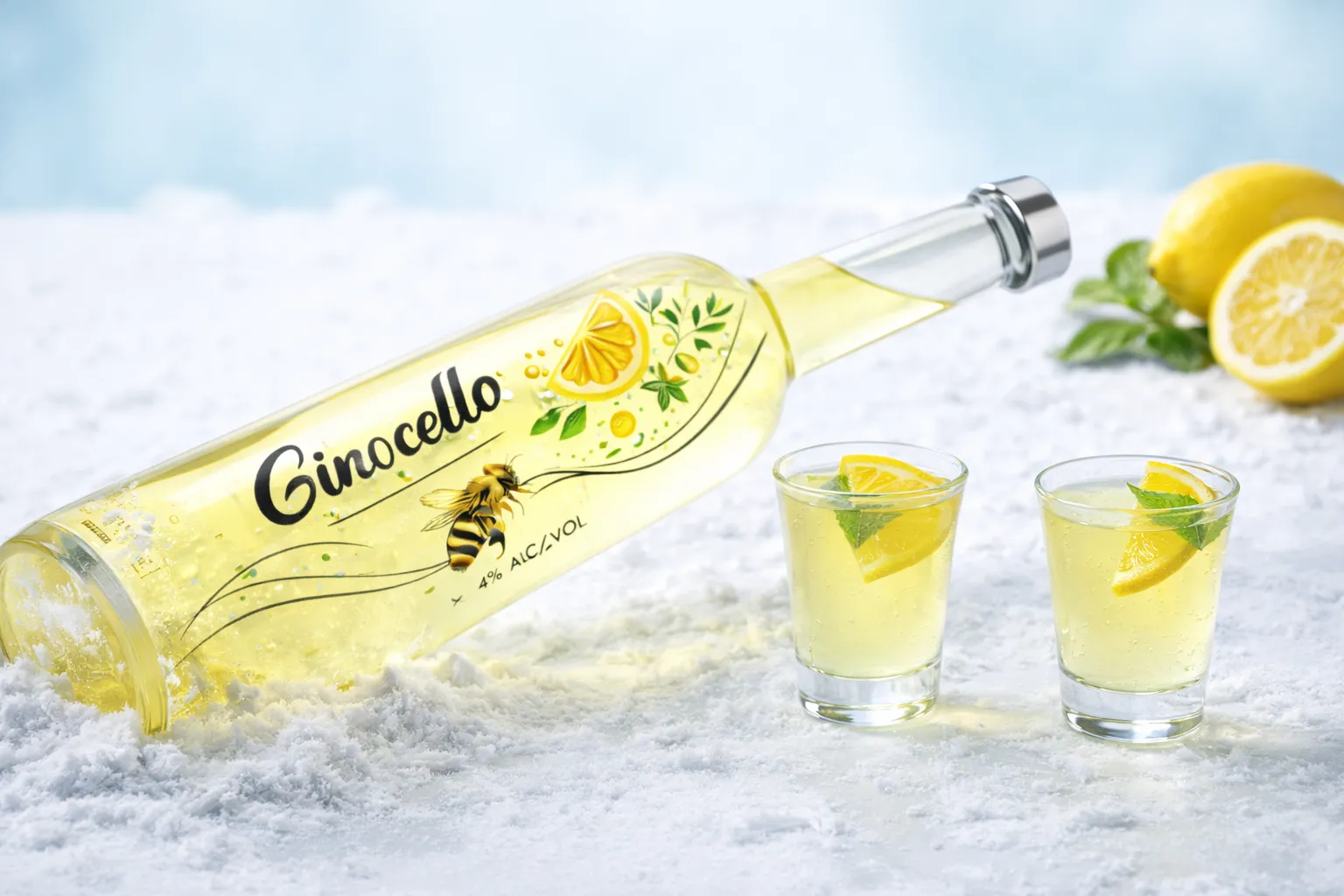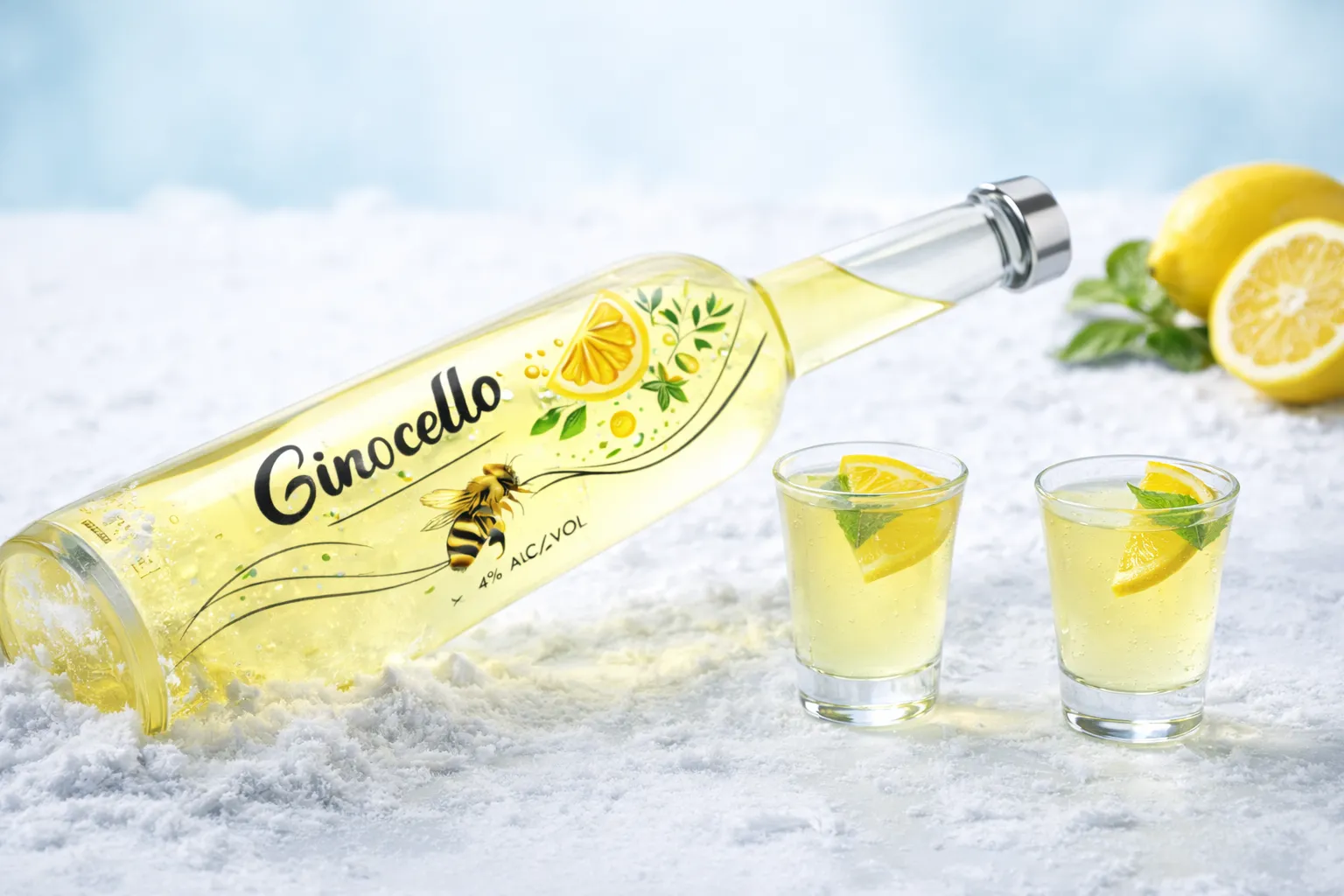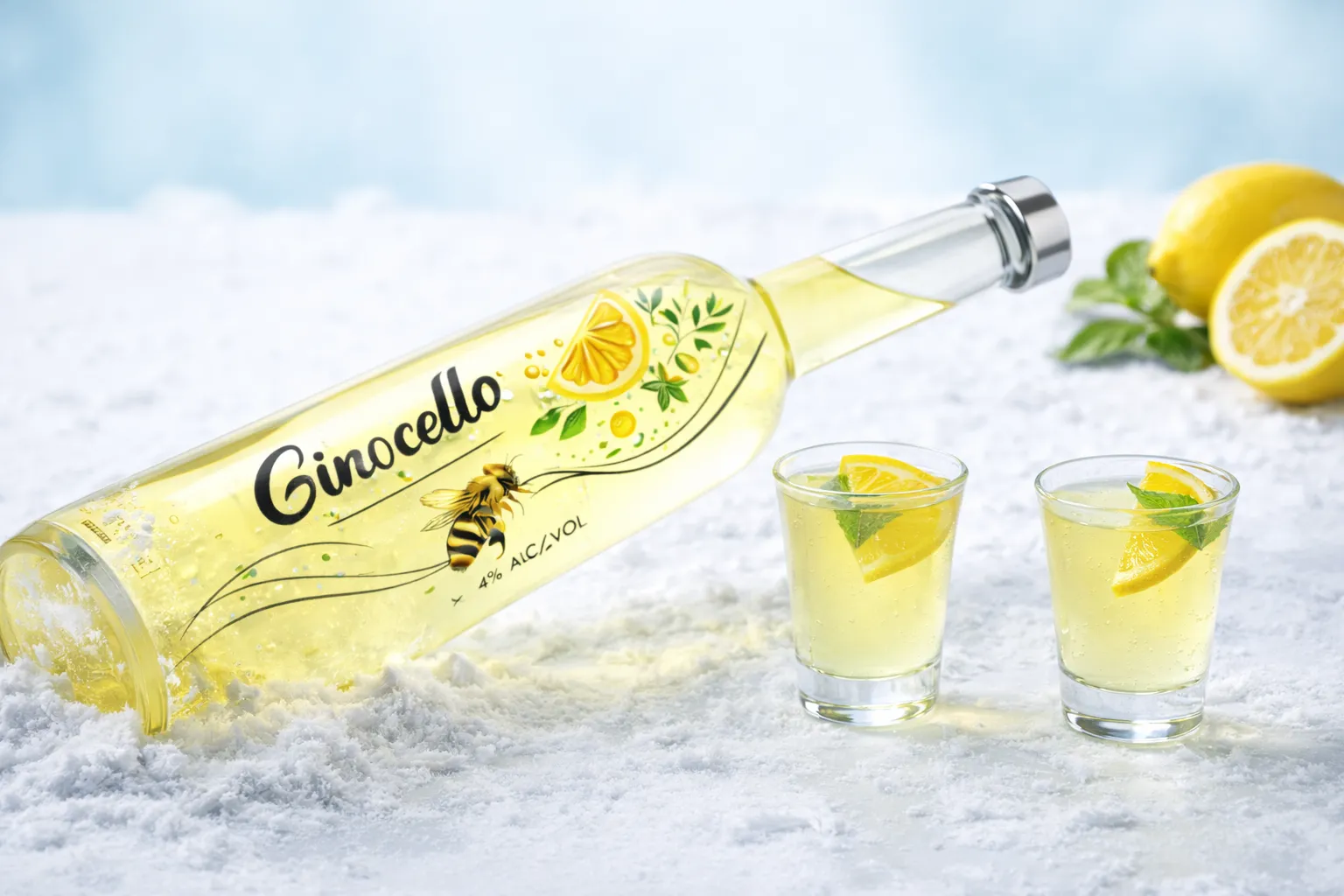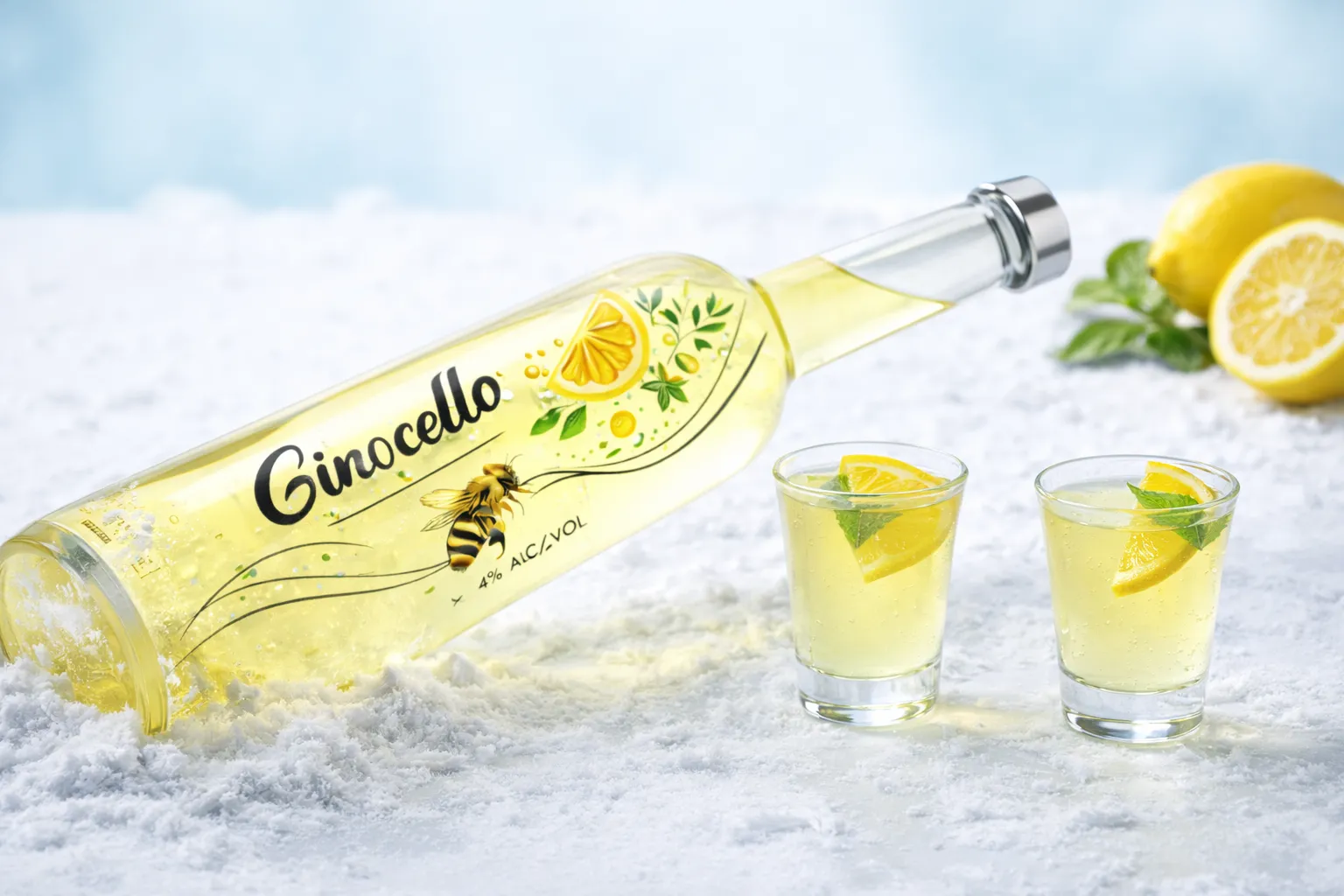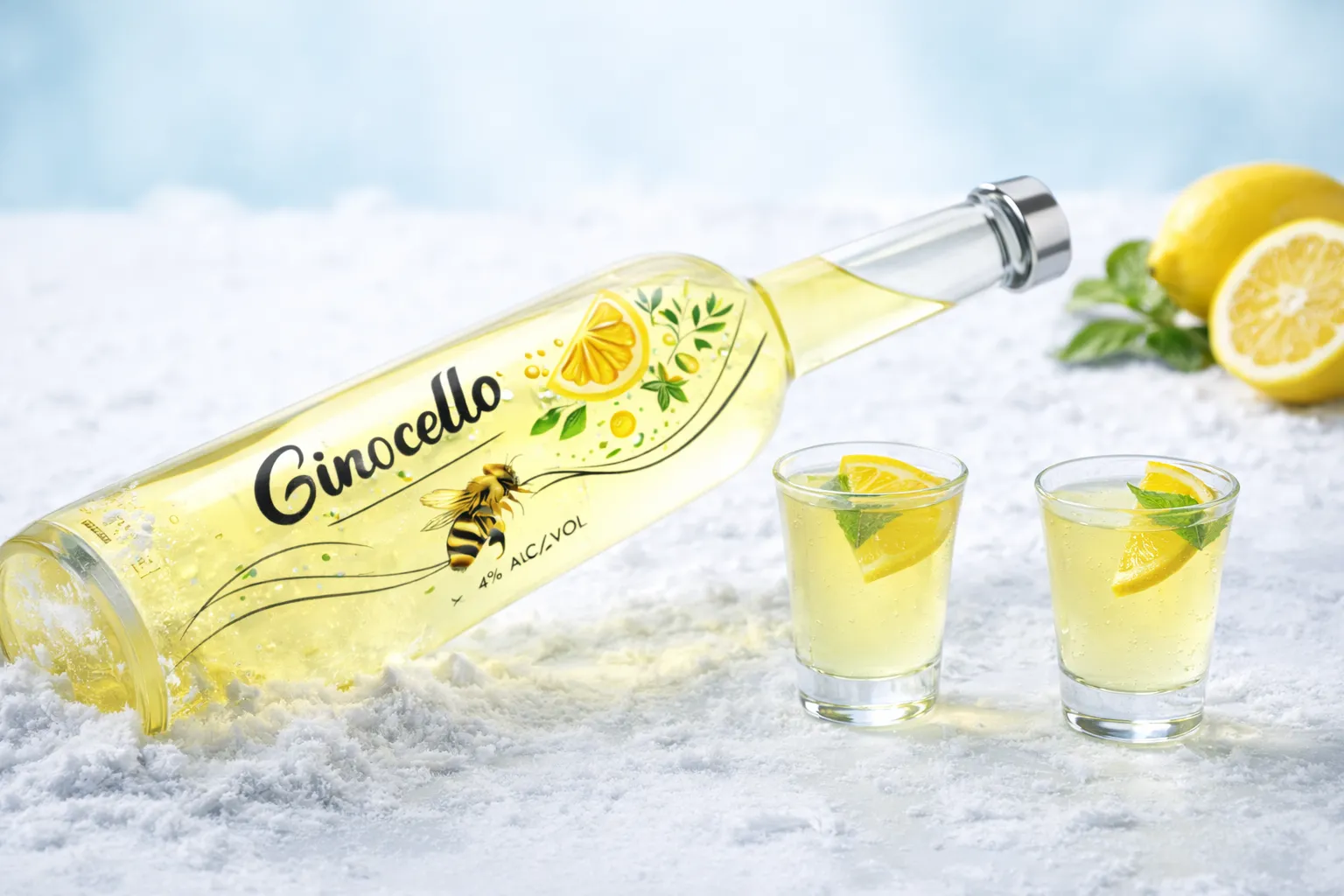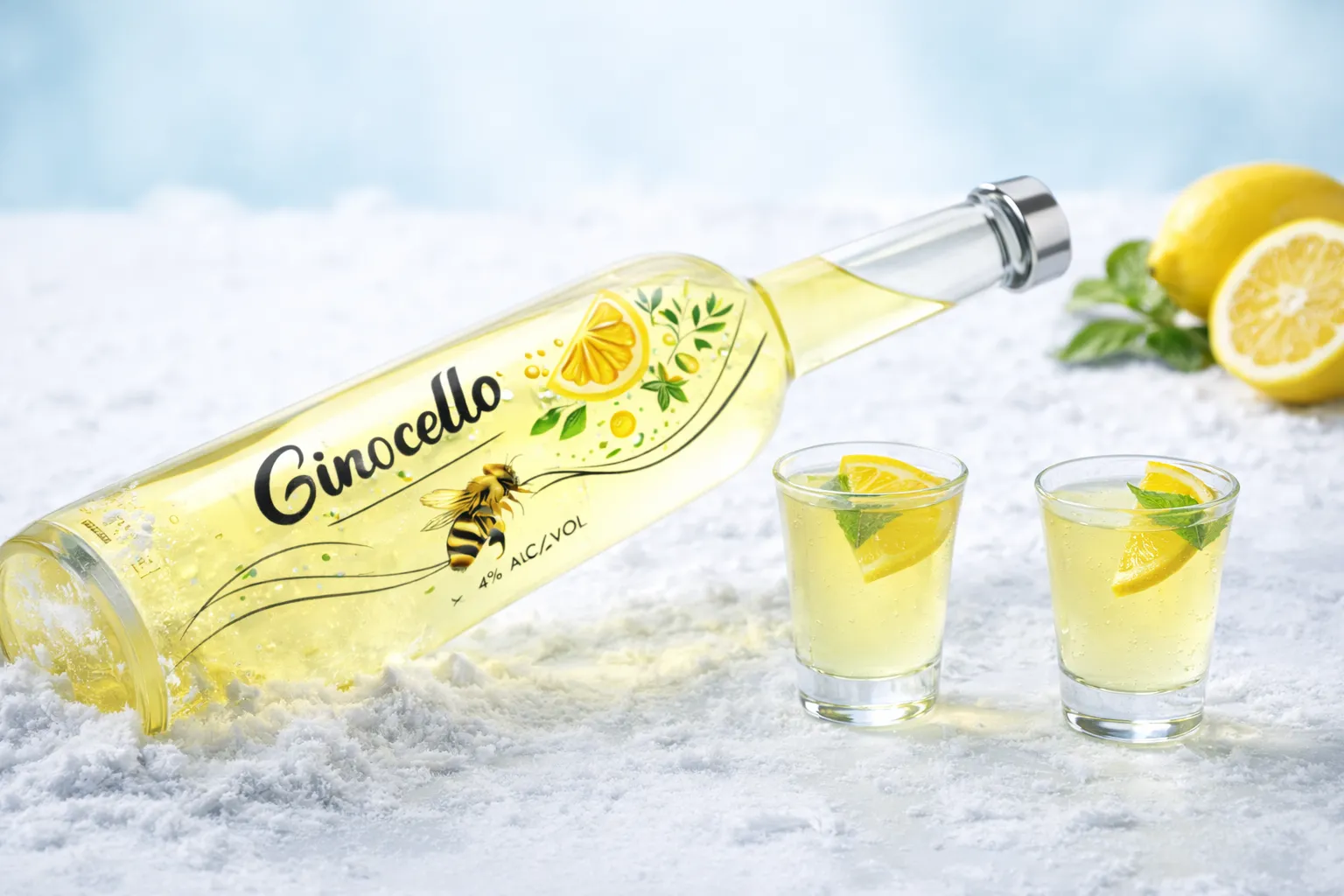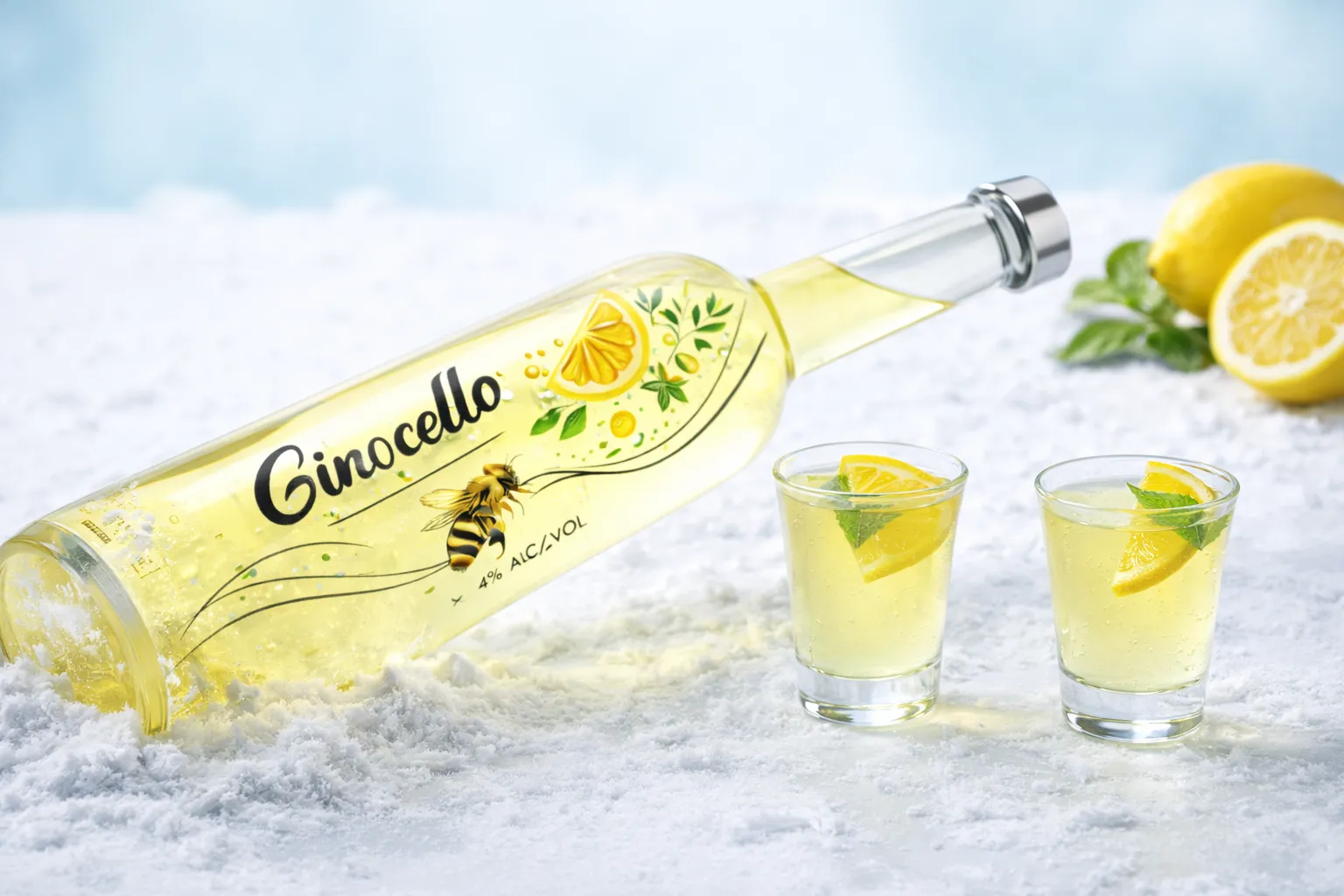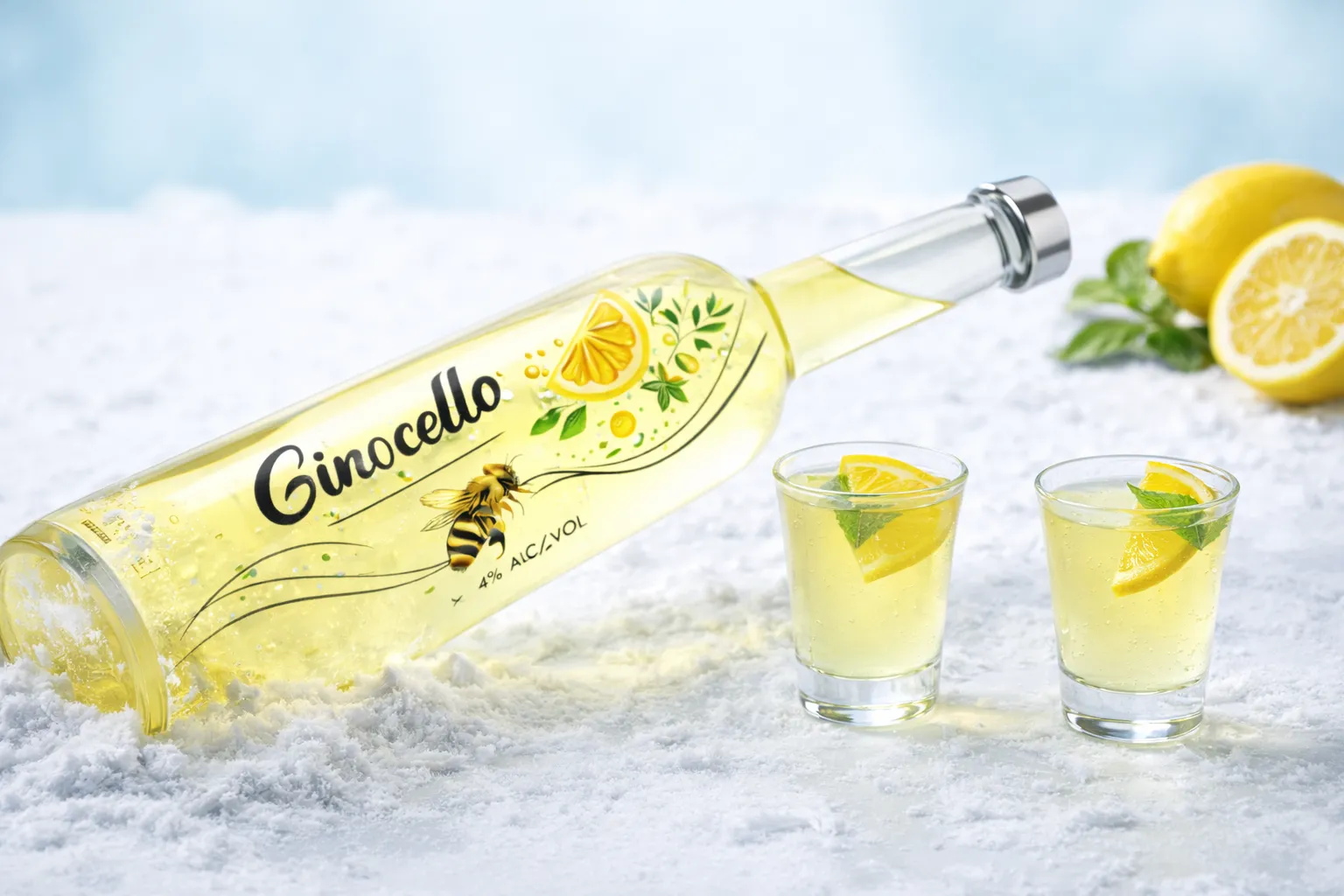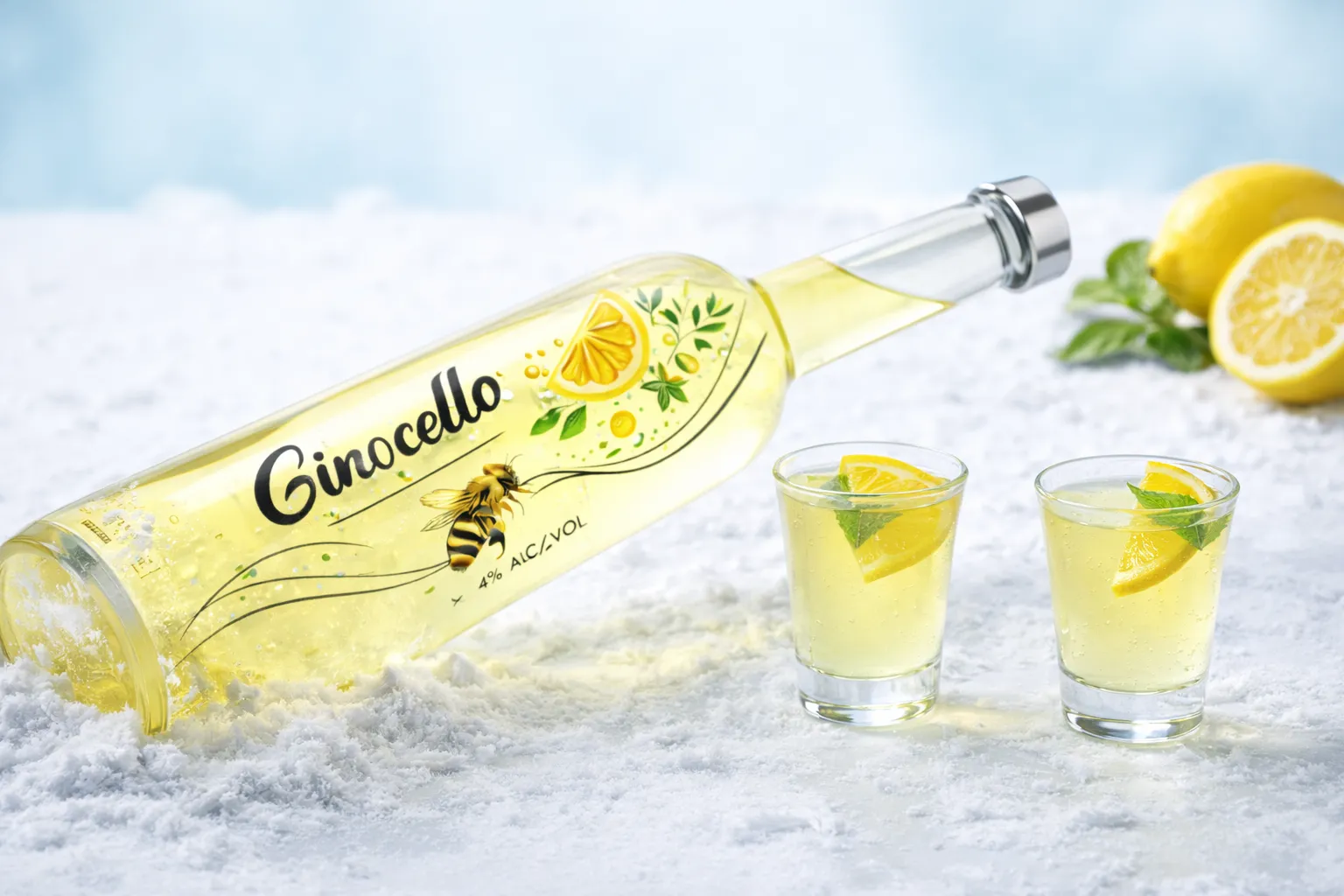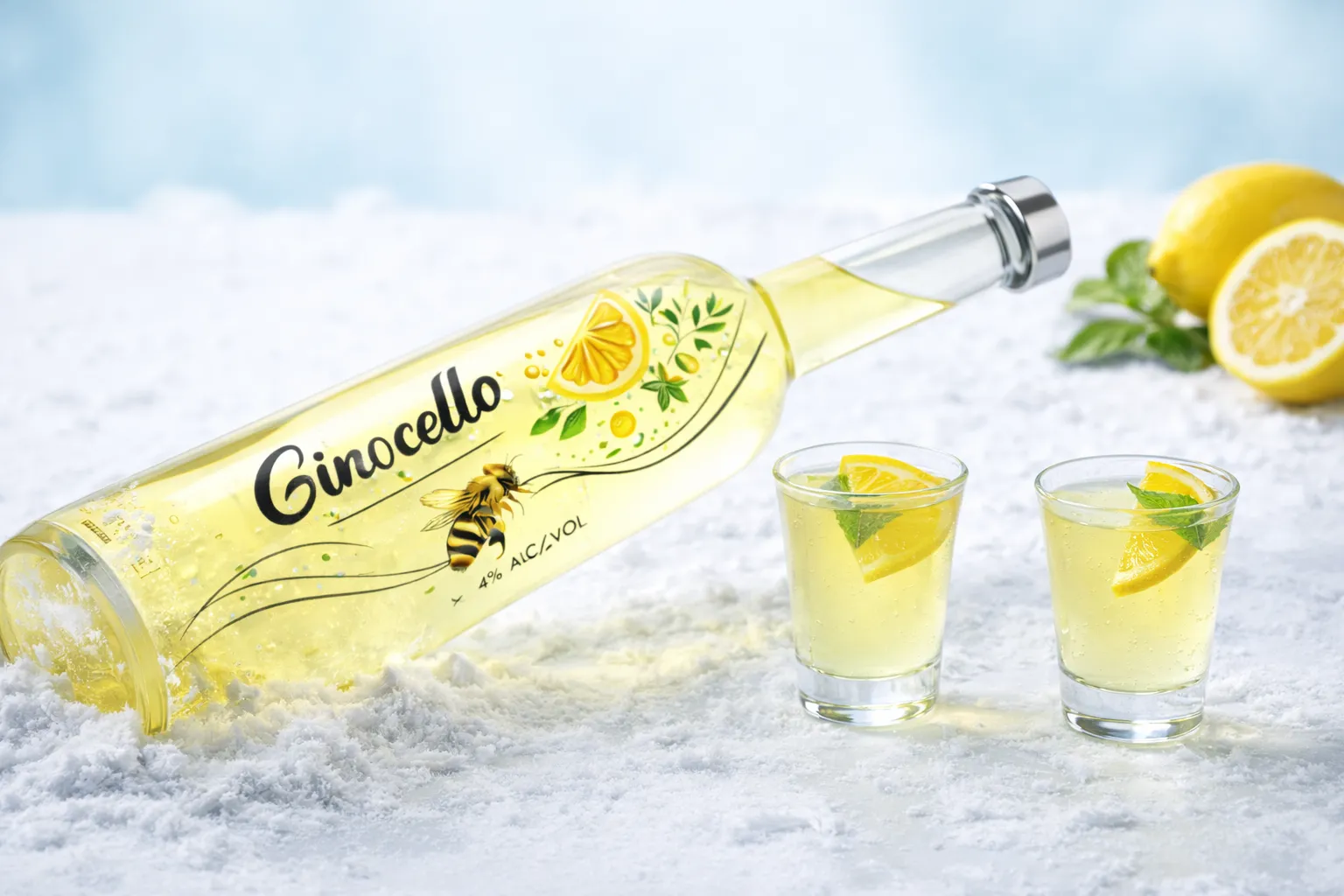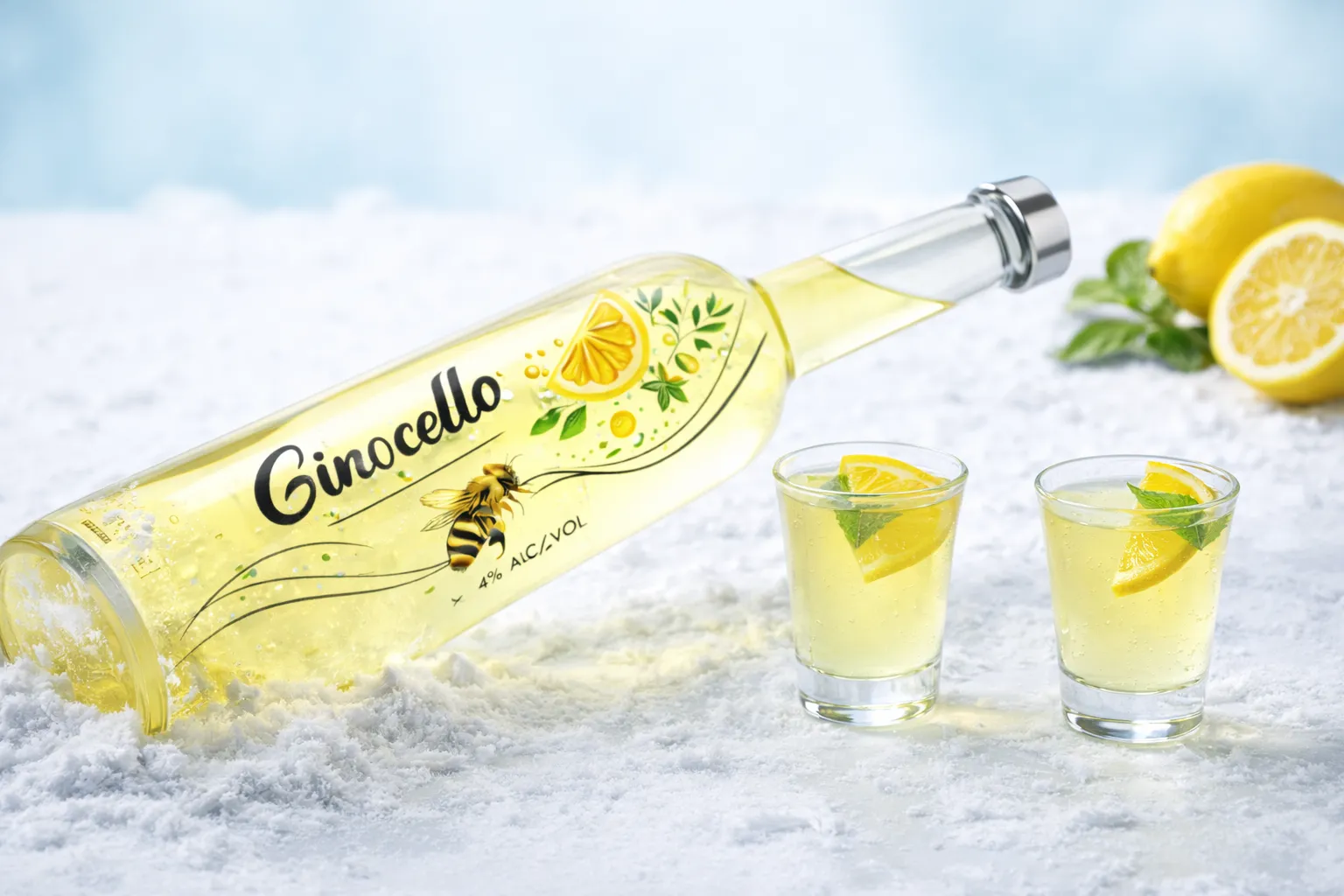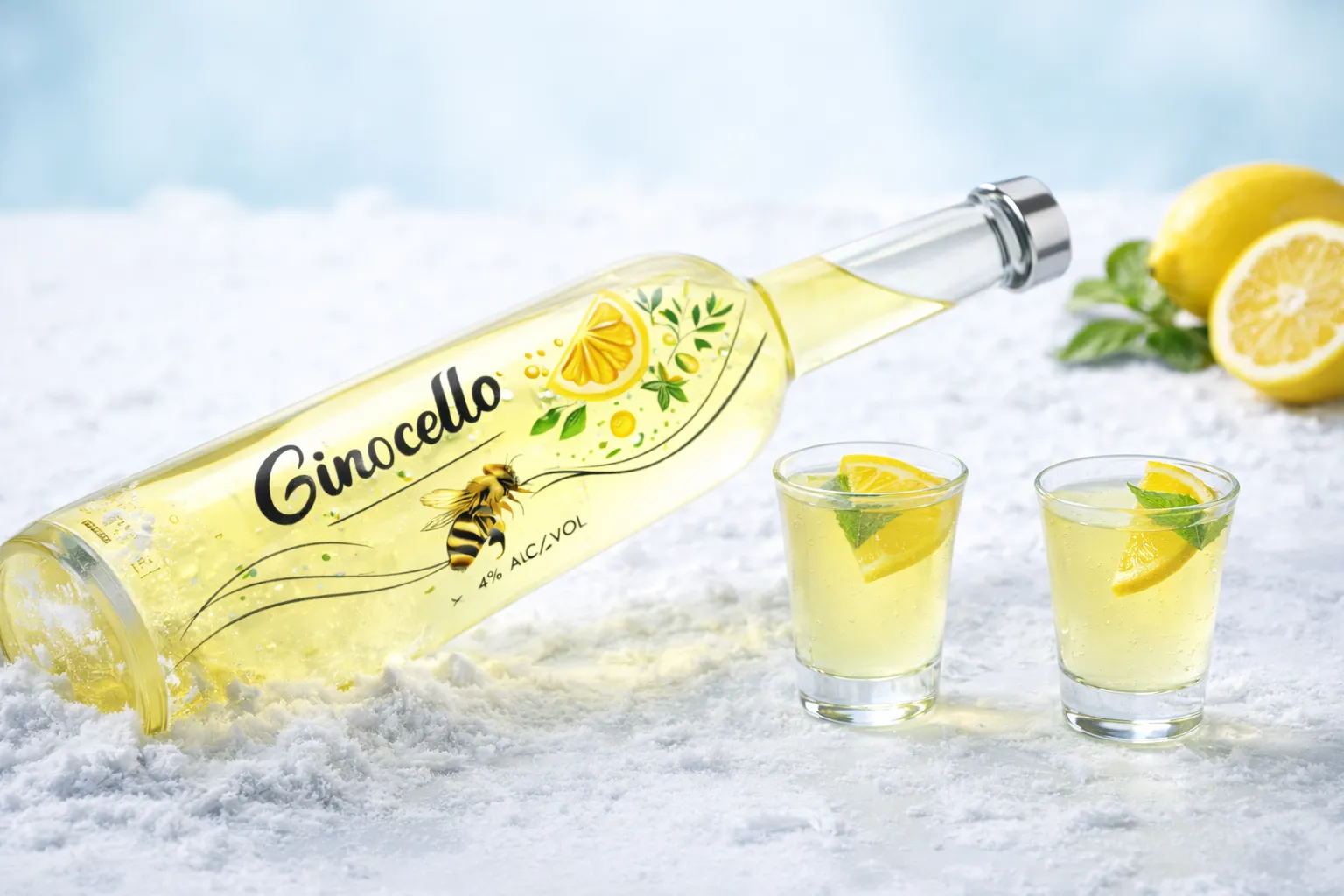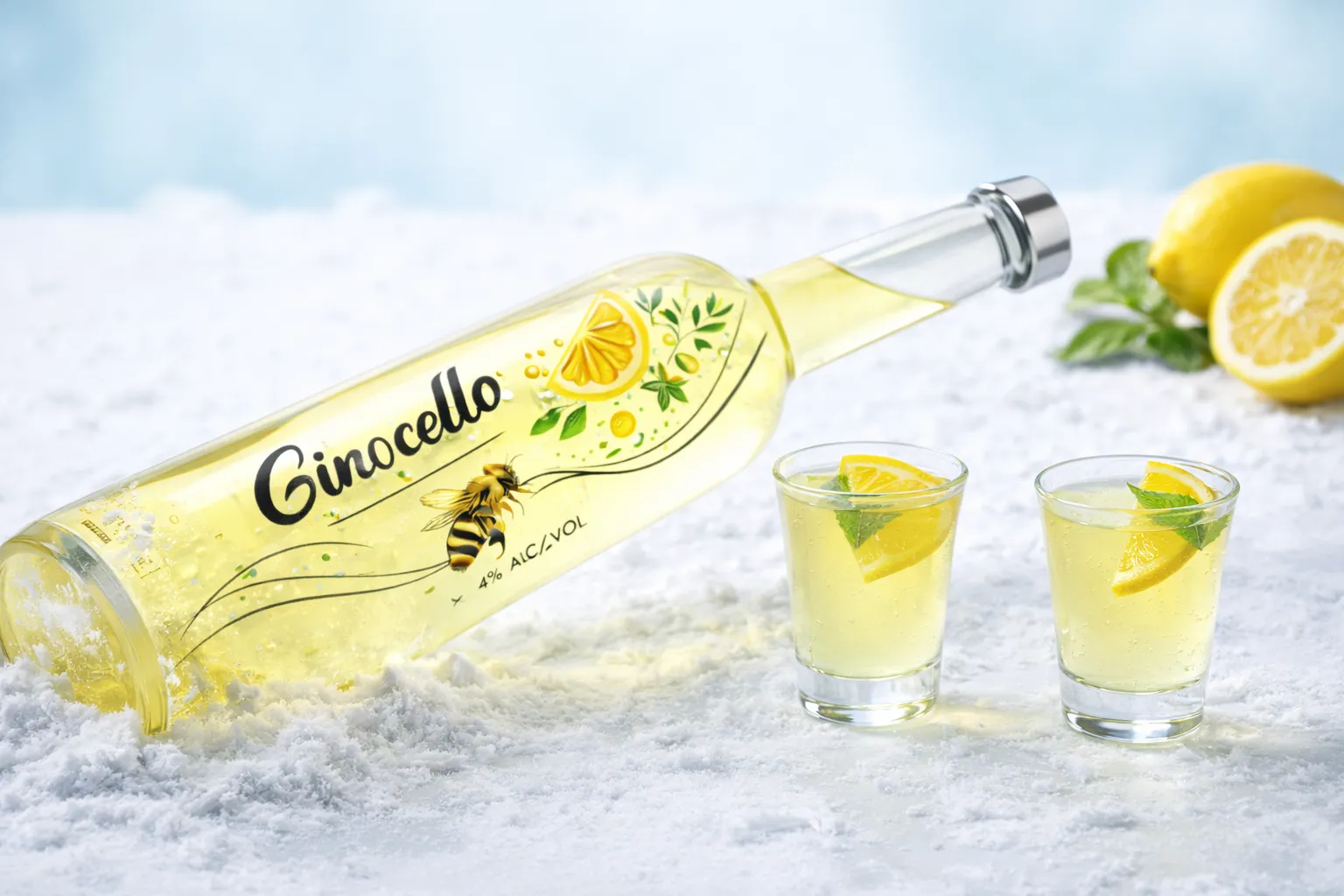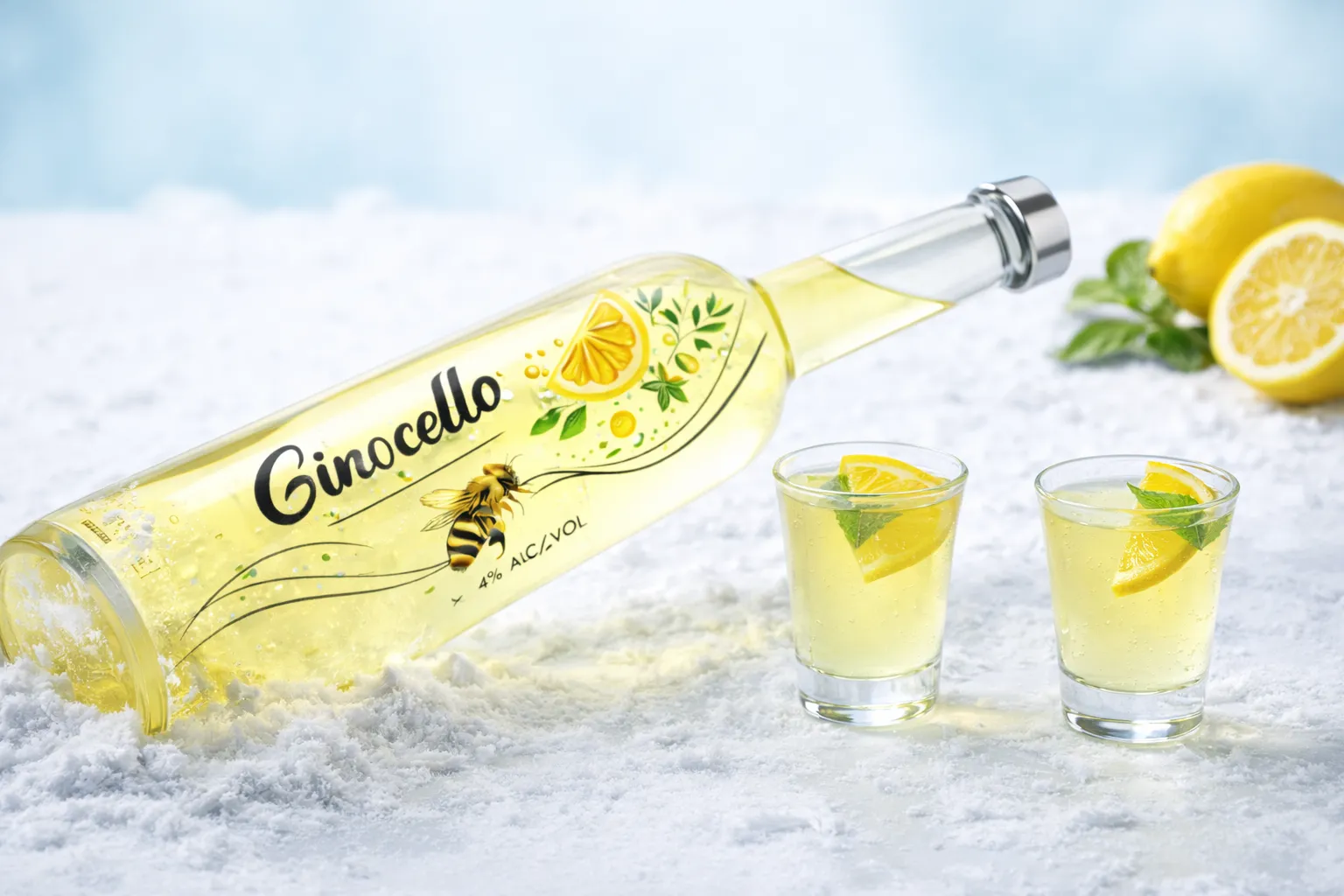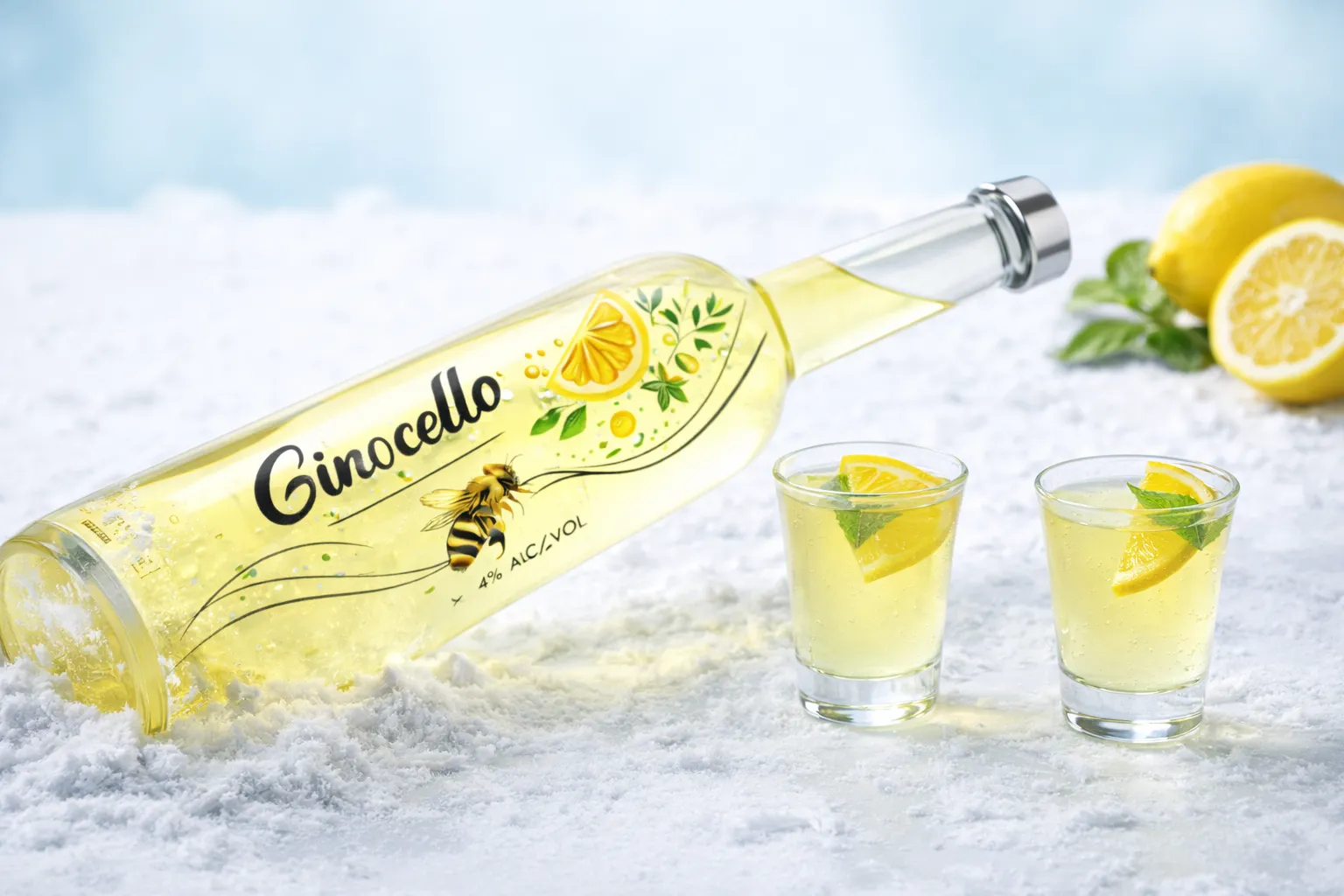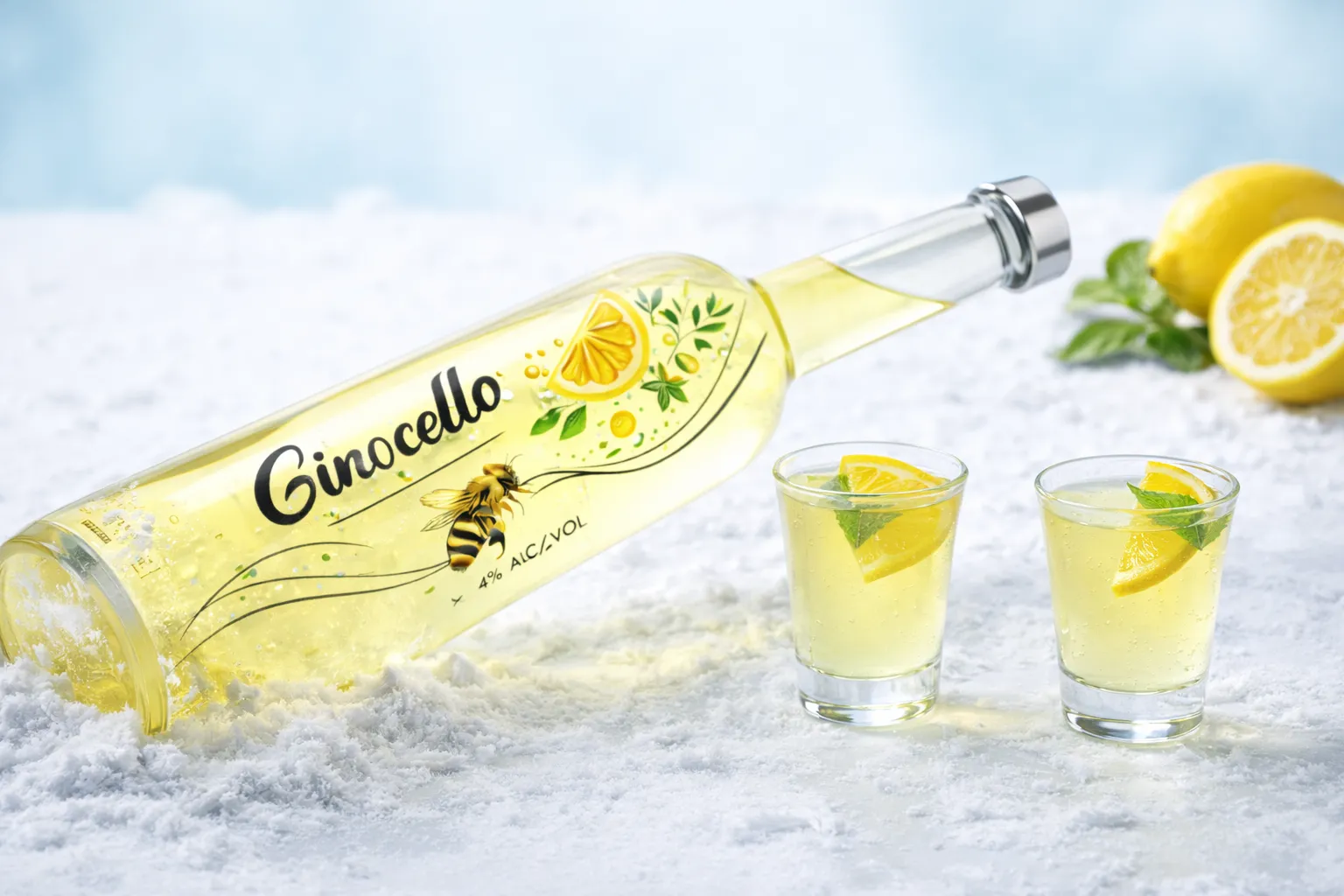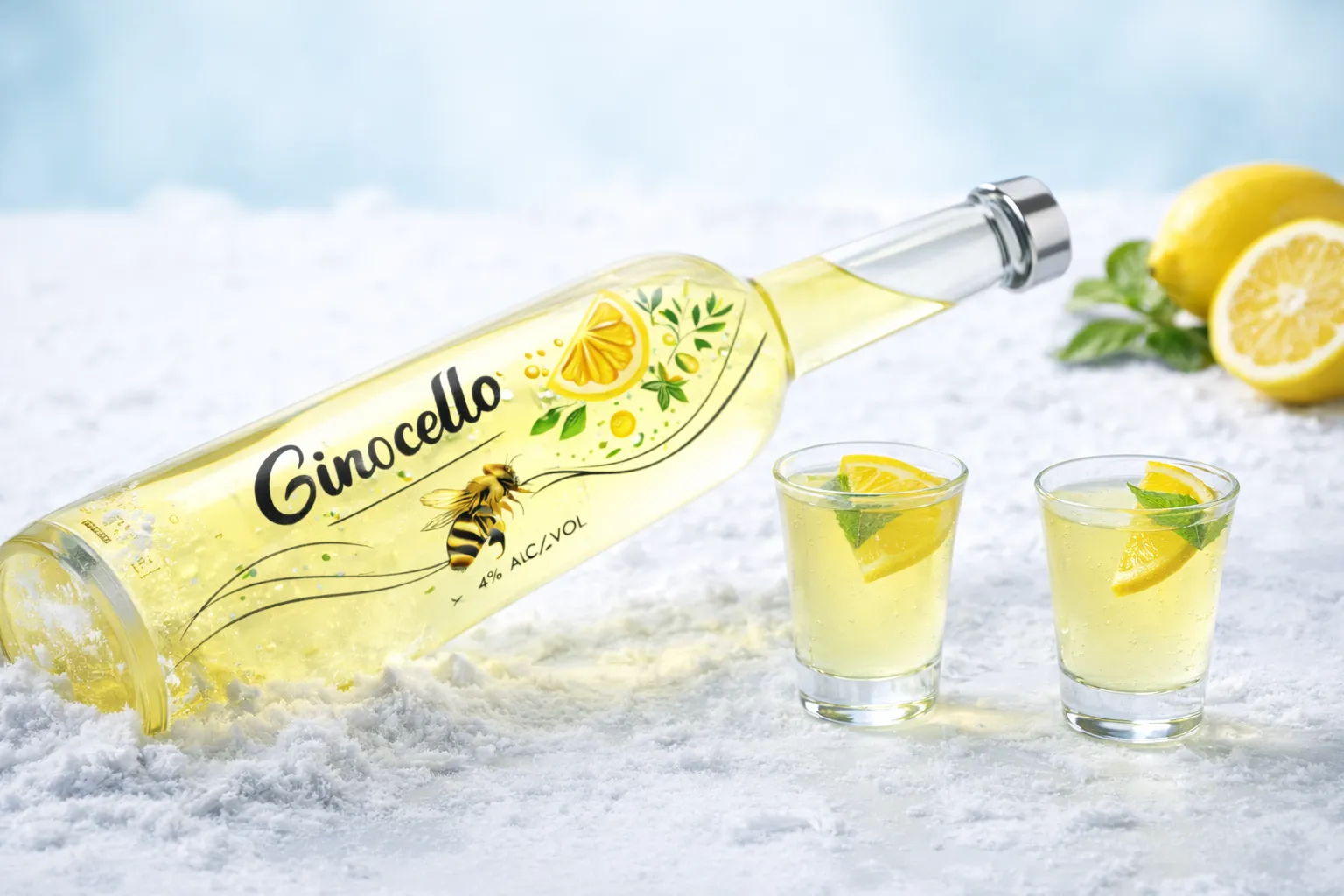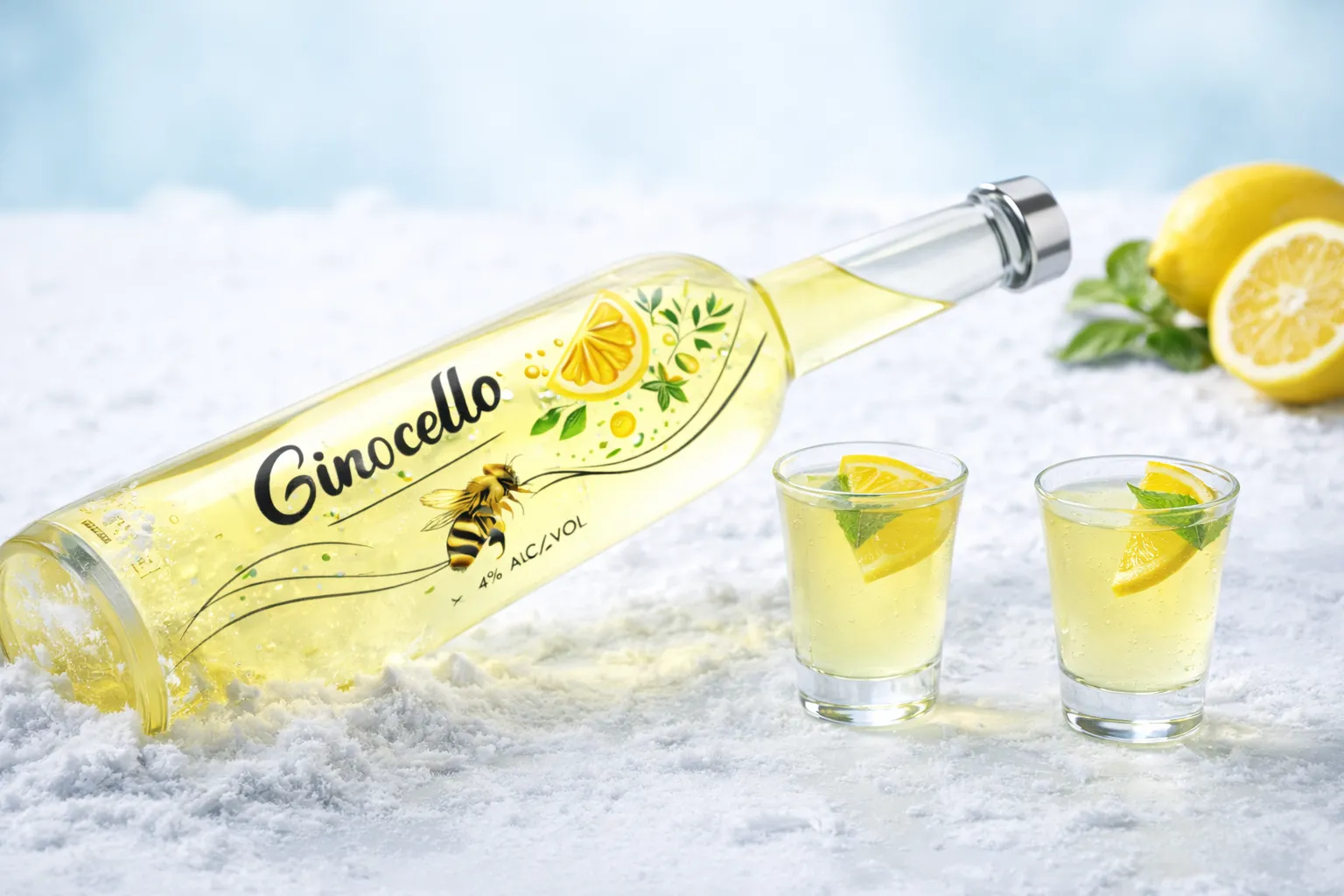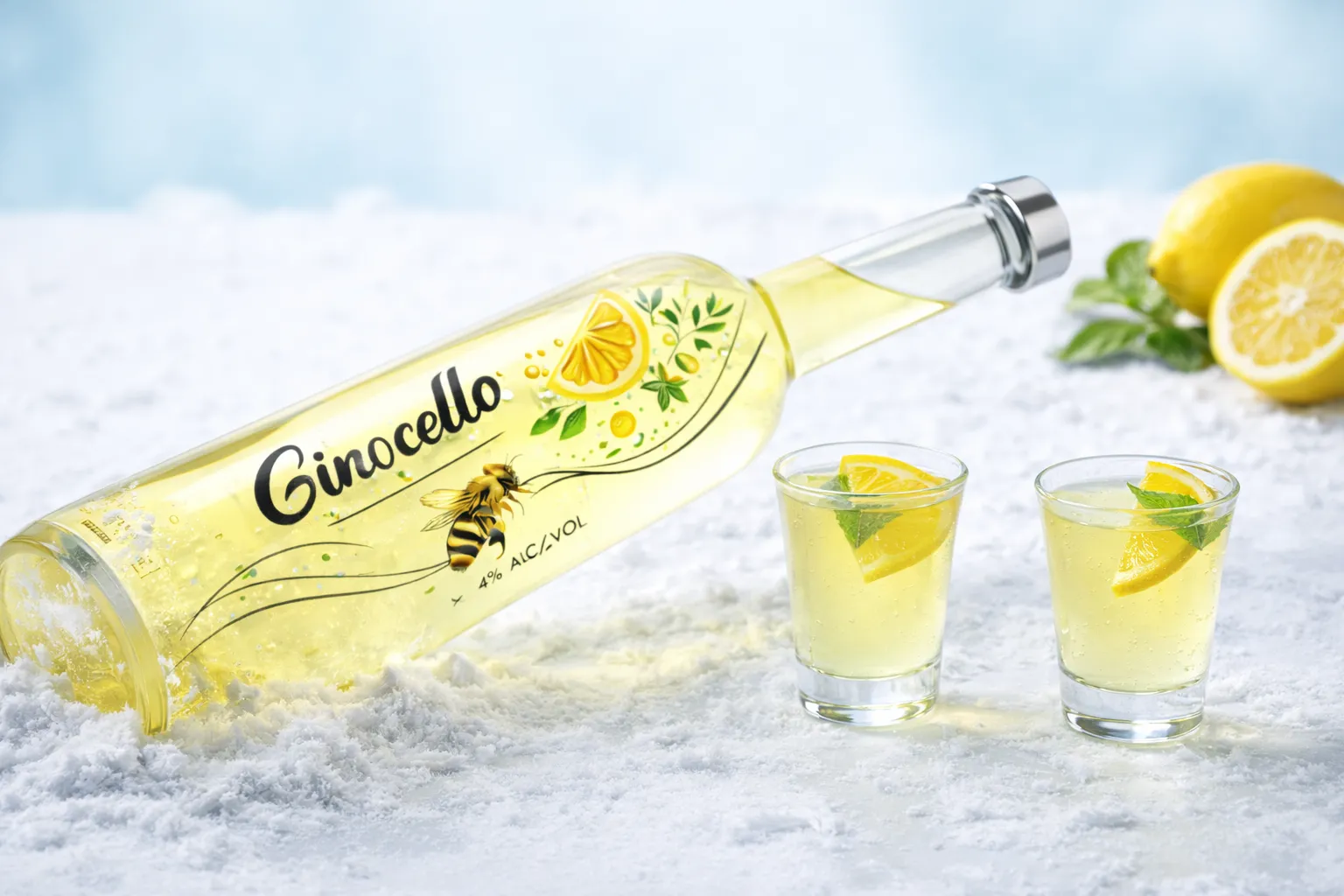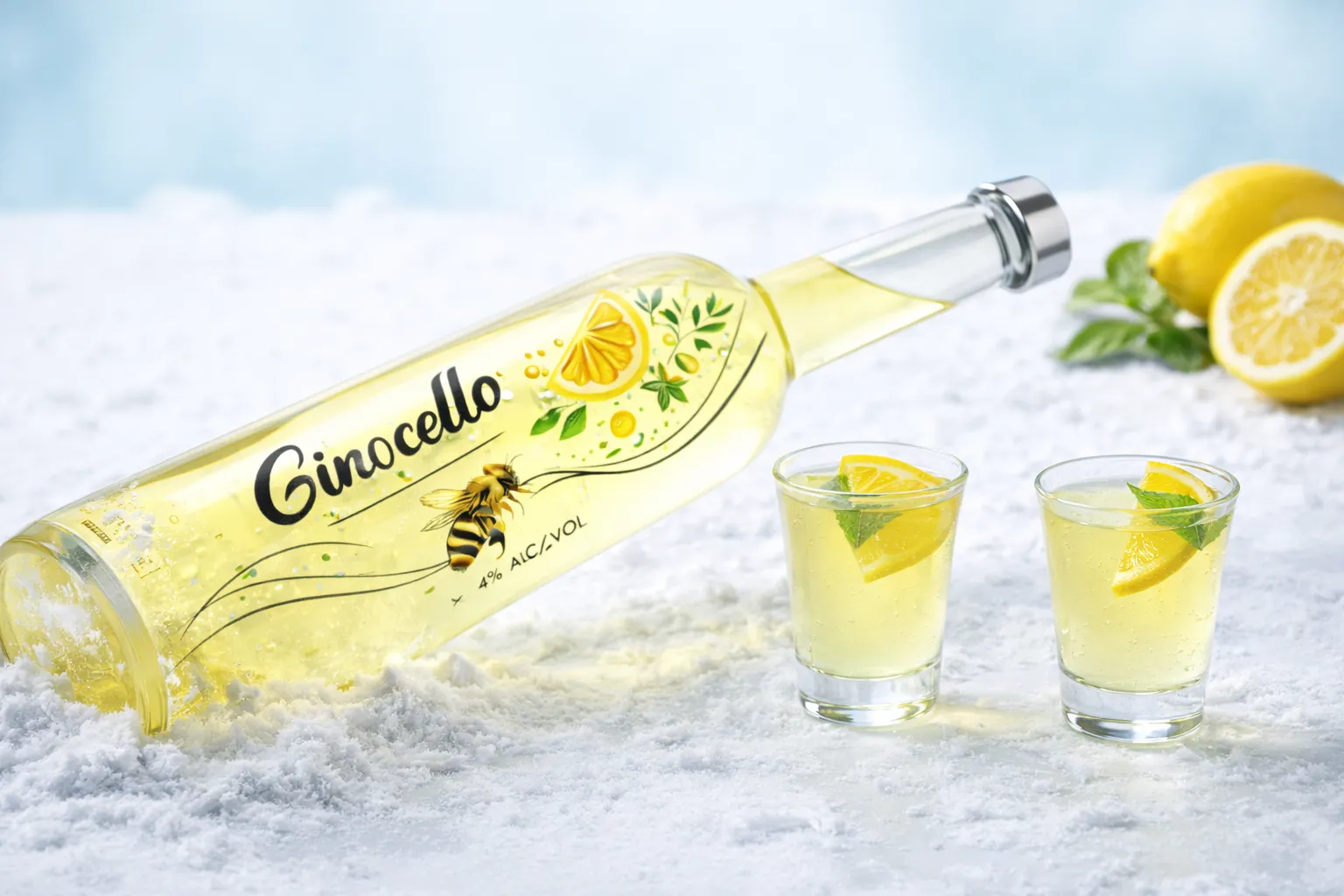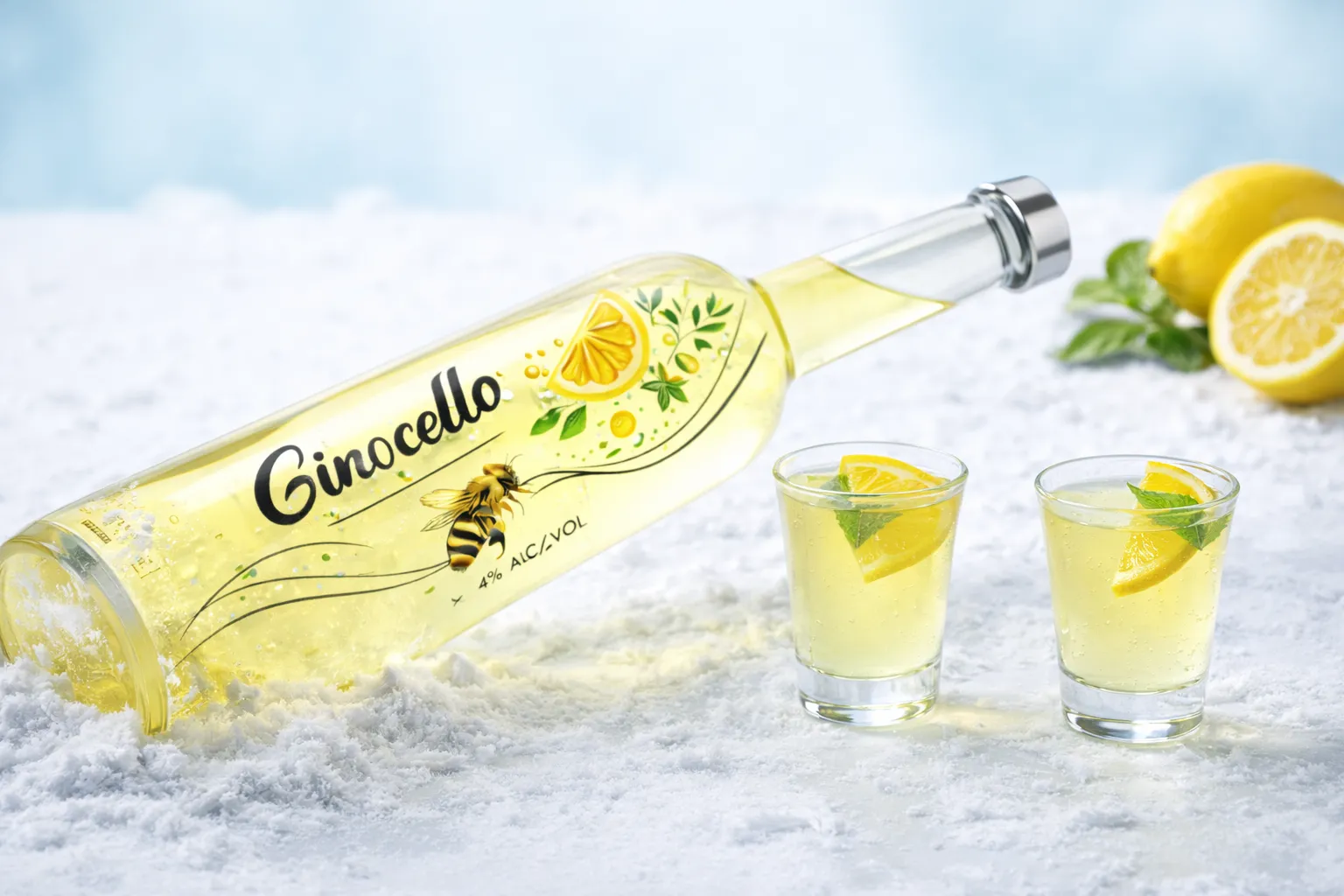
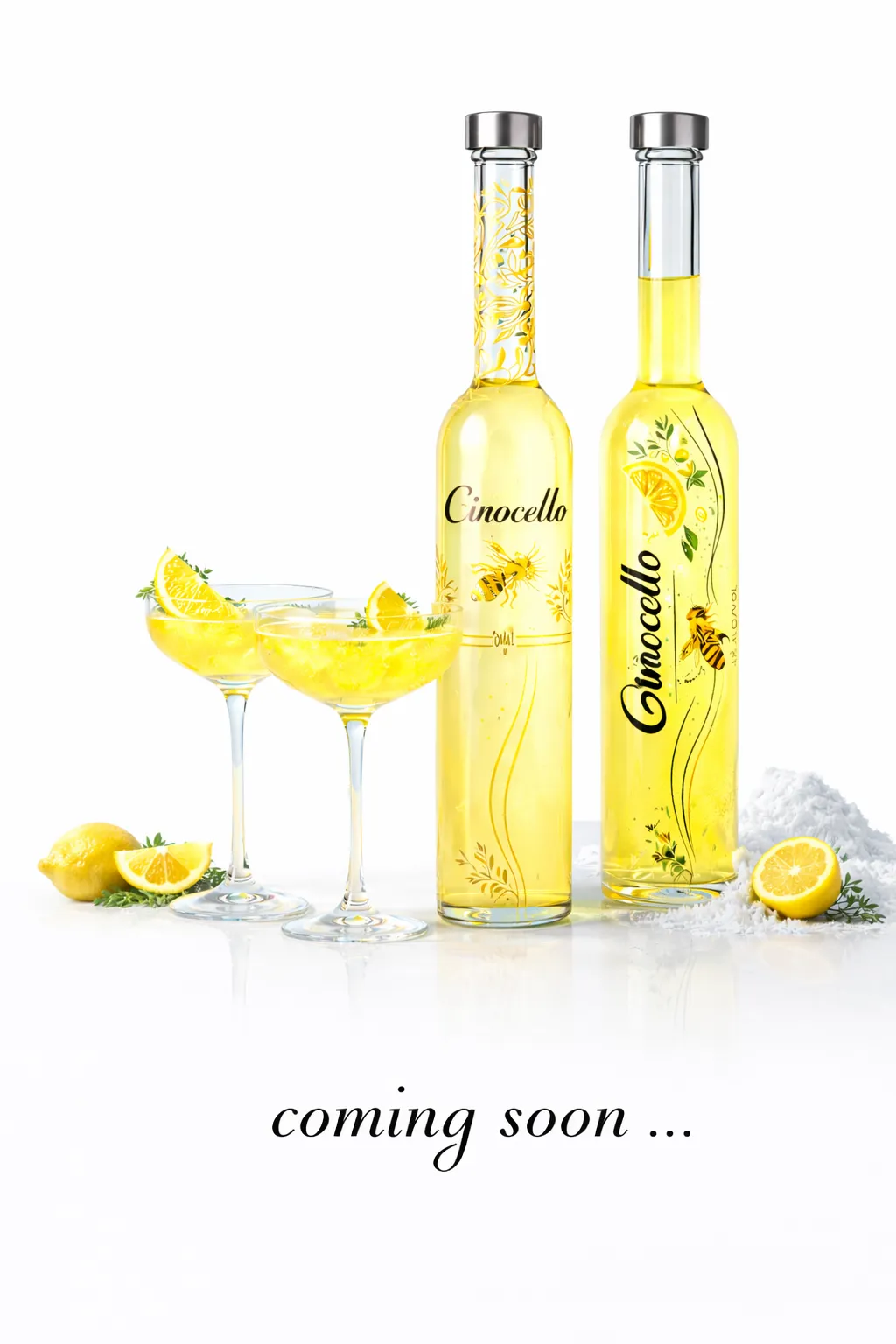
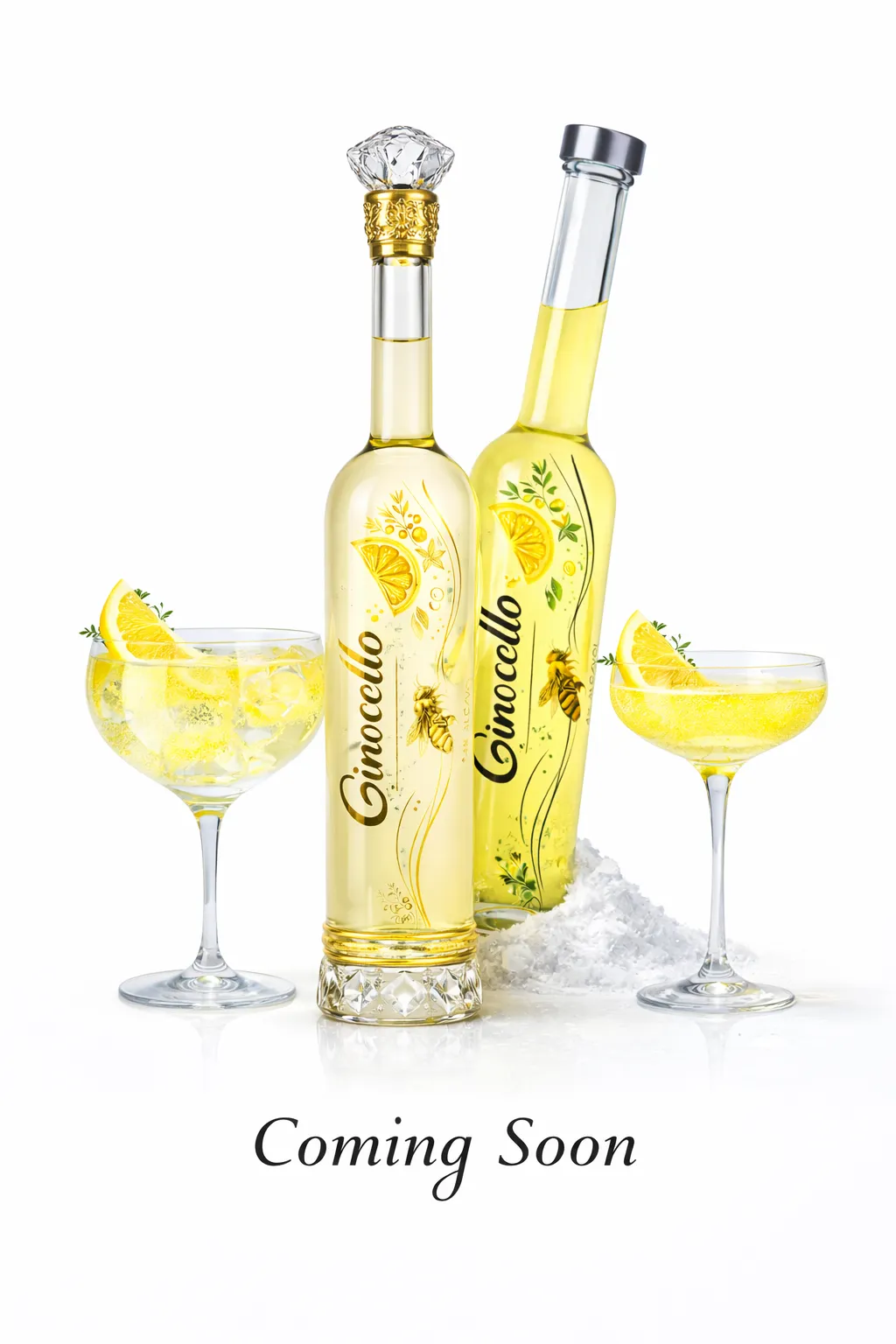
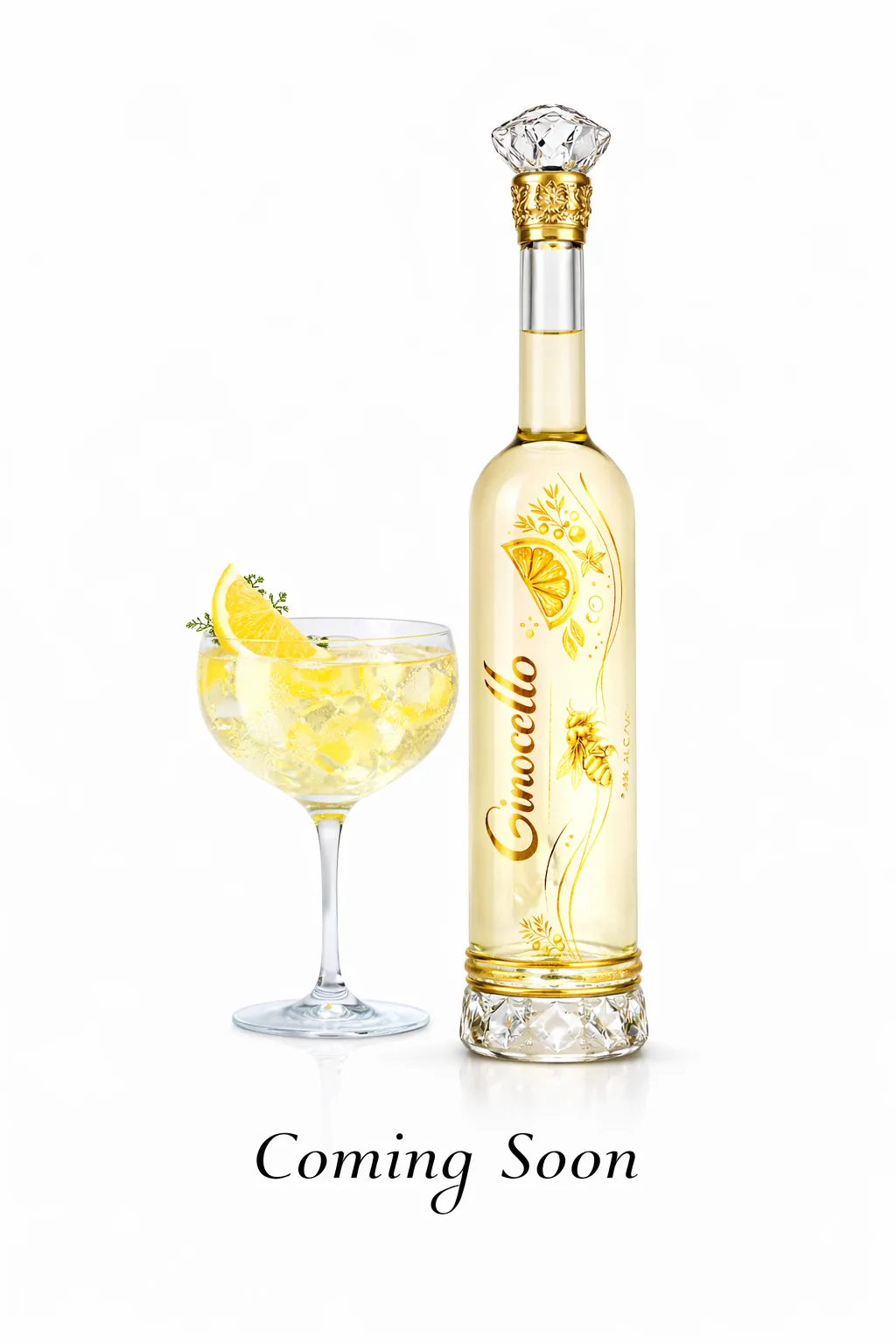
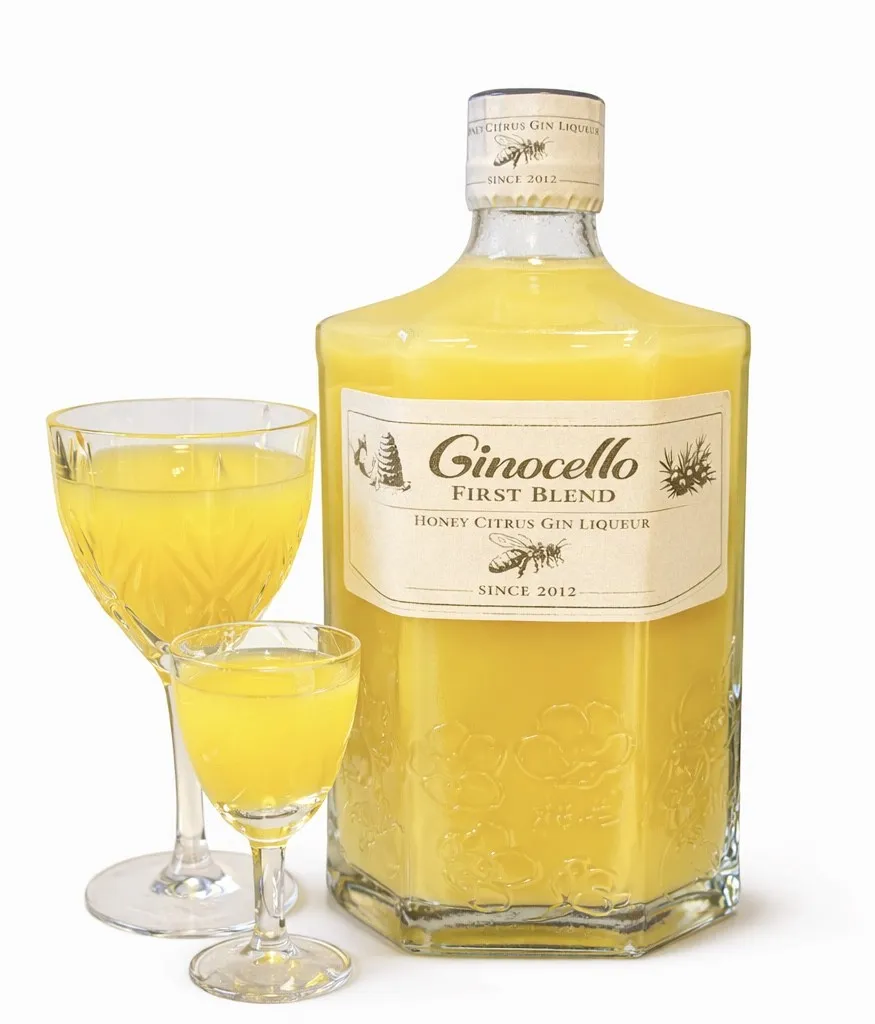
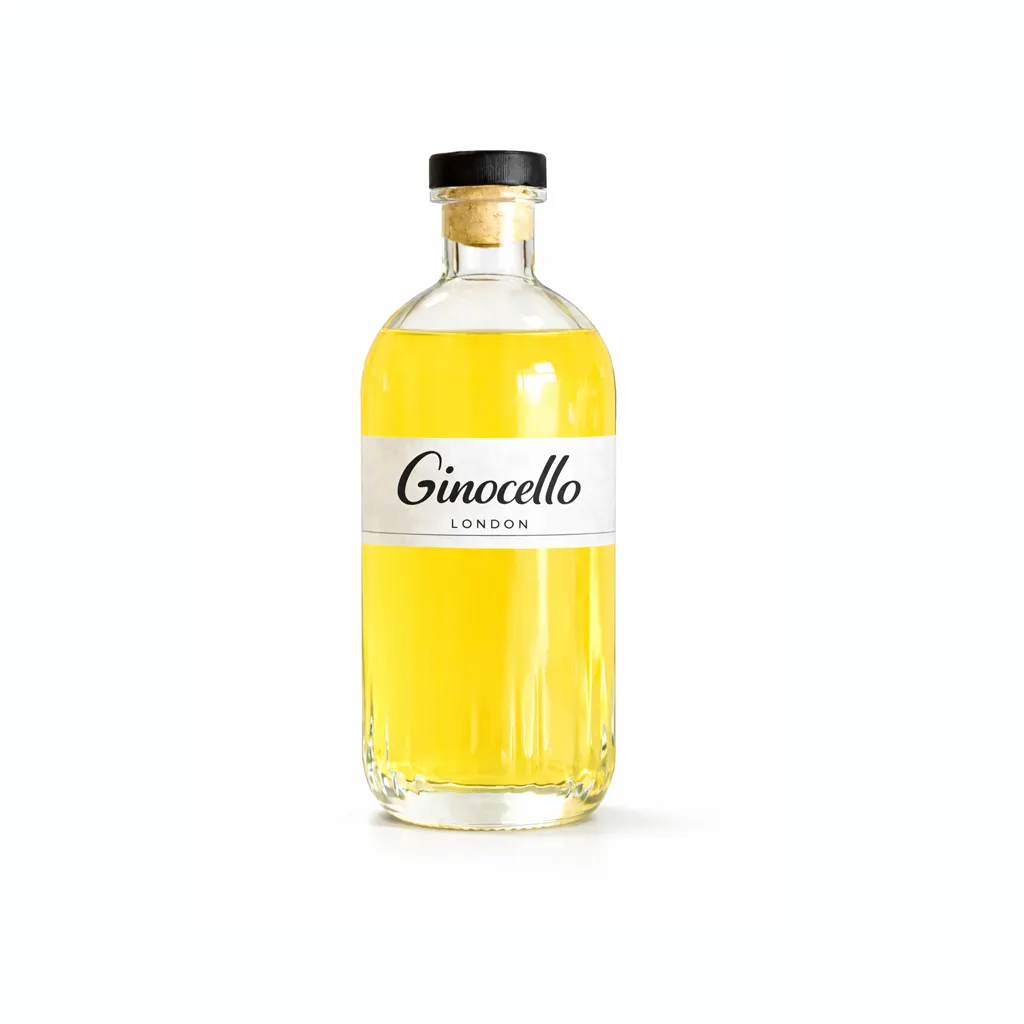
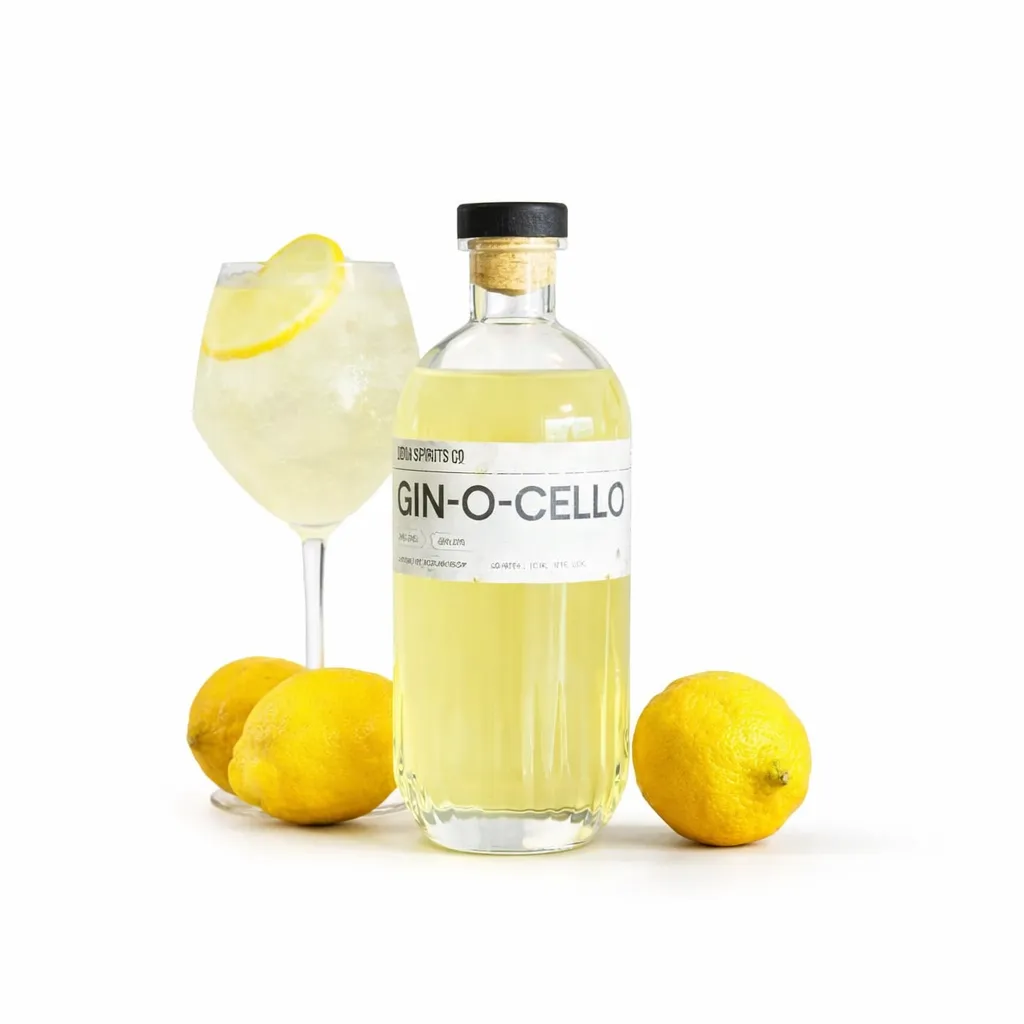
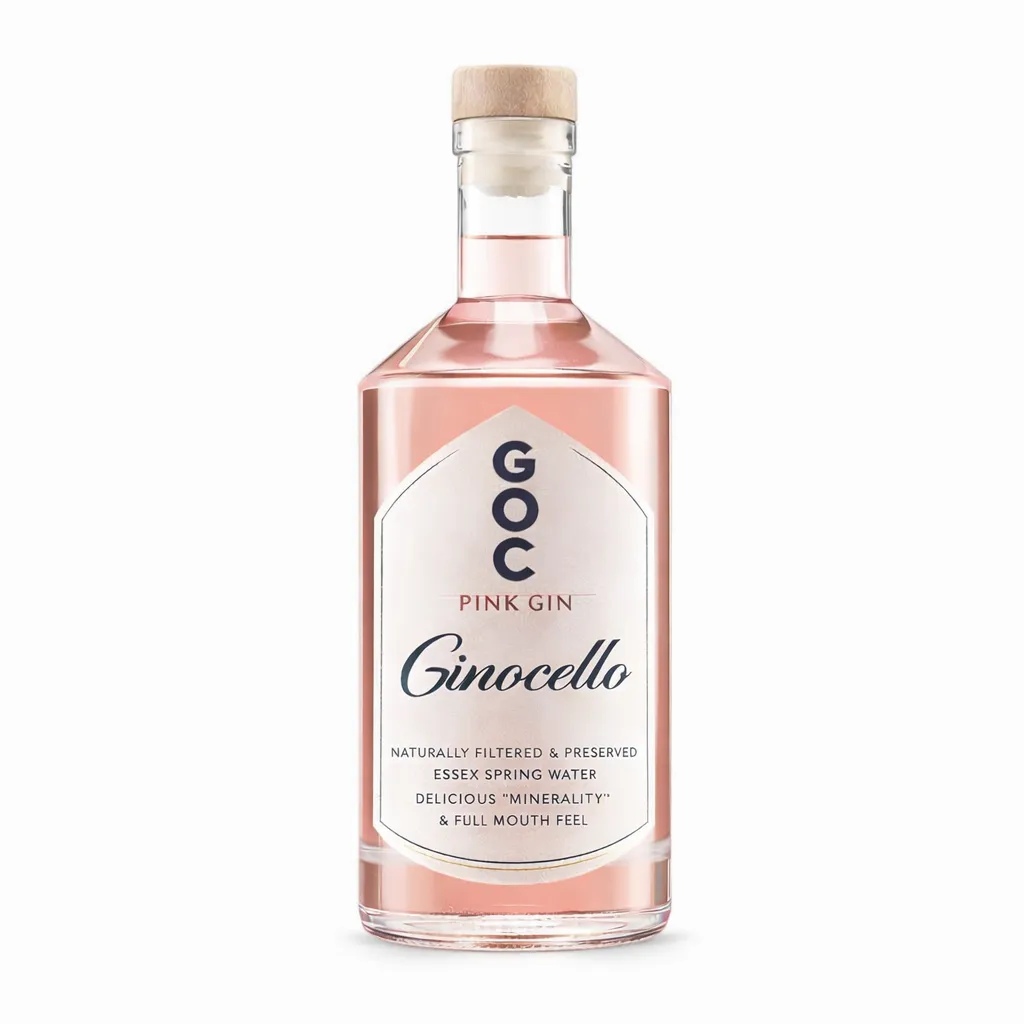

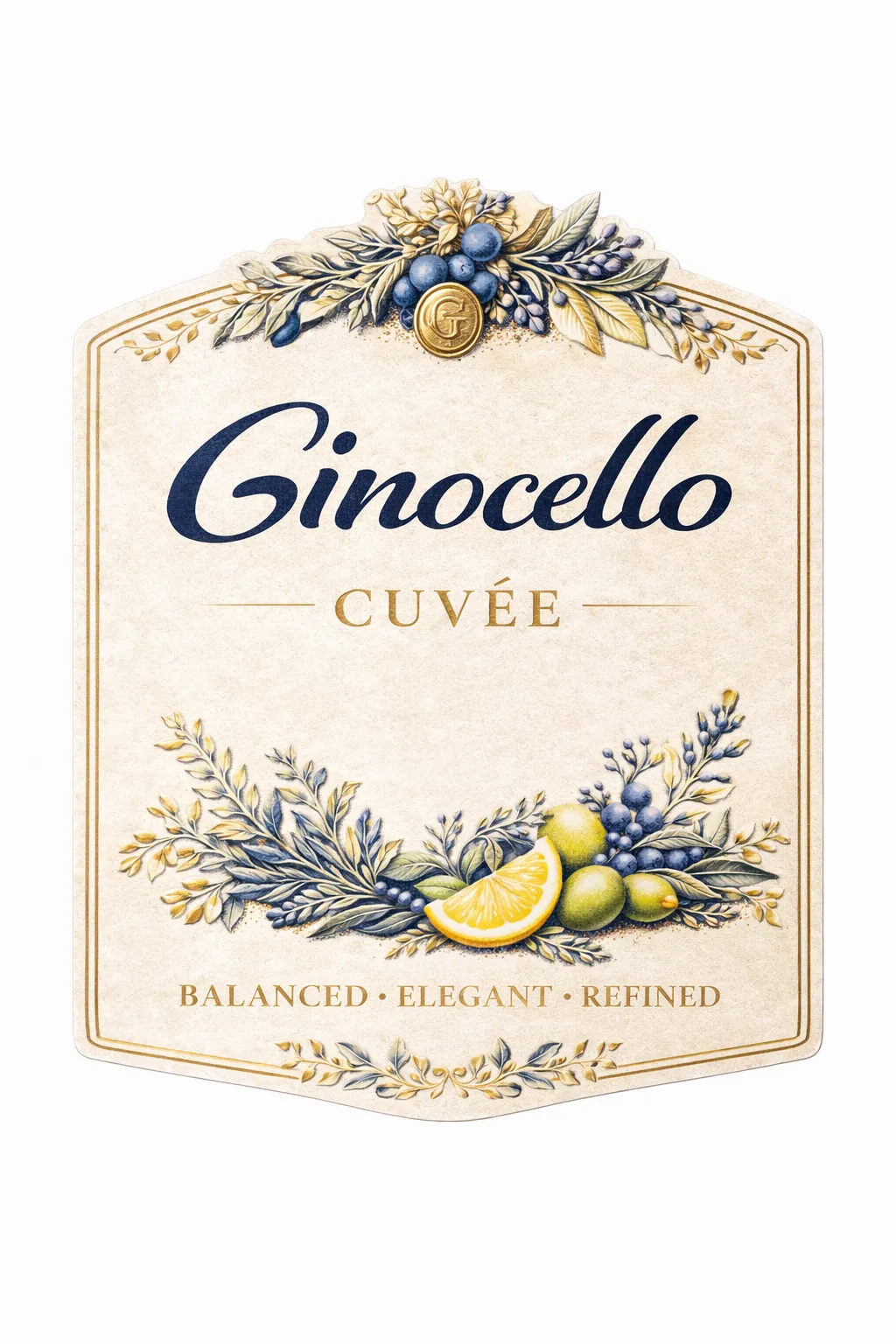
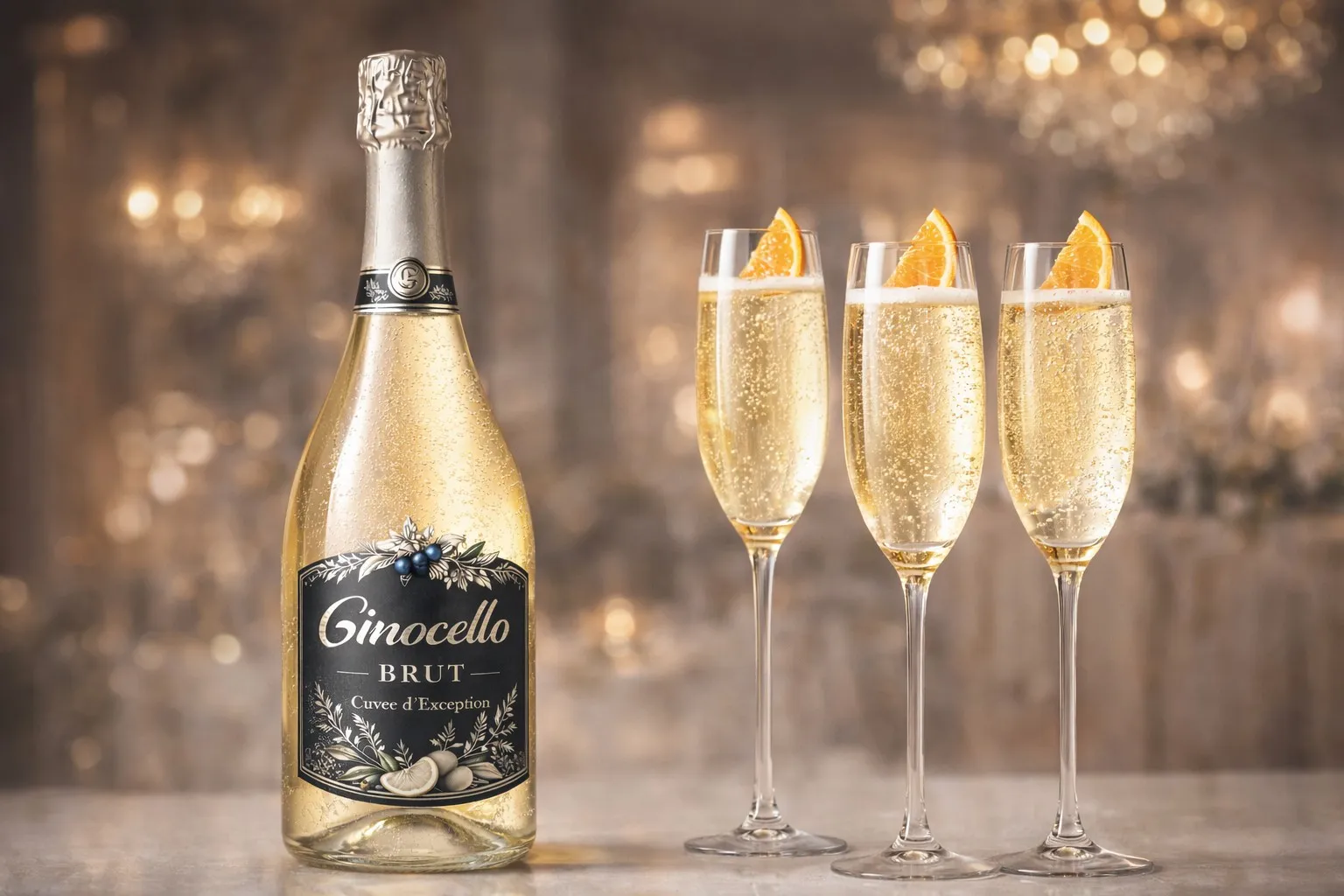
Ginocello Traditional Recipe: Inspired by Tradition, Refined for Today
There is no single historical “traditional recipe” for Ginocello — and that is precisely what defines it.
Ginocello is not a revival of a lost formula, nor an imitation of a regional classic. Instead, it is a modern expression inspired by centuries of citrus digestif tradition, refined through contemporary gin craftsmanship and a philosophy of balance, restraint, and finish.
As Ginocello — the premium gin-based citrus digestif, its recipe reflects a deliberate evolution: honouring the rituals and techniques that shaped classic citrus digestifs, while adapting them to modern tastes, modern dining, and modern expectations of quality.
This is tradition, not repeated — but reinterpreted.
Understanding “Traditional” in the Context of Ginocello
When people ask about a traditional Ginocello recipe, they are often really asking about lineage:
-
What traditions influenced it?
-
What techniques does it respect?
-
What philosophies does it preserve?
Ginocello does not pretend to be old. Instead, it acknowledges that tradition is a framework, not a fixed formula.
Historically, citrus digestifs across Europe followed shared principles rather than identical recipes. These drinks were shaped by available ingredients, local spirits, and household practices — not strict standardisation.
Ginocello draws from these shared principles while consciously stepping beyond them.
The Traditional Roots Behind Ginocello
Ginocello’s recipe philosophy is inspired by long-established European digestif methods, particularly those that focused on citrus peel, alcohol infusion, and controlled sweetness.
Across generations, traditional citrus digestifs were typically made by:
-
Infusing citrus peel in alcohol to extract aromatic oils
-
Avoiding citrus juice to prevent excessive acidity
-
Using sweetness to soften alcohol and bitterness
-
Allowing time for flavours to integrate naturally
-
Serving the drink after meals as a finishing ritual
These practices were less about intensity and more about balance — even if, over time, many modern versions drifted toward excessive sweetness.
Ginocello respects these original intentions.
Peel Over Juice: A Shared Traditional Principle
One of the most important traditional foundations Ginocello preserves is the use of citrus peel rather than juice.
Historically, citrus peel was favoured because it contains:
-
Essential oils responsible for aroma and flavour
-
Natural bitterness that can be controlled
-
Stability that juice cannot provide
Juice, while fresh, introduces sharp acidity, instability, and inconsistency — qualities that work against a composed digestif.
Ginocello remains faithful to this principle, using lemon zest and peel to capture brightness without sharpness, freshness without sourness.
This choice alone places Ginocello firmly within the lineage of true citrus digestif craft.
Where Ginocello Intentionally Departs From Tradition
While Ginocello respects traditional logic, it does not replicate traditional recipes.
Instead, it refines them.
1. Gin as the Base Spirit
Traditional citrus digestifs almost always relied on neutral alcohol — chosen for extraction efficiency rather than flavour.
Ginocello replaces neutrality with structure.
By using gin as its base, Ginocello introduces:
-
Botanical depth from juniper and complementary aromatics
-
Natural dryness that reduces reliance on sugar
-
Length and structure through the finish
This is the single most defining difference between Ginocello and traditional citrus digestifs.
Gin is not added for novelty. It is chosen to elevate balance.
2. Restraint Over Sweetness
Many traditional recipes leaned heavily on sugar to soften alcohol and intensify citrus character.
Ginocello rejects this approach.
Instead of richness, it prioritises composure.
Sweetness in Ginocello is:
-
Gentle rather than dominant
-
Structural rather than indulgent
-
Used to integrate, not impress
This aligns more closely with the original intent of digestifs — to conclude, not overwhelm.
3. Modern Alcohol Balance
Traditional digestifs often fluctuated widely in strength, depending on household practices.
Ginocello is precisely calibrated.
At 22% ABV, the recipe achieves:
-
Enough warmth to feel like a true digestif
-
Enough restraint to remain smooth and approachable
-
Compatibility with slow sipping and tableside service
This alcohol level is not inherited — it is designed.
A Recipe Philosophy, Not a Formula
Ginocello’s traditional recipe is not a list of steps — it is a philosophy.
That philosophy prioritises:
-
Aroma before acidity
-
Structure before sweetness
-
Finish before impact
Every ingredient and process is chosen to support how Ginocello behaves at the table.
This is what distinguishes it from both homemade infusions and mass-produced citrus liqueurs.
Craft and Precision: The Modern Difference
Traditional citrus digestifs were often made informally, with results varying widely from batch to batch.
Ginocello introduces modern discipline.
Its recipe is:
-
Carefully calibrated
-
Reproducible without losing character
-
Designed for clarity, stability, and consistency
This precision ensures that:
-
Citrus does not become bitter
-
Sweetness does not dominate
-
Botanicals remain integrated
-
The finish remains clean
Modern craft allows Ginocello to honour tradition while eliminating its inconsistencies.
Time as an Ingredient
Traditional digestifs respected time — not speed.
Ginocello preserves this mindset.
Time is essential for:
-
Citrus oils to integrate with alcohol
-
Botanicals to soften and harmonise
-
Sweetness to settle into the structure
While modern production allows for control, Ginocello does not rush the process.
Integration matters more than extraction.
Tradition Without Imitation
Ginocello does not claim heritage through geography or nostalgia.
Instead, it honours tradition by understanding why practices existed — and applying those reasons intelligently today.
It respects:
-
Peel over juice
-
Sweetness as balance
-
Alcohol as structure
-
The digestif as ritual
But it refuses to replicate outdated excess.
This is not a revival.
It is an evolution.
How the Traditional Philosophy Shapes the Serve
Because Ginocello’s recipe is rooted in digestif tradition, its intended serve follows naturally.
Ginocello is designed to be:
-
Served after a meal
-
Poured slowly
-
Enjoyed over ice or lightly chilled
-
Sipped, not rushed
The recipe supports this moment — not the other way around.
Ginocello Traditional Recipe: At a Glance
-
Historical recipe: None directly
-
Inspired by: European citrus digestif traditions
-
Base spirit: Gin (not neutral alcohol)
-
Citrus: Lemon zest and peel, never juice
-
Sweetening: Local honey and cane sugar, restrained
-
Alcohol: 22% ABV, intentionally moderate
-
Style: Modern, refined, table-focused
Why Ginocello’s Recipe Feels Familiar — Yet New
When people first taste Ginocello, the response is often recognition rather than surprise.
That familiarity comes from tradition.
But what lingers is clarity, balance, and finish — qualities shaped by modern restraint.
Ginocello feels familiar because it respects ritual.
It feels new because it refuses excess.
A Digestif for the Modern Table
Today’s dining culture values:
-
Lighter finishes
-
Clear flavours
-
Intentional pacing
Ginocello’s recipe is built for this reality.
It does not fight tradition — it refines it.
Tradition, Reimagined
Ginocello does not claim to be old.
It claims to be considered.
By taking the principles of traditional citrus digestifs and refining them through gin distillation, modern balance, and disciplined craft, Ginocello — the premium gin-based citrus digestif becomes something rare:
A spirit rooted in ritual,
refined by intention,
and finished for today’s table.
Not inherited.
Not imitated.
Just beautifully evolved.