
Gin O Cello: The Complete Guide to Ginocello, Gin-O-Cello, Gincello, Ginoncello & Ginorcello
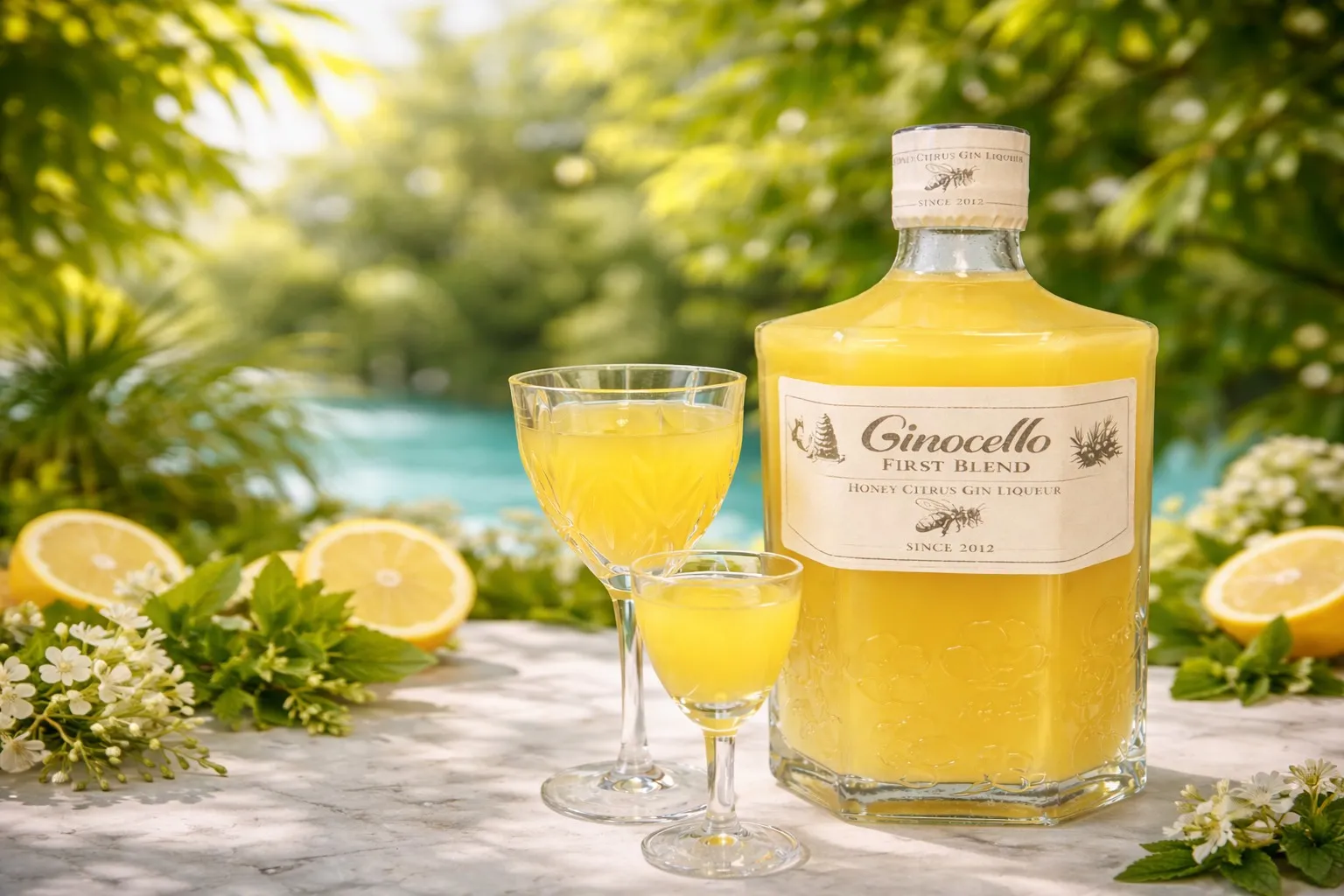
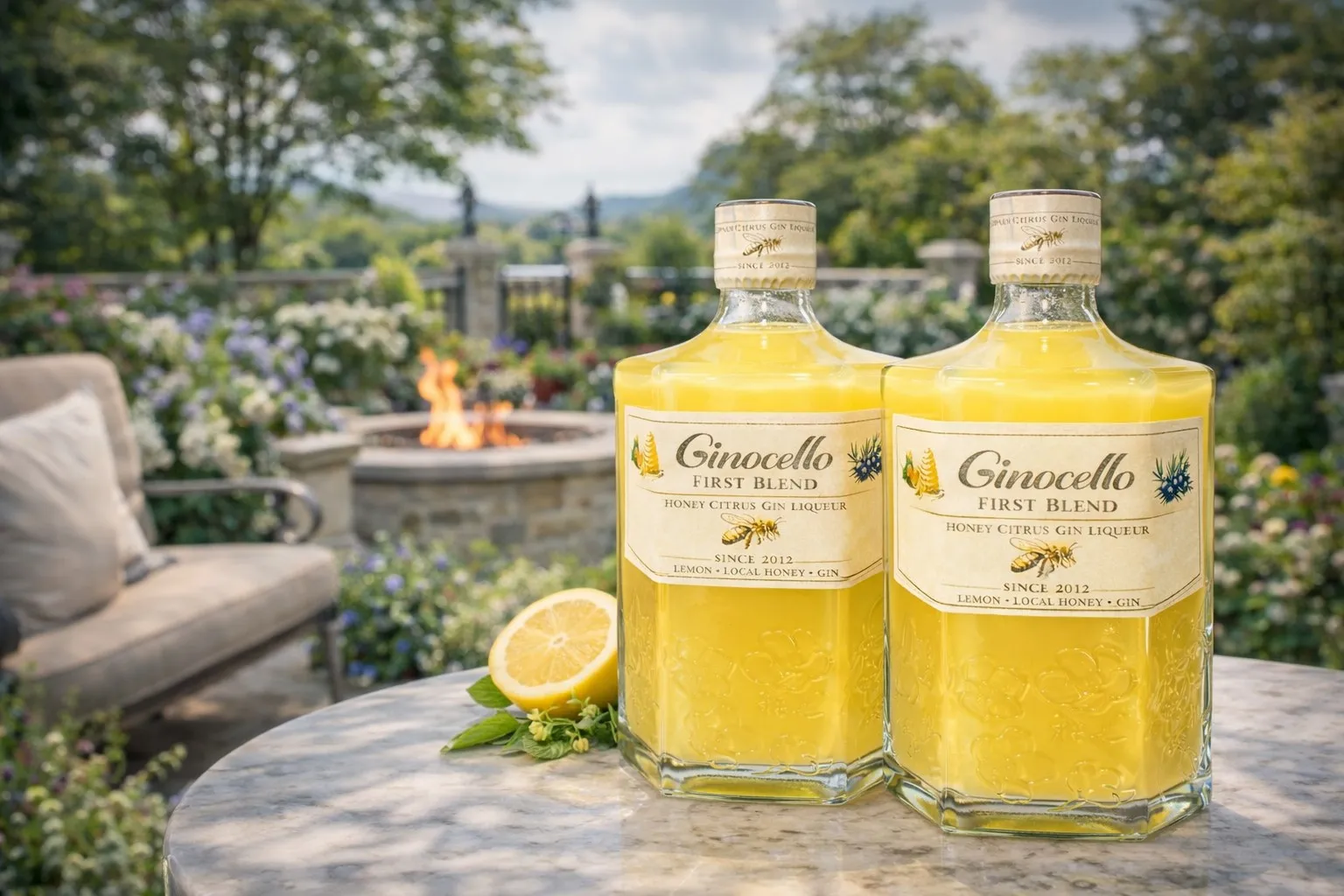
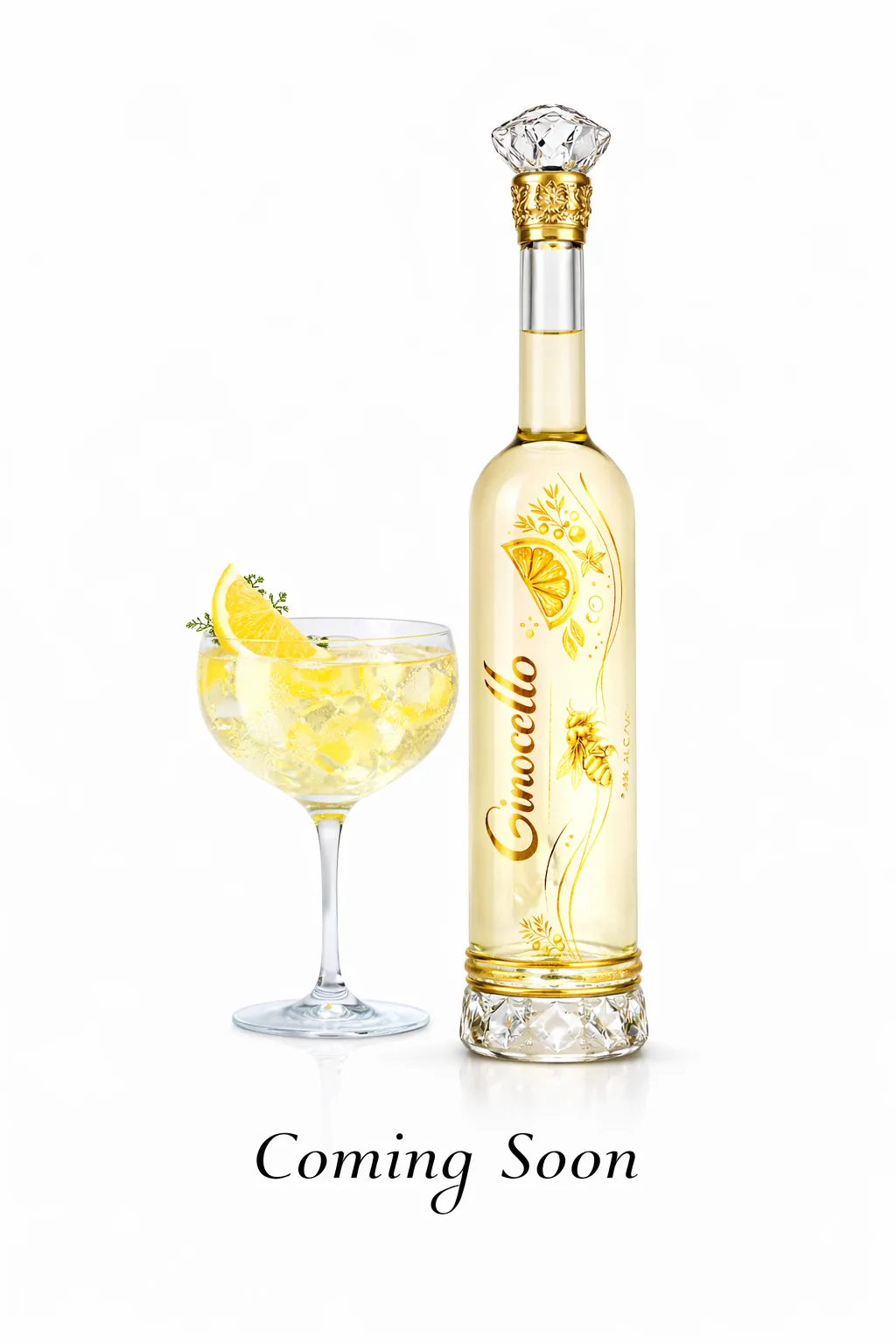
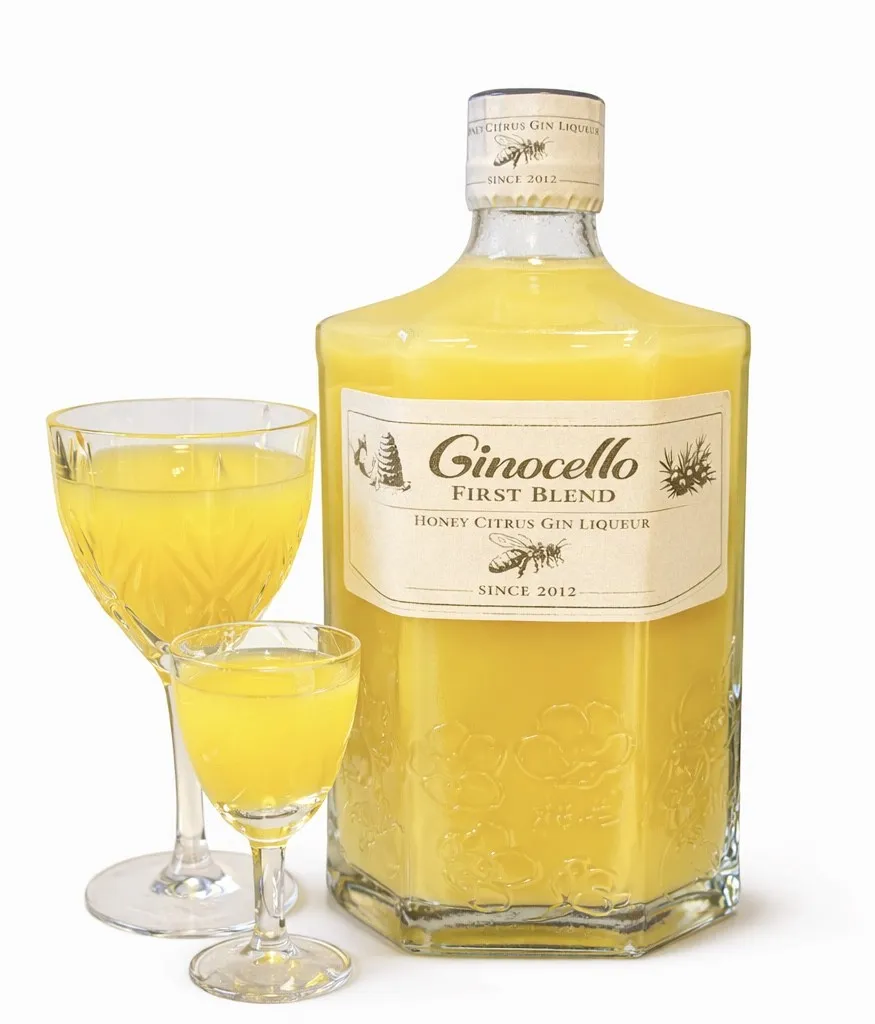
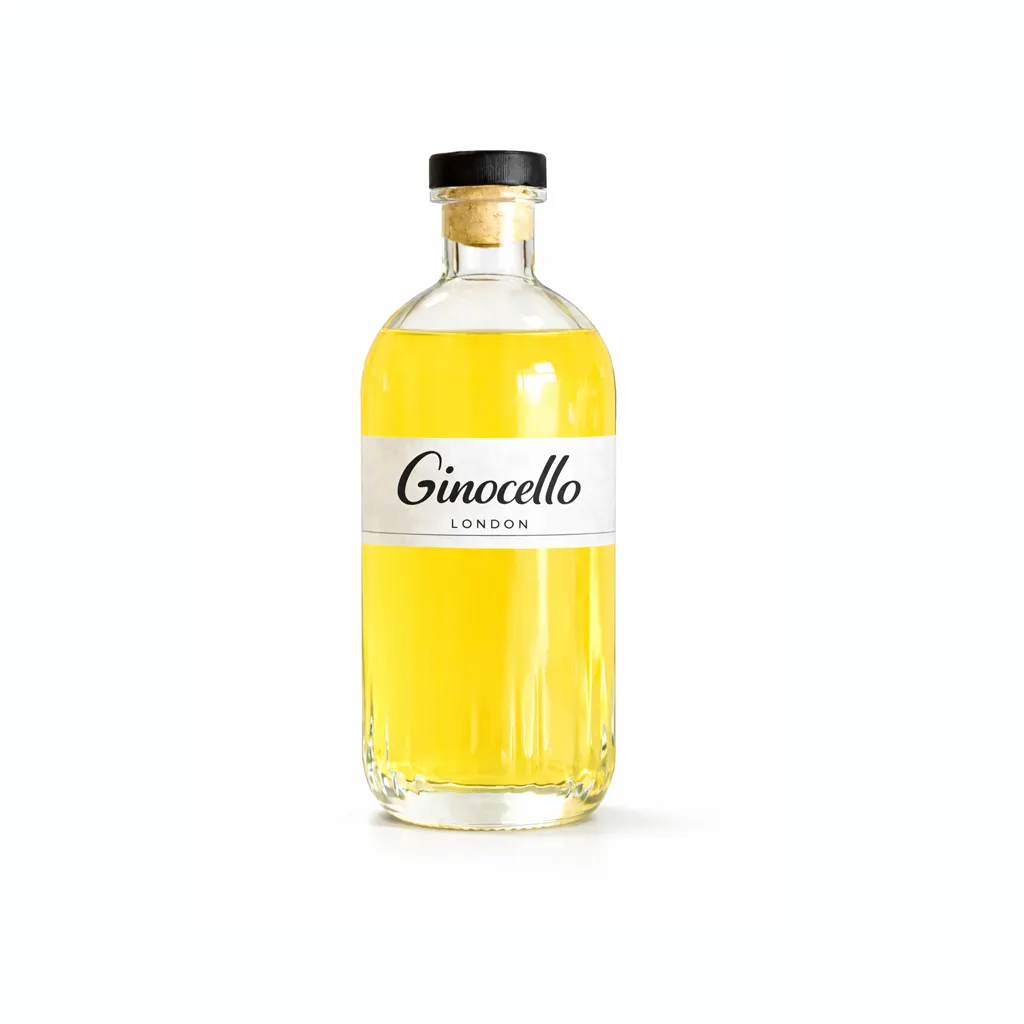
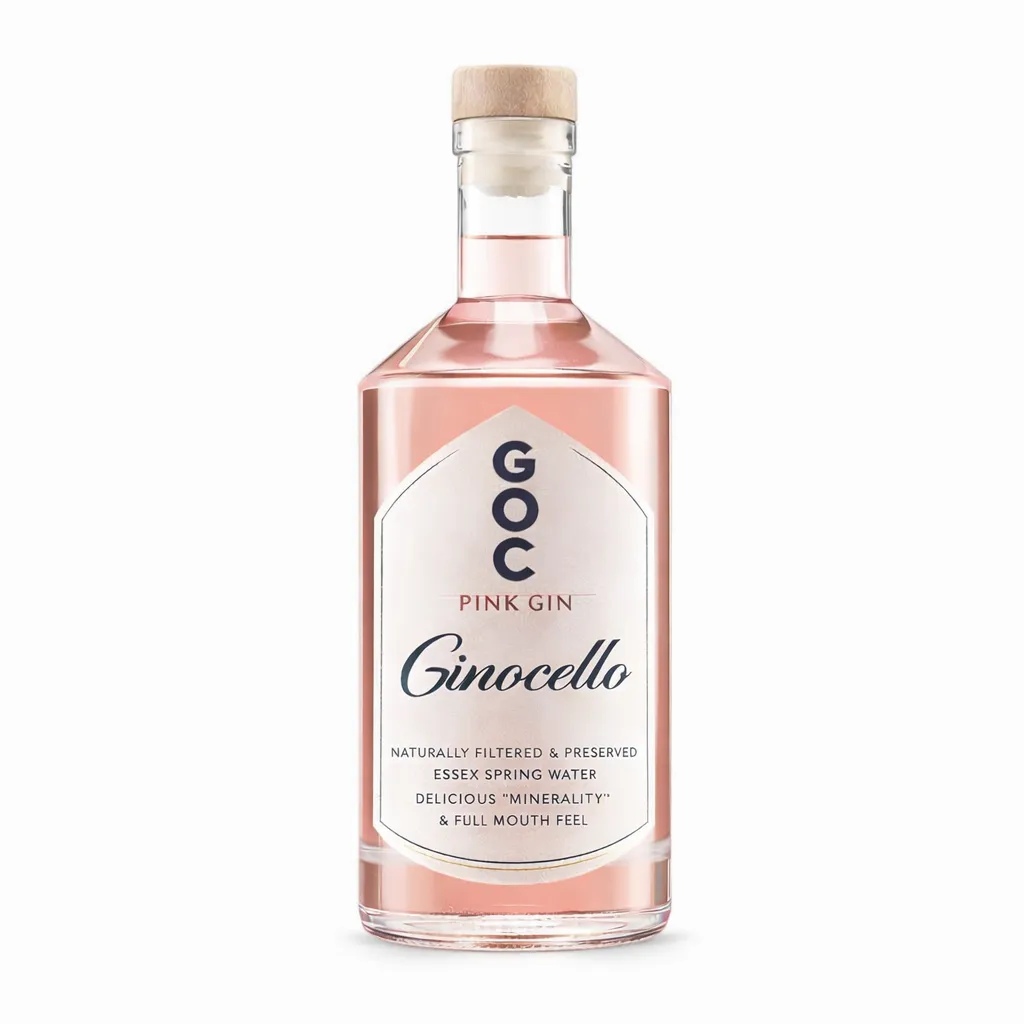
In recent years, the world of premium spirits has seen a rise in innovative hybrids that blend tradition with modern flavour profiles. One of the most exciting of these is Gin O Cello — a smooth, citrus-forward gin liqueur that combines the structure of gin with the brightness and sweetness of citrus infusions.
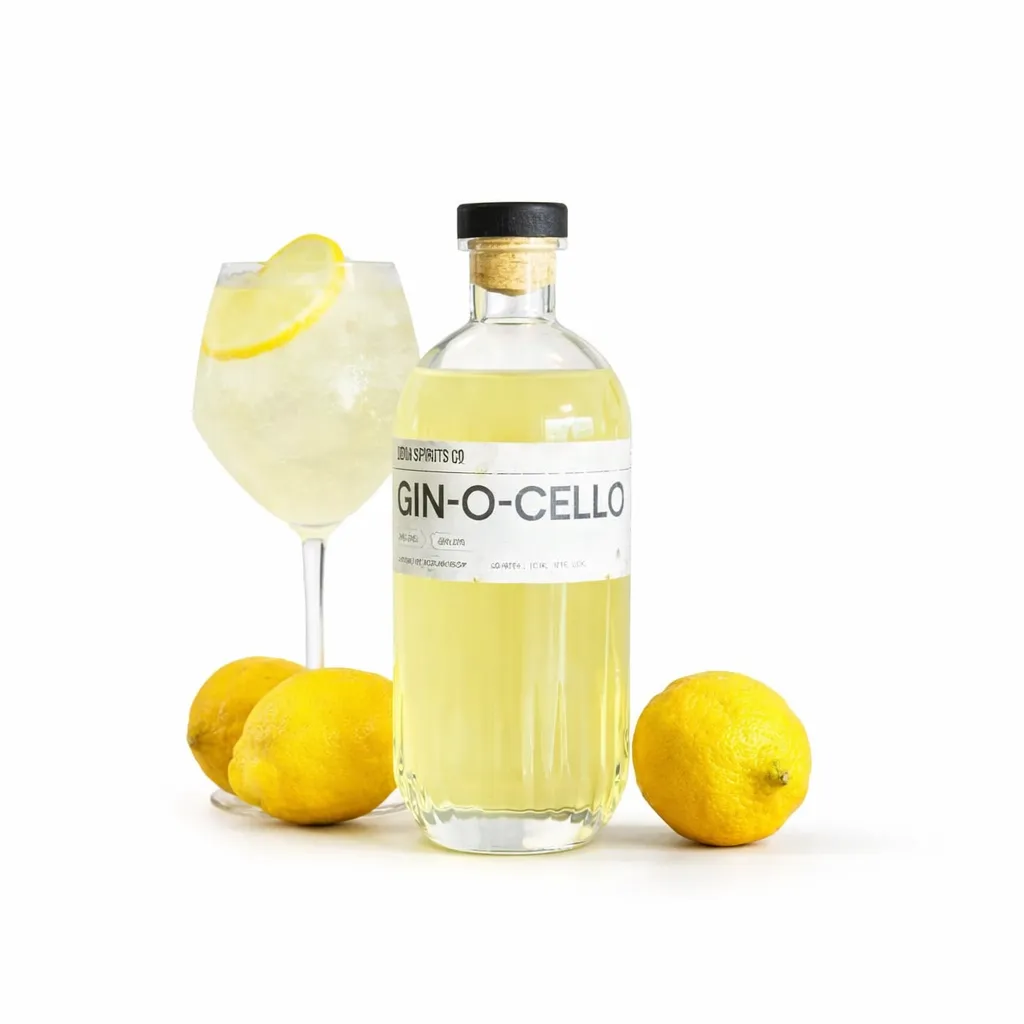
You may have seen it referred to by different names such as Ginocello, Gin-O-Cello, Gincello, Ginoncello, or Ginorcello. While the spellings vary, they all point toward the same emerging category: a refined, approachable gin-based liqueur designed for sipping, spritzing, and modern cocktail culture.
This guide explores what Gin O Cello really is, how it differs from other spirits, how to drink it, and why it’s becoming increasingly popular in England and beyond.
What Is Gin O Cello?
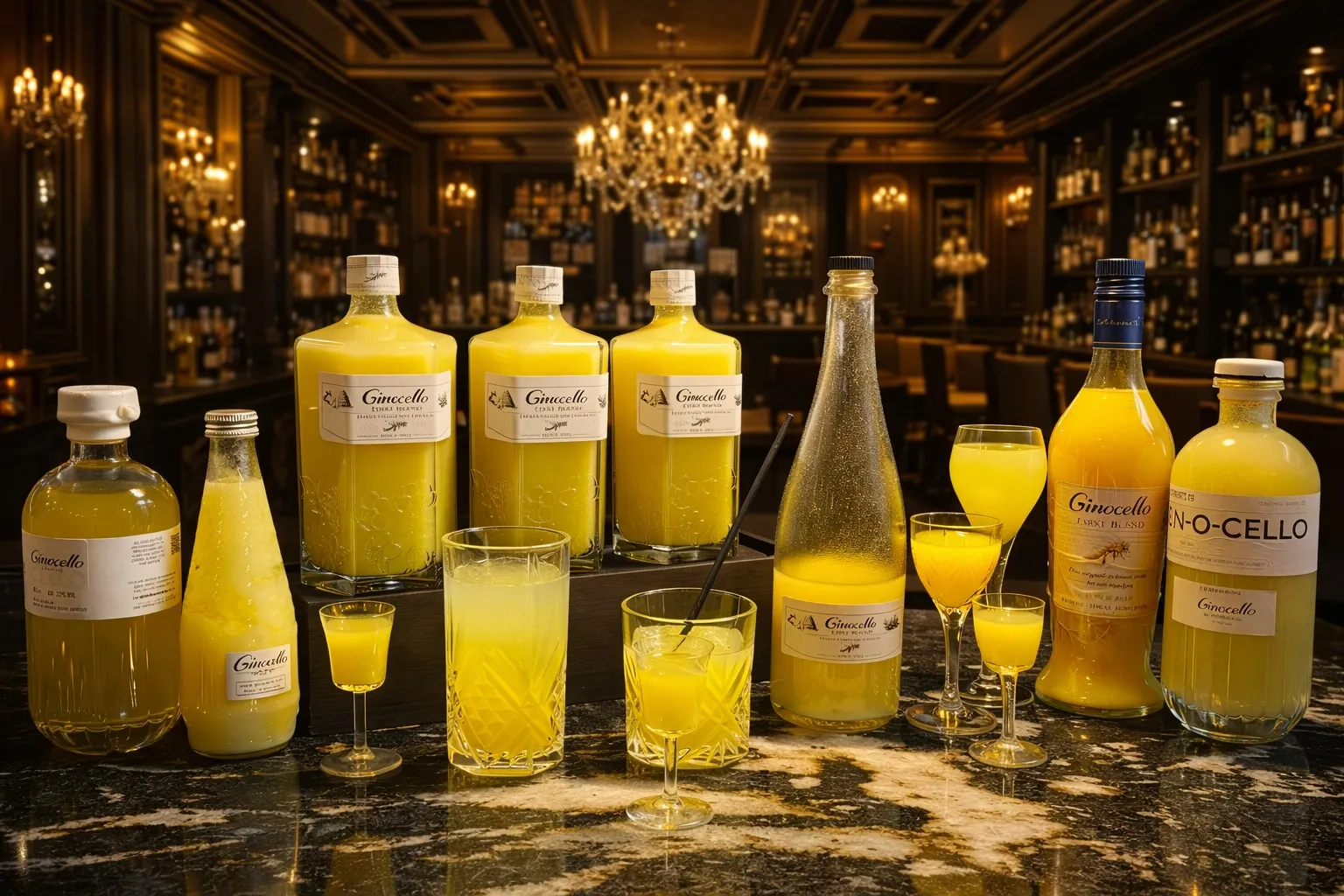
At its core, Gin O Cello is a gin-based citrus liqueur. It combines distilled gin (or neutral grain spirit infused with gin botanicals) with citrus peels — typically lemon and orange — and a natural sweetener such as honey or sugar.
Unlike standard gin, which is dry and juniper-forward, Ginocello is designed to be smoother, softer, and more approachable. It retains the botanical backbone of gin while introducing bright citrus freshness and gentle sweetness.
Because of this balance, Gin-O-Cello sits somewhere between gin, aperitif-style drinks, and flavoured liqueurs, making it extremely versatile.
Why So Many Names?
(Ginocello, Gincello, Ginoncello, Ginorcello)
One of the most common questions people ask is why there are so many spellings of Gin O Cello.
The answer is simple: it’s a spoken phrase turned product name.
-
Ginocello – the most common brand-style spelling
-
Gin-O-Cello – emphasises the spoken pronunciation
-
Gincello – simplified search variant
-
Ginoncello – phonetic interpretation
-
Ginorcello – another common misspelling
From an SEO and consumer perspective, all of these spellings point to the same product idea. Modern brands often optimise for all variations so customers can find them regardless of how they search.
Is Gin O Cello the Same as Limoncello?
No — and this is an important distinction.
While Ginoncello may sound similar to limoncello, the two are very different:
-
Limoncello is typically made with neutral spirit, lemon peel, sugar, and water
-
Gin O Cello includes gin botanicals, most importantly juniper
This botanical foundation gives Ginocello more complexity, depth, and structure than traditional citrus liqueurs.
In short:
-
Limoncello = citrus liqueur
-
Gin O Cello = citrus gin liqueur
The Botanical Foundation of Gin O Cello
A high-quality Ginorcello starts with a carefully selected botanical base. While recipes vary, many premium versions include:
-
Juniper berries
-
Coriander seed
-
Angelica root
-
Citrus peels (lemon, orange, sometimes Seville orange)
-
Floral or tea notes
-
Gentle spice elements
This blend ensures that Gincello still tastes unmistakably like gin — just softer, brighter, and more aromatic.
How Ginocello Is Made
The production process of Gin-O-Cello typically follows these steps:
-
Base Spirit Preparation
A gin or British grain spirit infused with gin botanicals is prepared. -
Citrus Infusion
Fresh citrus peels are macerated to extract natural oils and flavour. -
Sweetening
Natural sweeteners such as honey are added for balance and mouthfeel. -
Blending & Resting
The spirit is rested to allow flavours to integrate smoothly. -
Bottling
The final product is bottled at a lower ABV than traditional gin, often around 18–25%.
This process results in a spirit that is easy to drink yet still complex.
Alcohol Content: Why Gin O Cello Is Lower ABV
Most Ginoncello products sit between 18% and 25% ABV, making them:
-
Lighter than gin
-
Stronger than wine or prosecco
-
Ideal for casual sipping and spritz drinks
This lower alcohol level is one of the reasons Gin O Cello appeals to a wider audience, including those who enjoy flavour but prefer a softer drinking experience.
How to Drink Gin O Cello
One of the biggest strengths of Ginocello is its versatility.
1. Chilled or Over Ice
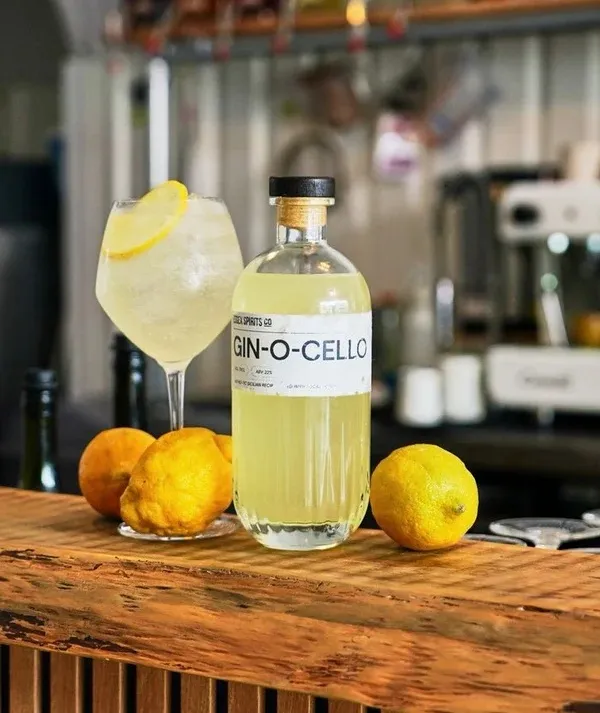
Served cold, Gin-O-Cello is smooth, refreshing, and aromatic.
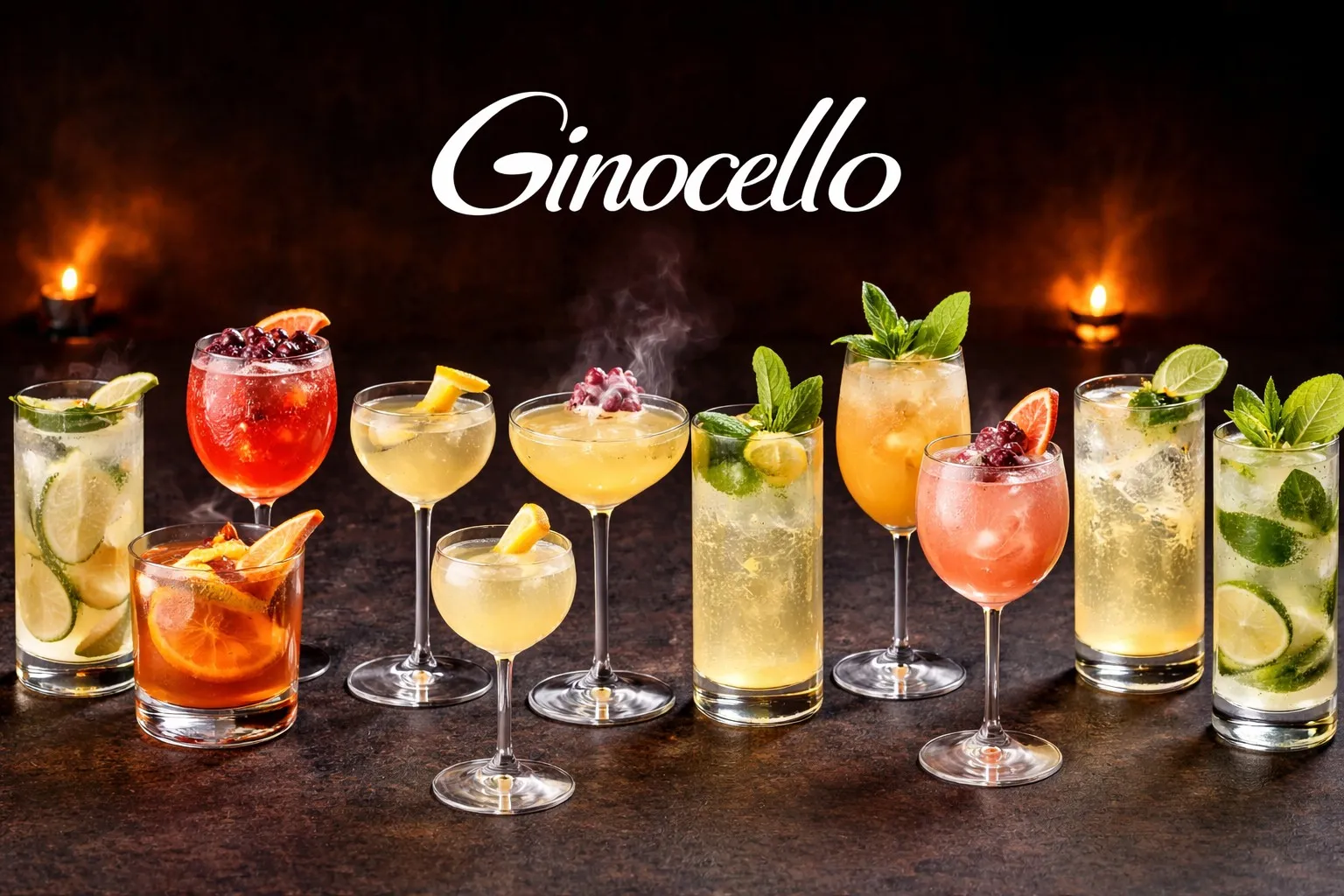
2. Gin O Cello Spritz
A popular serve in England:
-
Ginocello
-
Sparkling wine or prosecco
-
Soda water
-
Citrus garnish
3. Cocktail Ingredient
Gincello works beautifully in:
-
Sours
-
Martinis (as a twist)
-
Collins-style drinks
4. Food Pairing
Thanks to its citrus and botanical notes, Ginorcello pairs well with:
-
Light desserts
-
Cheese boards
-
Summer dishes
Gin O Cello vs Gin
| Feature | Gin | Gin O Cello |
|---|---|---|
| Sweetness | Dry | Gently sweet |
| ABV | 37.5–45% | 18–25% |
| Drinking Style | Mixed or neat | Sipped or spritzed |
| Citrus Focus | Subtle | Prominent |
This comparison explains why Ginocello appeals to both gin lovers and casual drinkers.
Gin O Cello in England: A Growing Trend
In England, drinking habits are shifting toward:
-
Lower-ABV spirits
-
Flavour-led drinks
-
Versatile social serves
Ginoncello fits perfectly into this trend. It works equally well at garden parties, celebrations, and relaxed evenings, offering a premium feel without being overpowering.
Is Gin O Cello an Aperitif?
Yes — Gin O Cello works exceptionally well as an aperitif-style drink.
Its citrus brightness stimulates the palate, while the botanicals add complexity without heaviness. This makes Gin-O-Cello a popular choice before meals or as a pre-dinner spritz.
Why Consumers Are Searching for Ginocello, Gincello, and More
Search trends show that people often discover Gin O Cello by sound rather than spelling. This is why variants like Ginoncello and Ginorcello appear so frequently.
Smart brands and retailers optimise for all these spellings to ensure discoverability and reduce confusion.
Is Gin O Cello a Premium Product?
While pricing varies, most Ginocello products position themselves as premium but accessible.
Factors contributing to premium quality include:
-
Natural ingredients
-
Handcrafted production
-
Botanical complexity
-
Elegant packaging
This makes Gin O Cello suitable for gifting, celebrations, and special occasions.
The Future of Gin O Cello
As consumer tastes continue to evolve, Gin-O-Cello is well placed for growth. It bridges the gap between gin, liqueurs, and sparkling serves, offering something familiar yet fresh.
Expect to see:
-
More flavoured variations
-
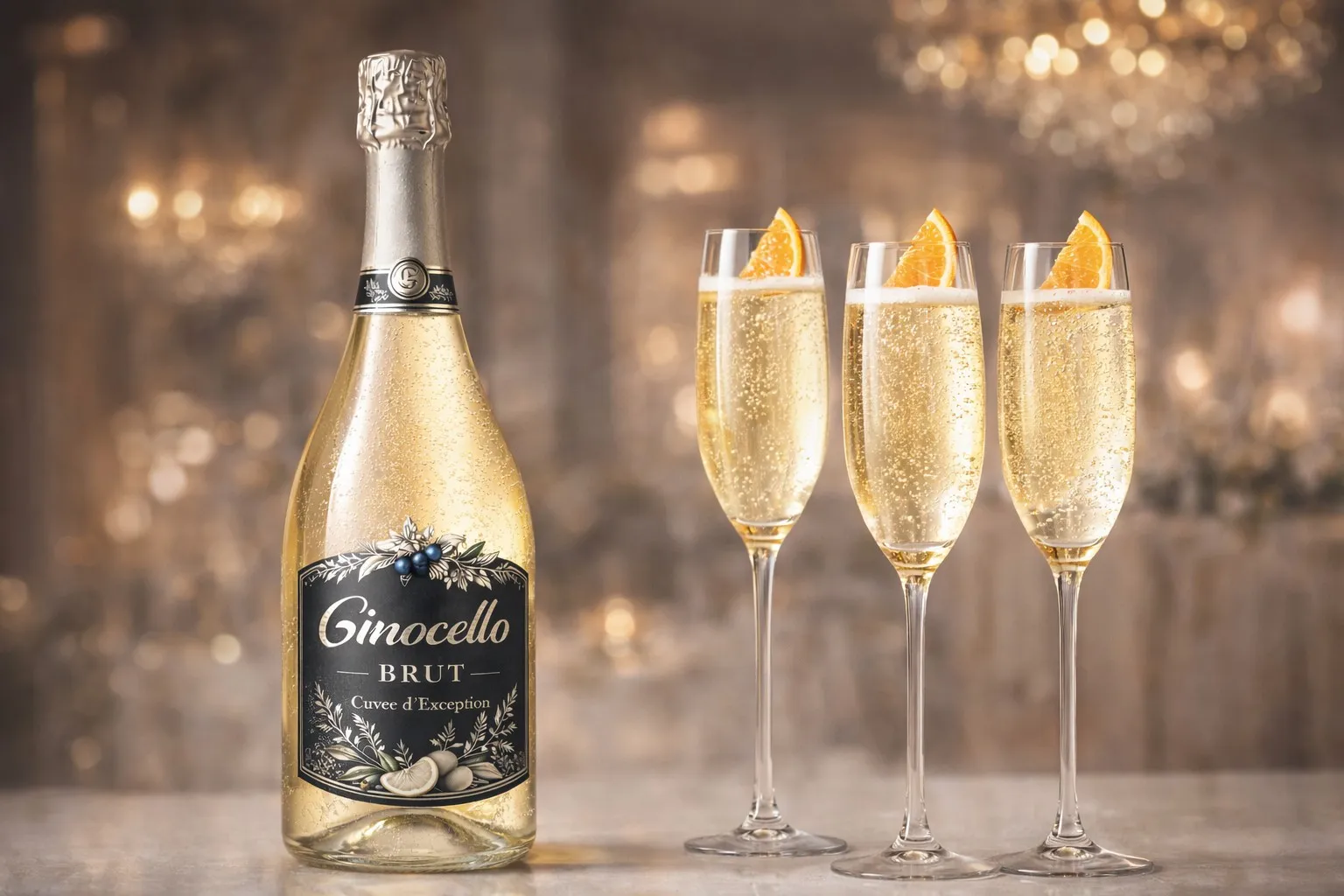
Sparkling Ginocello styles
-
Increased menu presence in bars and restaurants
Summery: Why Gin O Cello Is Here to Stay
Whether you call it Ginocello, Gin-O-Cello, Gincello, Ginoncello, or Ginorcello, one thing is clear: this category represents a modern approach to gin drinking.
With its balance of citrus, botanicals, and smooth sweetness, Gin O Cello offers an elegant alternative to traditional spirits — perfect for today’s flavour-focused, experience-driven drinker.