Ginocello Liqueur: A Complete Guide to the Citrus Gin Liqueur Redefining Modern Drinking
In recent years, the world of spirits has shifted noticeably. Drinkers are increasingly seeking flavour, balance, and versatility rather than high alcohol strength alone. One product that perfectly reflects this change is Ginocello liqueur.
Smooth, citrus-forward, and botanically complex, Ginocello liqueur bridges the gap between traditional gin and flavoured liqueurs. It offers the structure and aroma of gin while introducing a softer, more approachable drinking experience. As a result, Ginocello liqueur is rapidly gaining popularity in England and beyond.
This article explores what Ginocello liqueur is, how it’s made, how it differs from other drinks, how to enjoy it, and why it has become such an important part of modern drinking culture.
What Is Ginocello Liqueur?
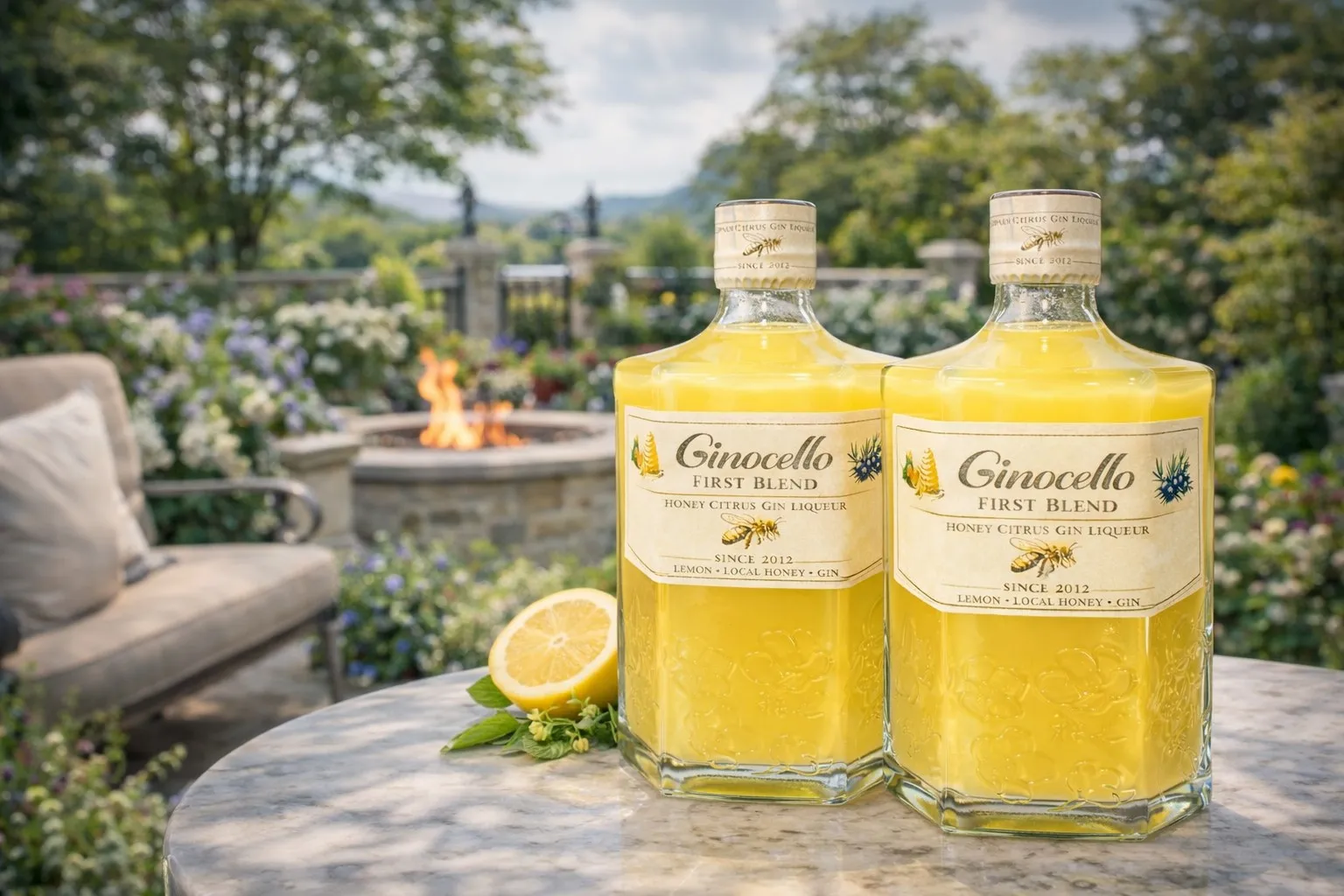
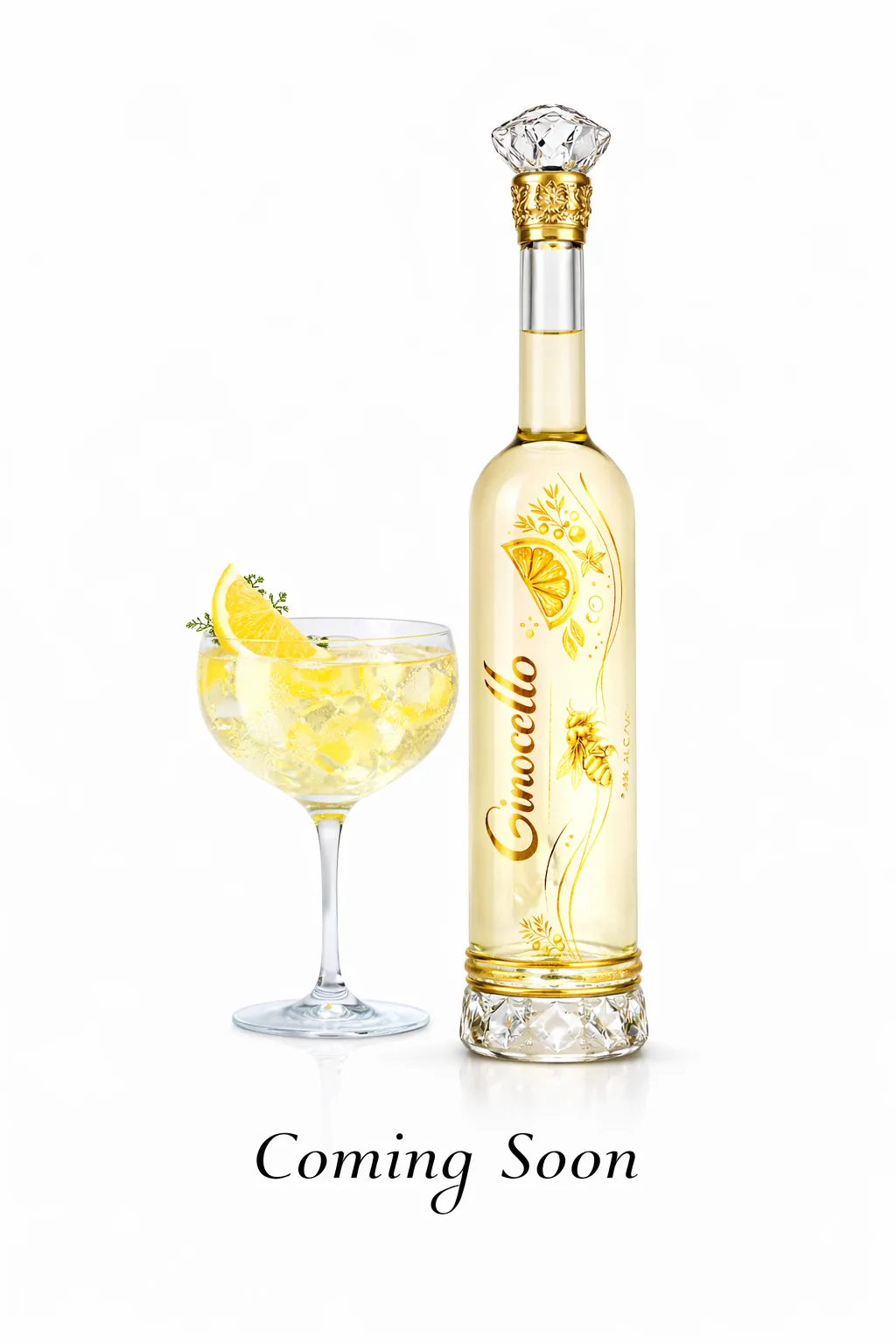
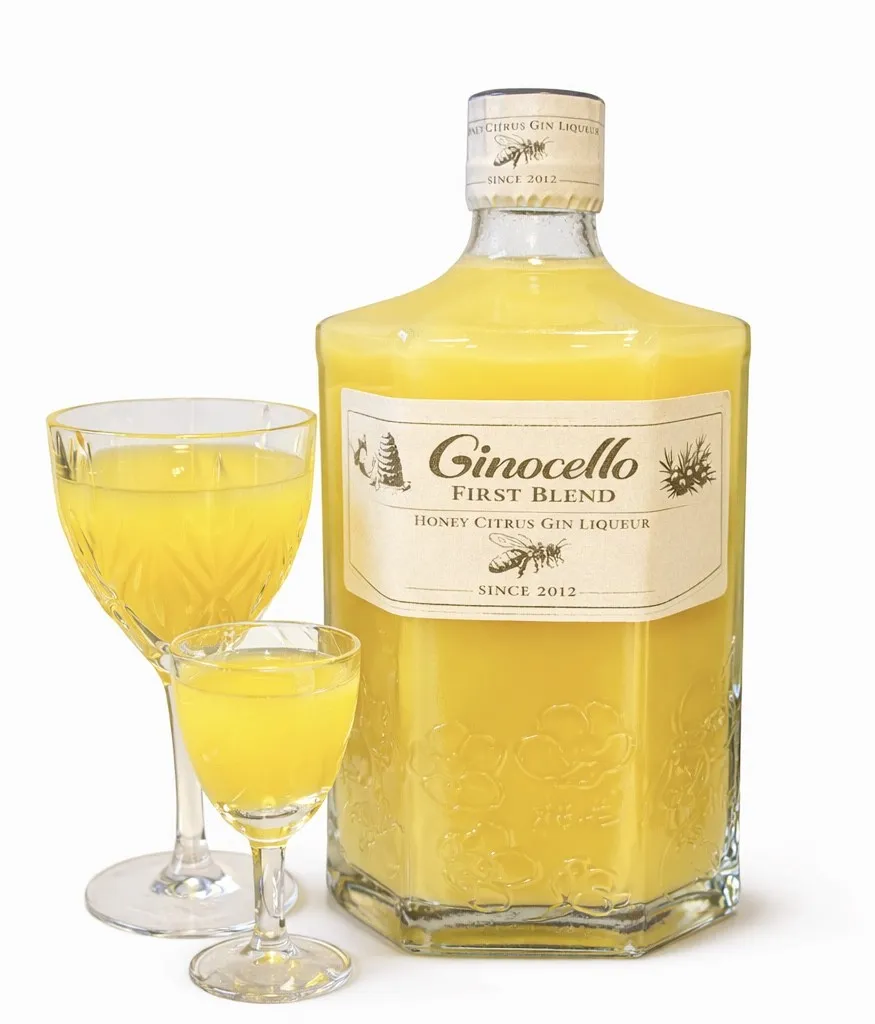
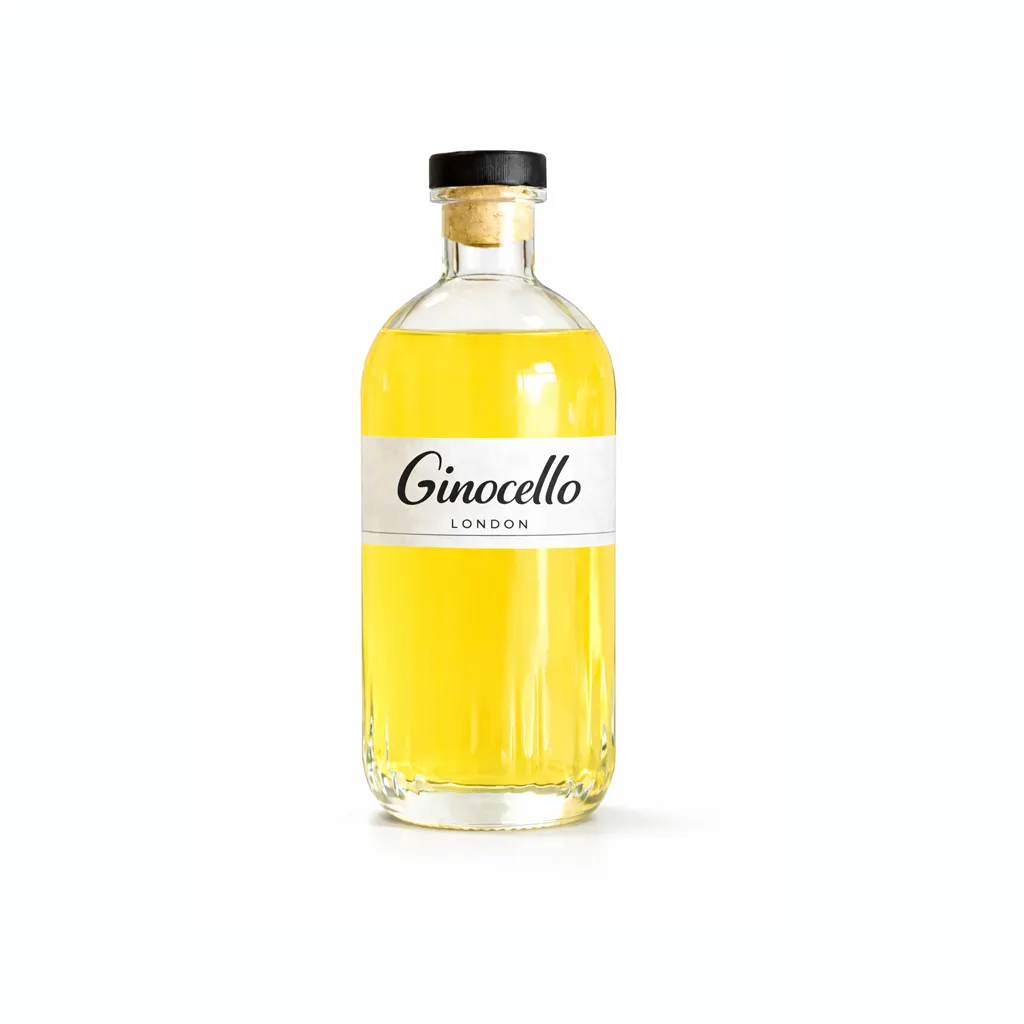
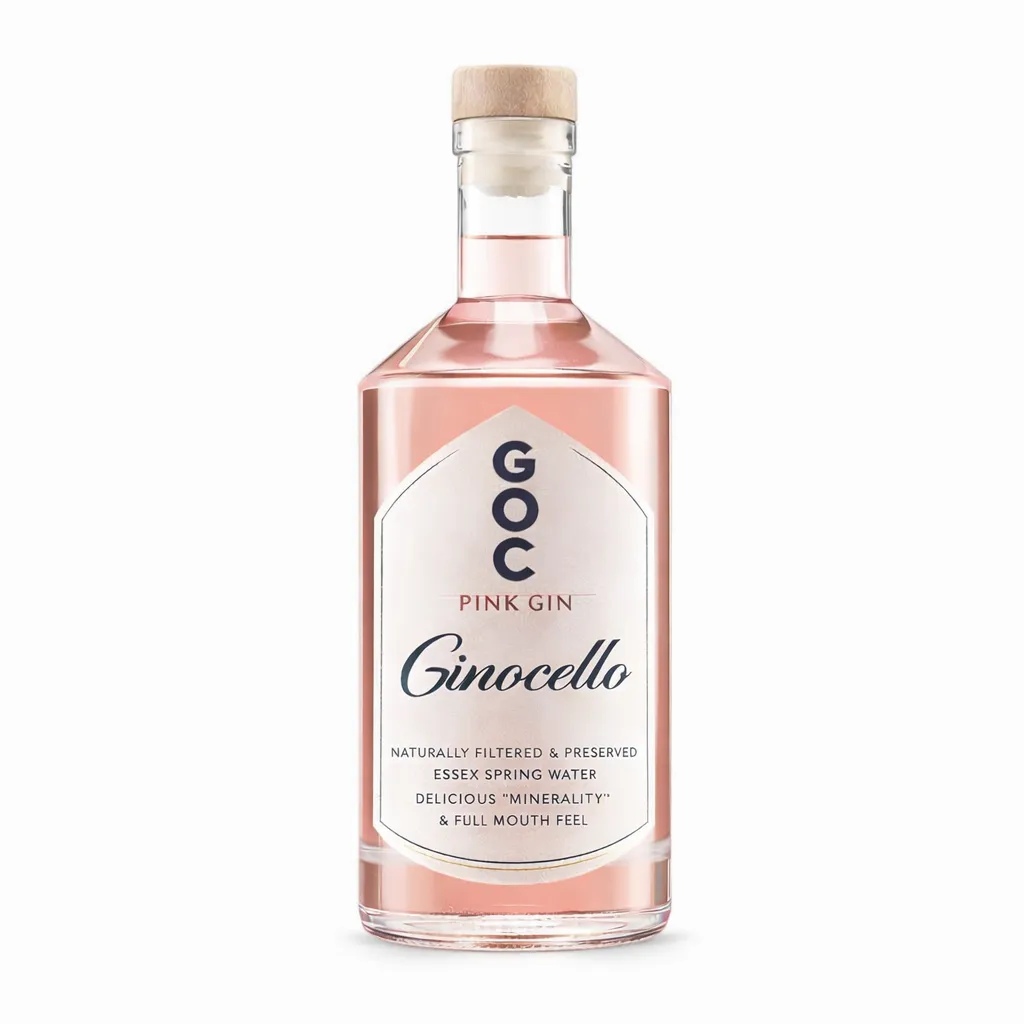
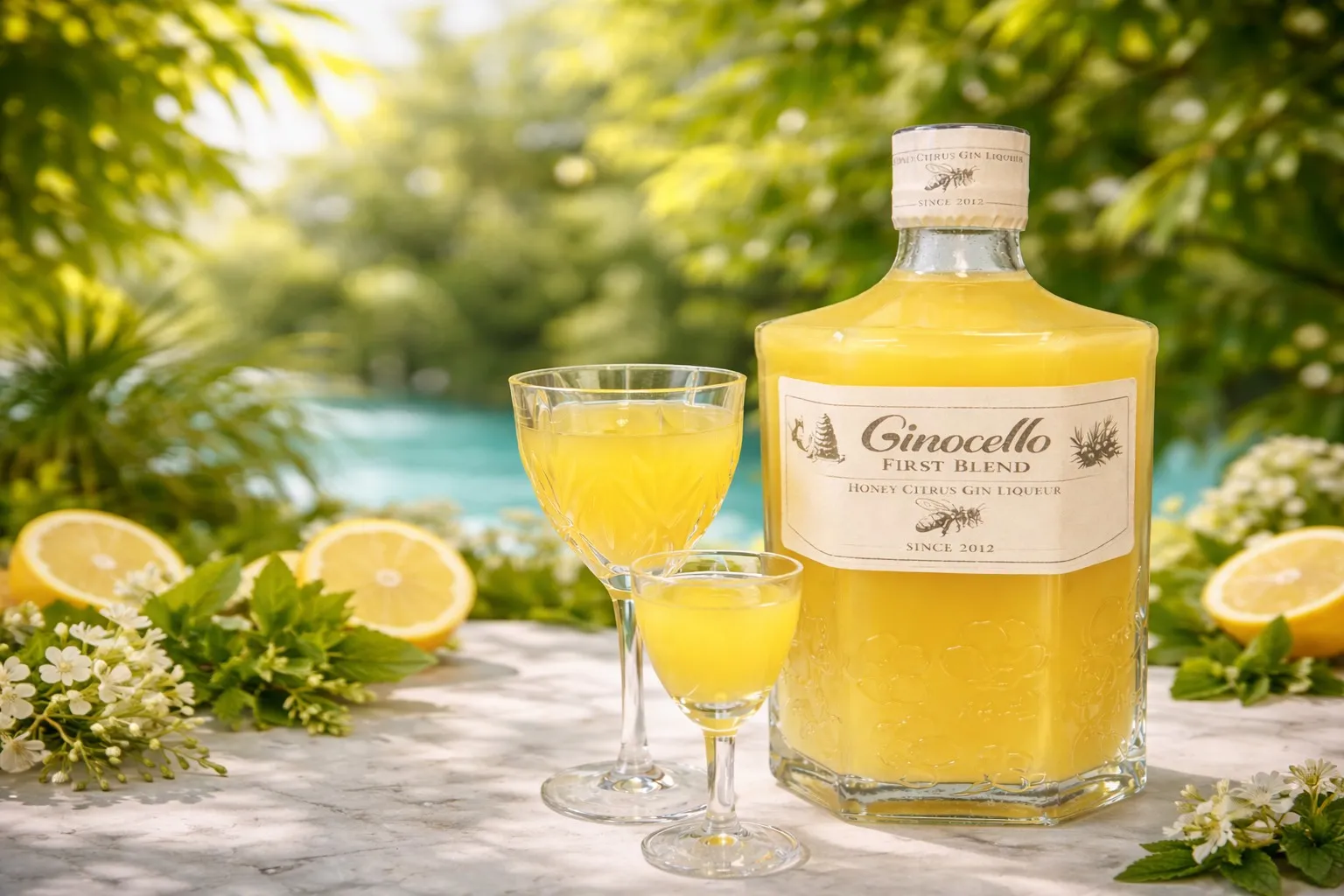
Ginocello liqueur is a gin-based citrus liqueur. It combines the botanical backbone of gin with bright citrus flavours and gentle sweetness to create a smooth, aromatic spirit designed for sipping, spritzing, and light mixing.
Unlike traditional gin, which is dry and high in alcohol, Ginocello liqueur is:
-
Lower in alcohol
-
Softer on the palate
-
Citrus-led
-
Easy to enjoy on its own or in simple serves
Ginocello liqueur sits comfortably between gin, aperitif-style drinks, and citrus liqueurs, making it both familiar and refreshingly different.
Why Ginocello Liqueur Is Not Just “Flavoured Gin”
While Ginocello liqueur contains gin botanicals, it is not simply flavoured gin.
Flavoured gins are typically:
-
Dry in style
-
Bottled at full gin strength (37.5% ABV or higher)
-
Designed mainly for mixing
Ginocello liqueur, by contrast, is:
-
Lower in alcohol (often around 18–25% ABV)
-
Naturally sweetened
-
Designed for sipping as well as mixing
-
Balanced rather than sharp
This difference in intention is what defines Ginocello as a liqueur rather than a flavoured spirit.
The Origins and Meaning of Ginocello
The name Ginocello reflects the drink’s identity as a gin-based citrus liqueur.
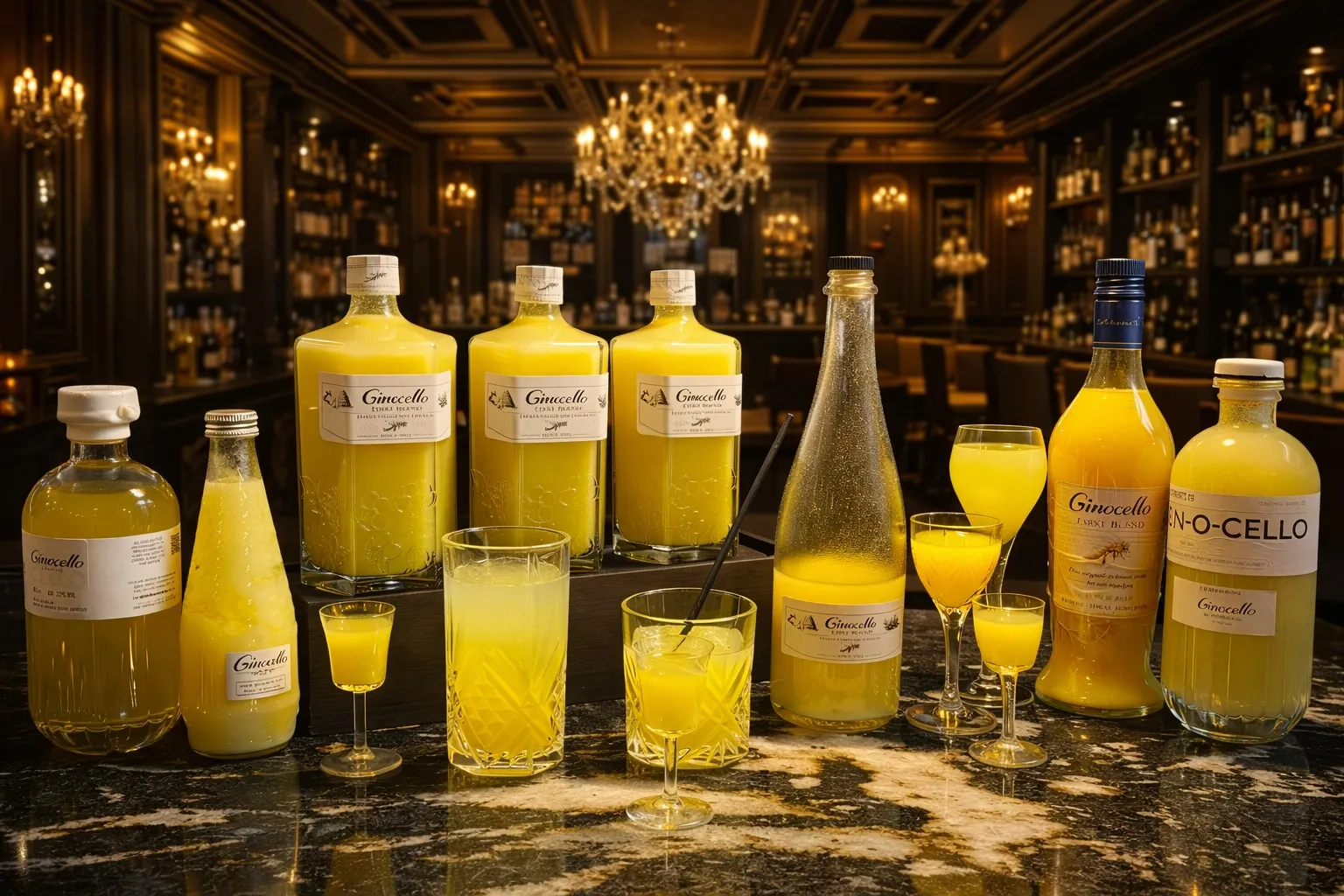
It has also led to a number of spelling variations such as:
-
Gin Cello
-
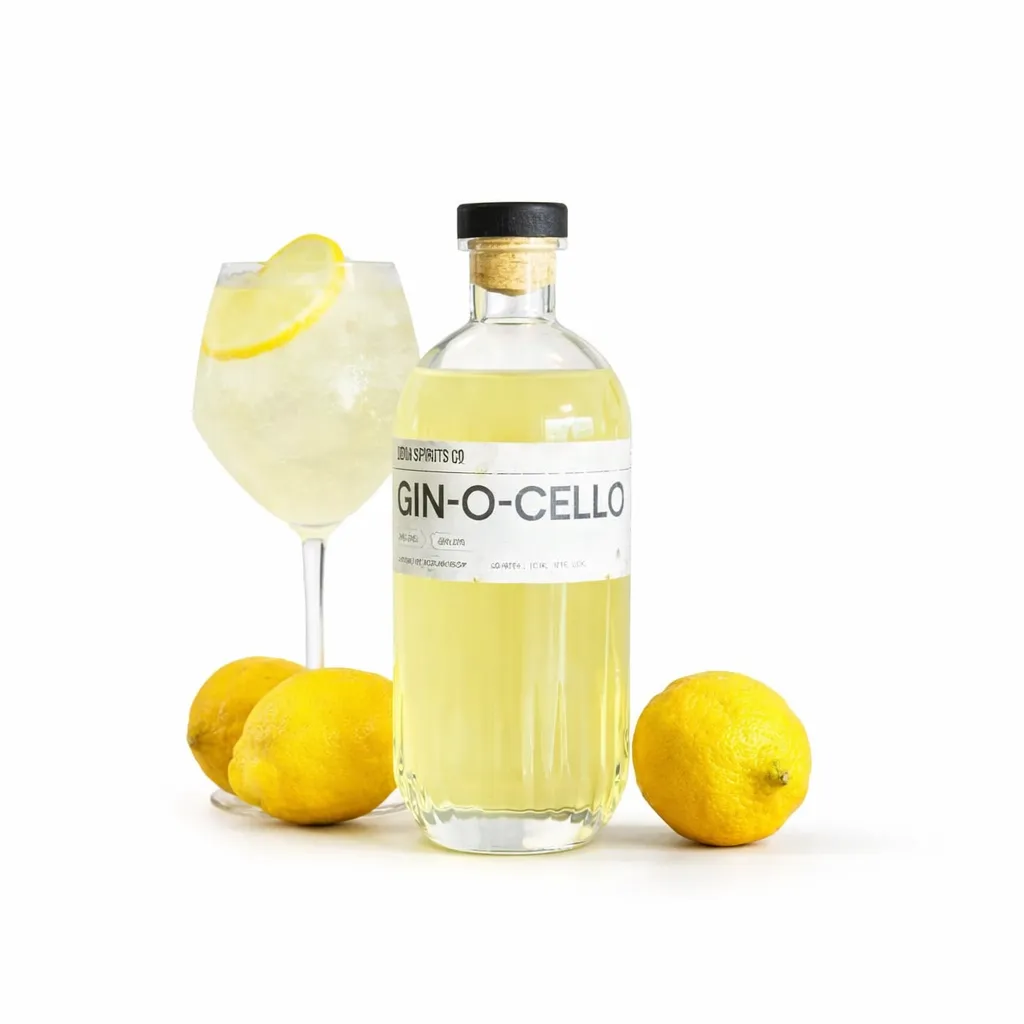
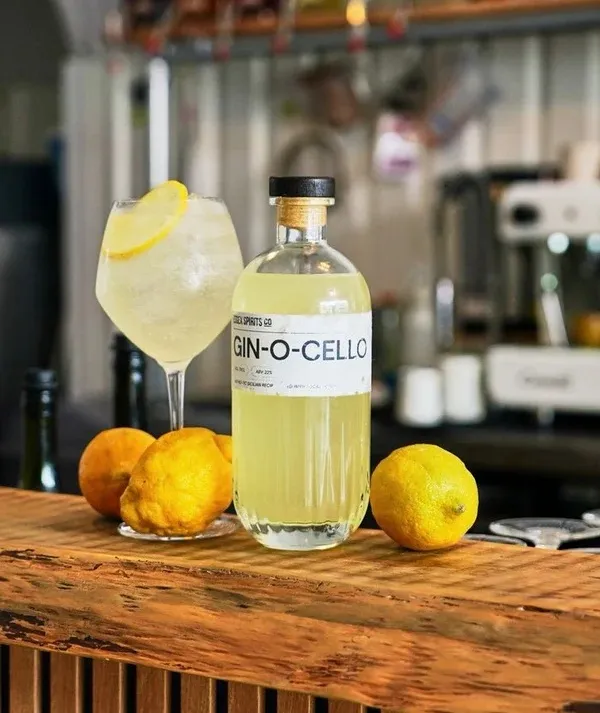
Gin-O-Cello
-
Gincello
-
Ginoncello
-
Ginorcello
All of these terms refer to the same style of drink. The variation comes from spoken language rather than from different products. In essence, Ginocello liqueur remains the correct and primary name.
The Botanical Foundation of Ginocello Liqueur
The defining feature of Ginocello liqueur is its botanical base. While recipes vary, most quality Ginocello liqueurs include:
-
Juniper berries (the foundation of gin)
-
Coriander seed
-
Angelica root
-
Citrus peels such as lemon and orange
-
Additional botanical elements such as florals, teas, or gentle spices
These botanicals provide structure and complexity, ensuring Ginocello retains a clear connection to gin while allowing citrus flavours to shine.
Citrus at the Heart of Ginocello
Citrus plays a central role in Ginocello liqueur. Fresh lemon and orange peels are commonly used to extract natural oils that give the drink its vibrant aroma and flavour.
Citrus contributes:
-
Freshness
-
Bright acidity
-
Aromatic lift
-
Balance against sweetness
The result is a liqueur that feels refreshing rather than heavy, even with natural sweetness present.
How Ginocello Liqueur Is Made
Although production methods differ by producer, the general process for making Ginocello liqueur includes several key steps:
1. Base Spirit Preparation
A gin or British grain spirit is prepared with classic gin botanicals.
2. Citrus Infusion
Fresh citrus peels are macerated to extract essential oils and flavour.
3. Sweetening
Natural sweeteners such as honey or sugar are added to soften acidity and bitterness.
4. Resting and Blending
The spirit is rested so flavours can integrate smoothly and achieve balance.
5. Bottling
Ginocello liqueur is bottled at a lower ABV to preserve smoothness and drinkability.
This process creates a refined spirit that is expressive yet easy to enjoy.
Alcohol Content and Strength
Most Ginocello liqueurs are bottled between:
-
18% and 25% ABV
This makes Ginocello:
-
Stronger than wine or prosecco
-
Lighter than traditional gin or vodka
This moderate strength is a major reason for Ginocello’s popularity, as it allows for longer serves and relaxed drinking.
Taste Profile of Ginocello Liqueur
Ginocello liqueur is typically described as:
-
Citrus-forward
-
Smooth
-
Gently sweet
-
Aromatic
-
Botanically balanced
Rather than sharp or overpowering, it offers a rounded flavour profile that appeals to a wide range of palates.
Ginocello Liqueur vs Gin
Although related, Ginocello liqueur and gin are distinct.
Gin:
-
Dry
-
High in alcohol
-
Juniper-led
-
Primarily used for mixing
Ginocello Liqueur:
-
Softer and sweeter
-
Lower alcohol
-
Citrus-led
-
Designed for sipping and spritzing
This difference makes Ginocello more approachable for casual drinkers and social occasions.
Ginocello Liqueur vs Limoncello
Despite similar naming, Ginocello liqueur and limoncello are not the same.
-
Limoncello is made with neutral spirit, lemon peel, sugar, and water
-
Ginocello liqueur includes gin botanicals, particularly juniper
Those botanicals give Ginocello greater complexity and depth, setting it apart from traditional citrus liqueurs.
How to Drink Ginocello Liqueur
One of Ginocello’s strengths is its versatility.
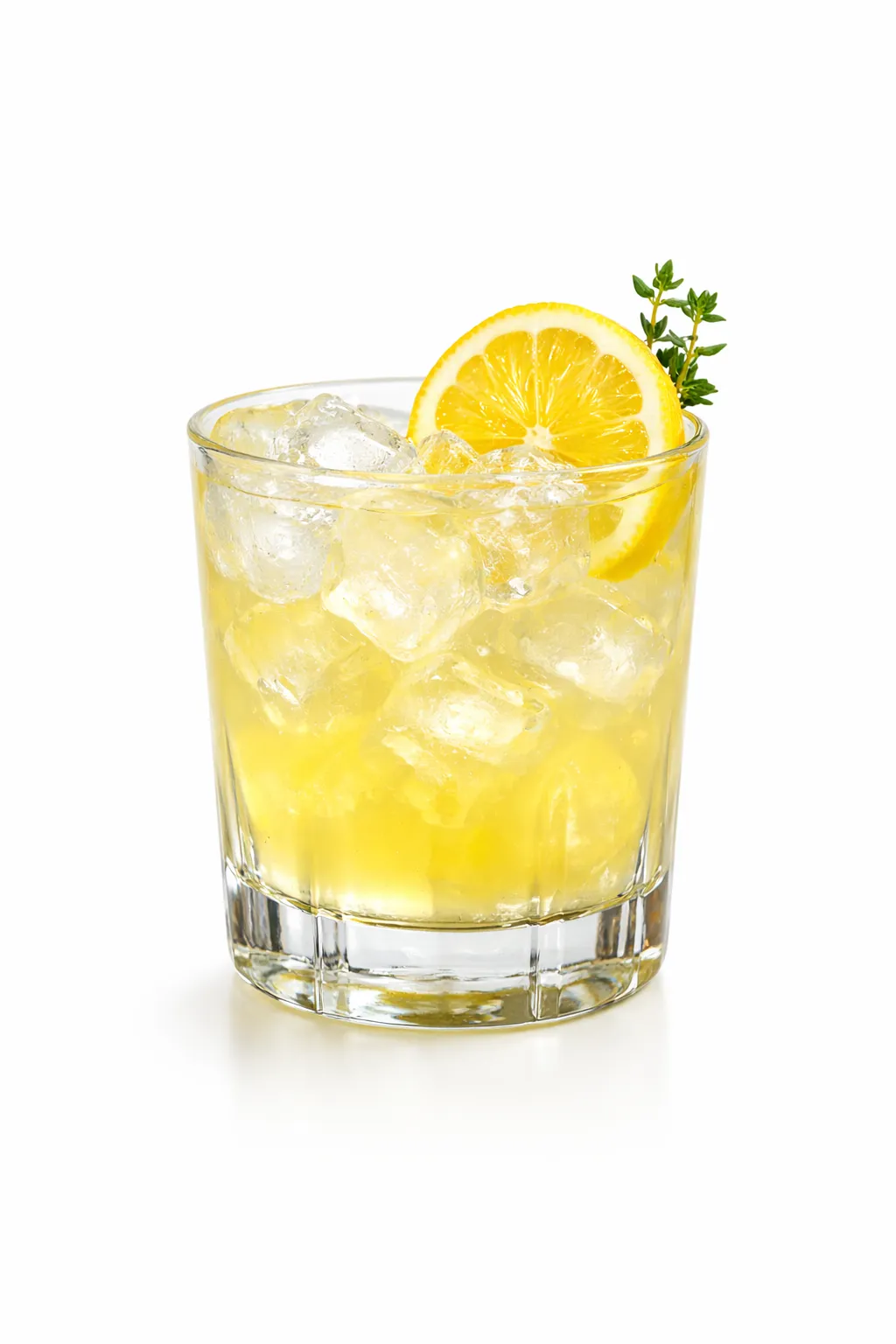
Served Chilled or Over Ice
This highlights citrus aromas and botanical notes.
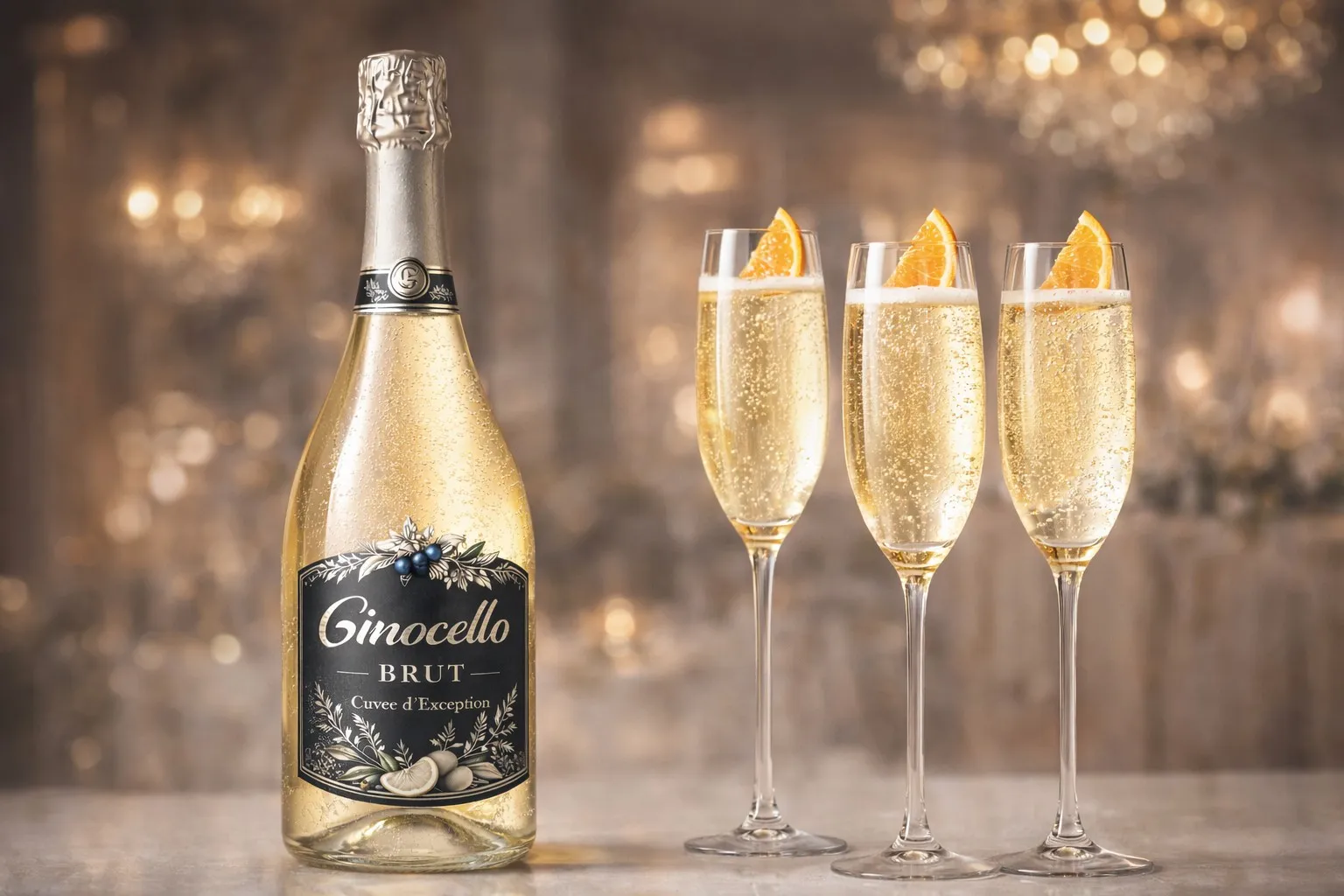
Ginocello Spritz
A popular modern serve:
-
Ginocello liqueur
-
Sparkling wine or prosecco
-
Soda water
-
Citrus garnish
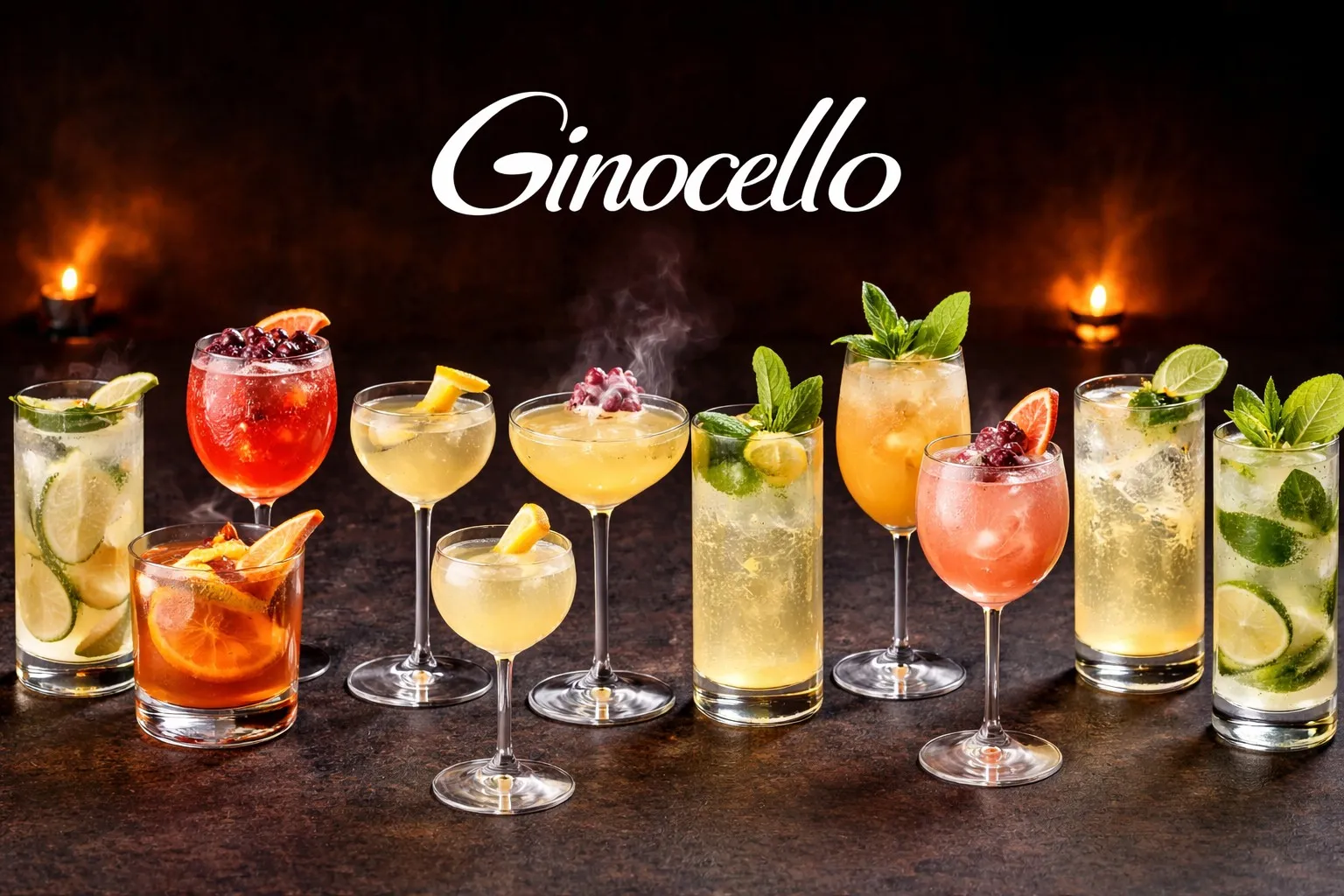
Cocktails
Ginocello works well in:
-
Citrus sours
-
Light martini variations
-
Collins-style drinks
With Food
Ginocello pairs beautifully with:
-
Cheese boards
-
Light desserts
-
Fresh, summery dishes
Ginocello as an Aperitif
Ginocello liqueur functions exceptionally well as an aperitif-style drink.
Its citrus brightness stimulates the palate, while its moderate strength ensures it doesn’t overwhelm before a meal. This makes it ideal for pre-dinner drinking and social gatherings.
Ginocello Liqueur in England
In England, consumer preferences are shifting toward:
-
Lower-ABV drinks
-
Flavour-forward spirits
-
Versatile social serves
Ginocello liqueur fits perfectly into this trend, offering a balance between tradition and modern taste.
Why Ginocello Liqueur Is Growing in Popularity
Several factors are driving the rise of Ginocello:
-
Interest in citrus and botanical flavours
-
Demand for lighter spirits
-
Growth of spritz and aperitif culture
-
Desire for premium yet approachable drinks
Ginocello offers familiarity without repetition, making it appealing to both gin drinkers and those seeking something new.
Is Ginocello Liqueur a Premium Product?
Most Ginocello liqueurs position themselves as premium but accessible.
Premium indicators often include:
-
Natural ingredients
-
Thoughtful botanical selection
-
Careful production
-
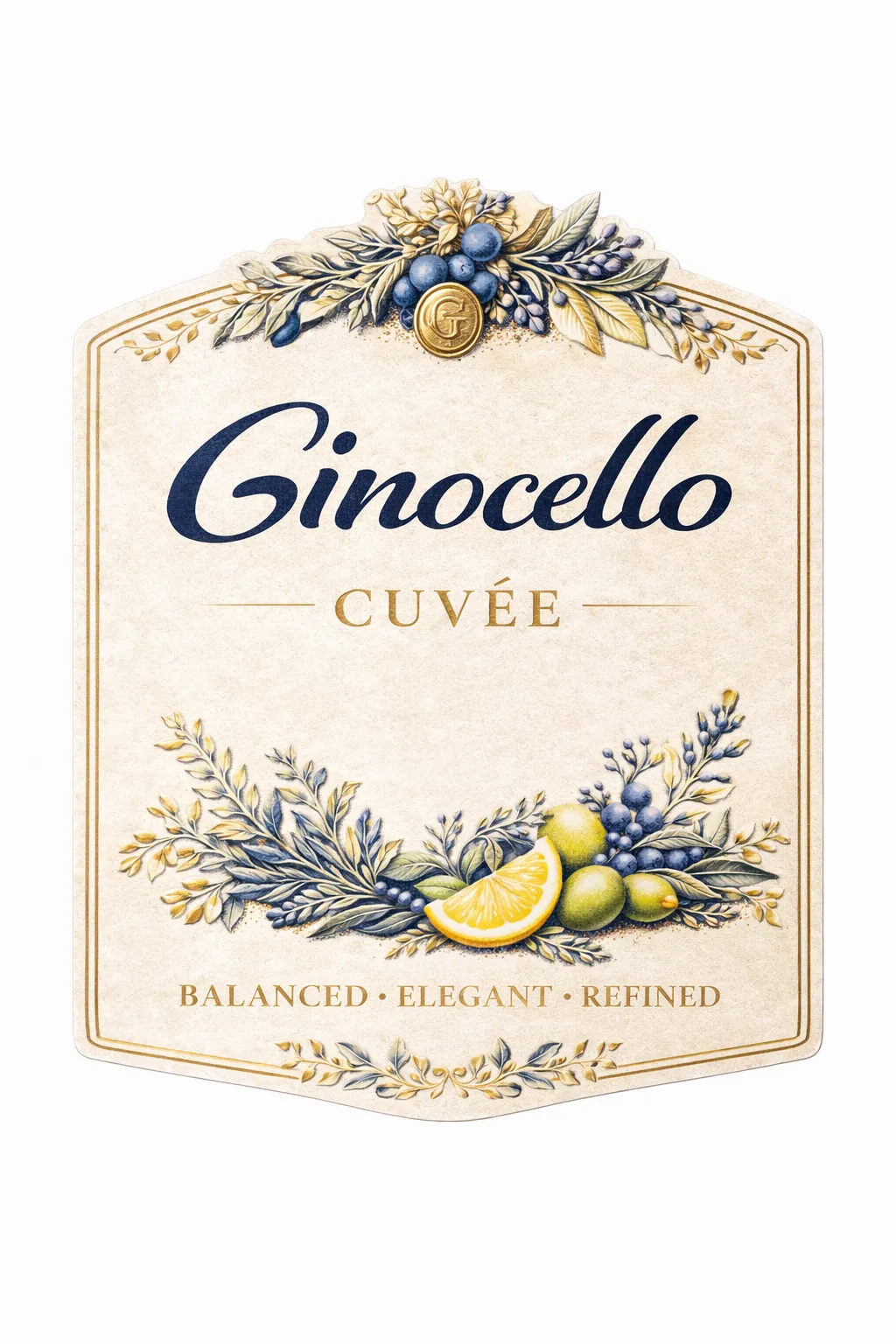
Elegant packaging
This positioning makes Ginocello suitable for gifting, entertaining, and on-trade use.
Sustainability and Modern Drinking
Modern drinkers increasingly value:
-
Conscious alcohol consumption
-
Balanced flavours
-
Quality over strength
Ginocello liqueur aligns well with these priorities, making it a natural fit for contemporary drinking habits.
The Future of Ginocello Liqueur
As awareness grows, Ginocello liqueur is likely to expand into:
-
Sparkling expressions
-
New citrus and botanical profiles
-
Wider availability in bars and retailers
Its adaptability suggests long-term relevance rather than a short-lived trend.
Final Thoughts: Why Ginocello Liqueur Matters
Ginocello liqueur represents a modern evolution of gin drinking. By combining botanical complexity with citrus brightness and gentle sweetness, it offers a refined alternative to both traditional gin and classic liqueurs.
Lower in alcohol yet rich in flavour, Ginocello is designed for today’s drinker — social, flavour-focused, and open to new experiences.
Whether enjoyed chilled, in a spritz, or as part of a simple cocktail, Ginocello liqueur delivers balance, versatility, and modern appeal in every glass.